Standing seam roofing is the metal roof system contractors point to first when a homeowner wants the fewest leaks and the longest lifespan money can buy. Concealed fasteners, raised interlocking seams, and a service life that can stretch past 50 years set it apart from every other roofing material on the market, including other metal panel types. This guide breaks down how it works, what it costs in 2026, and whether it's worth the investment for your roof.
What Is a Standing Seam Metal Roof?
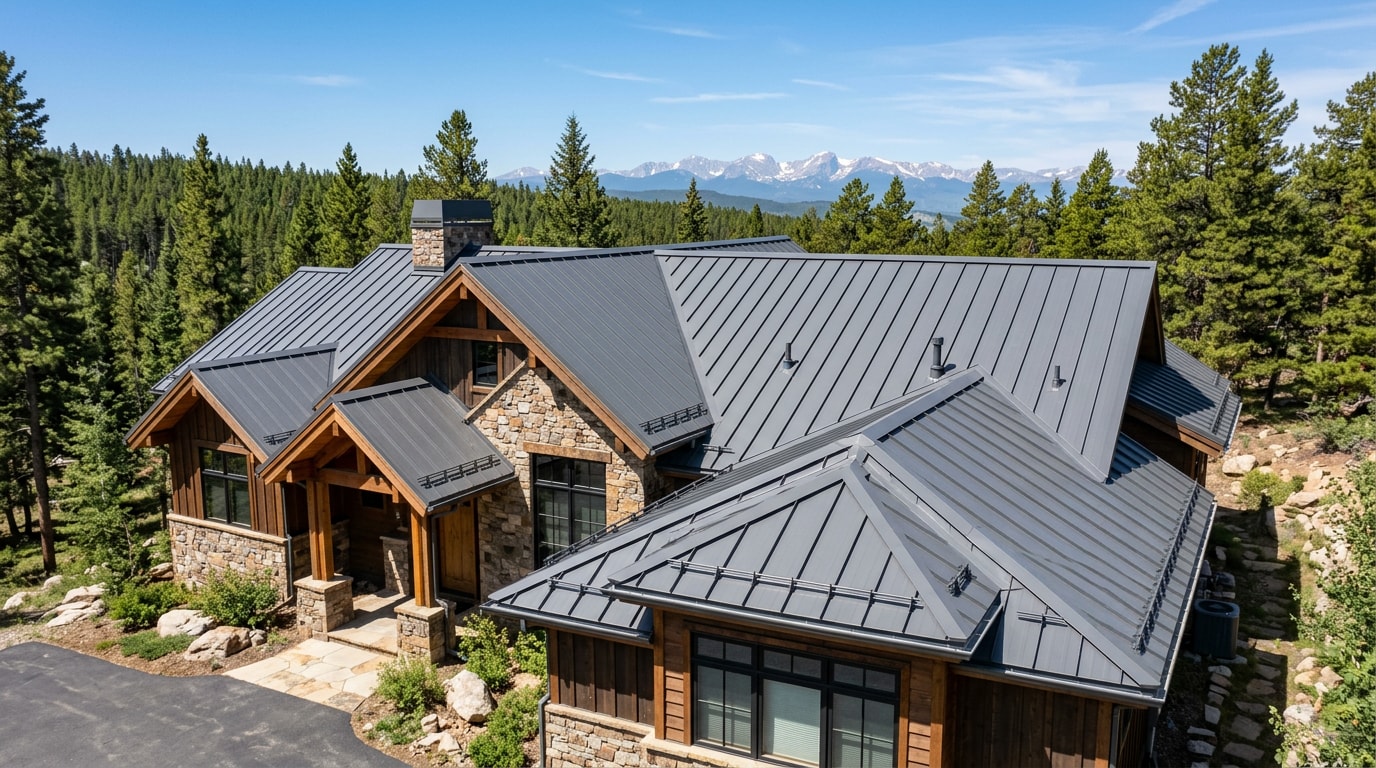
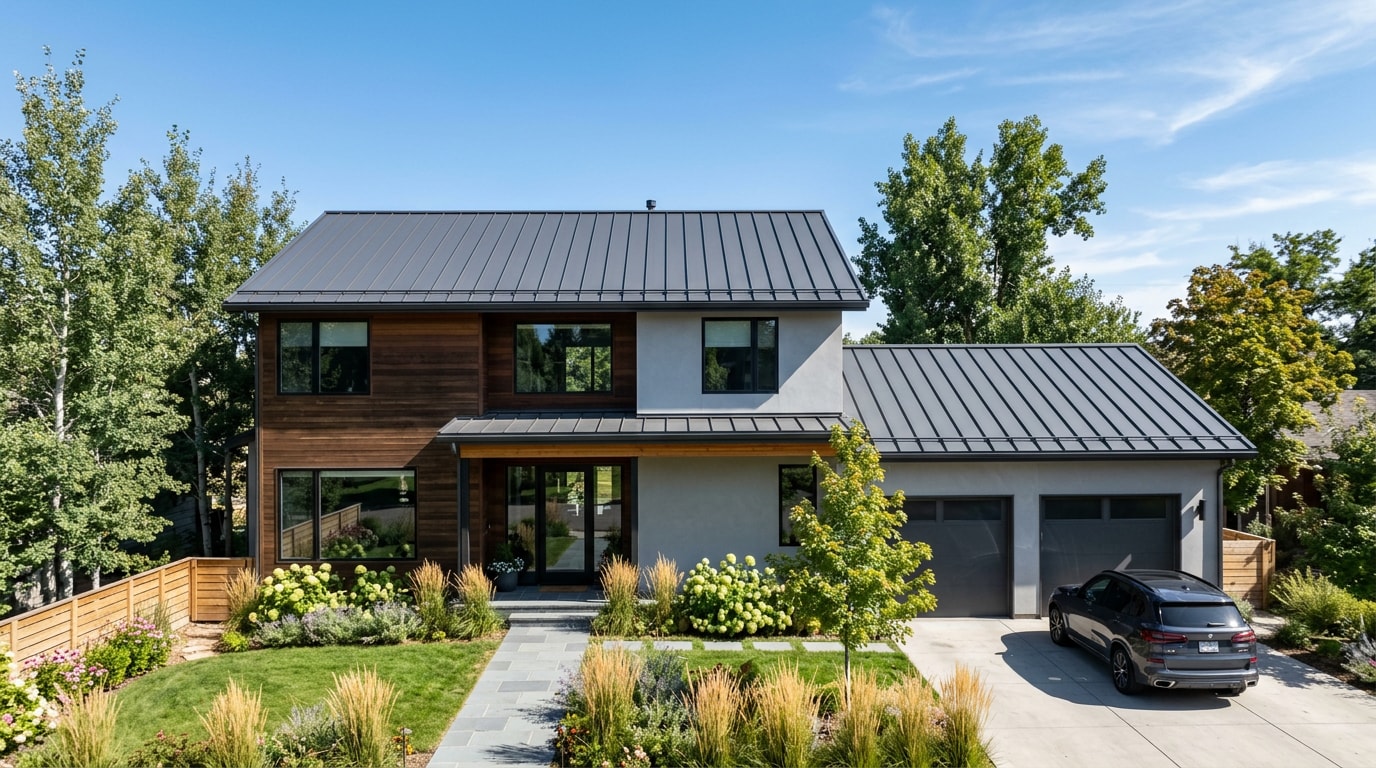
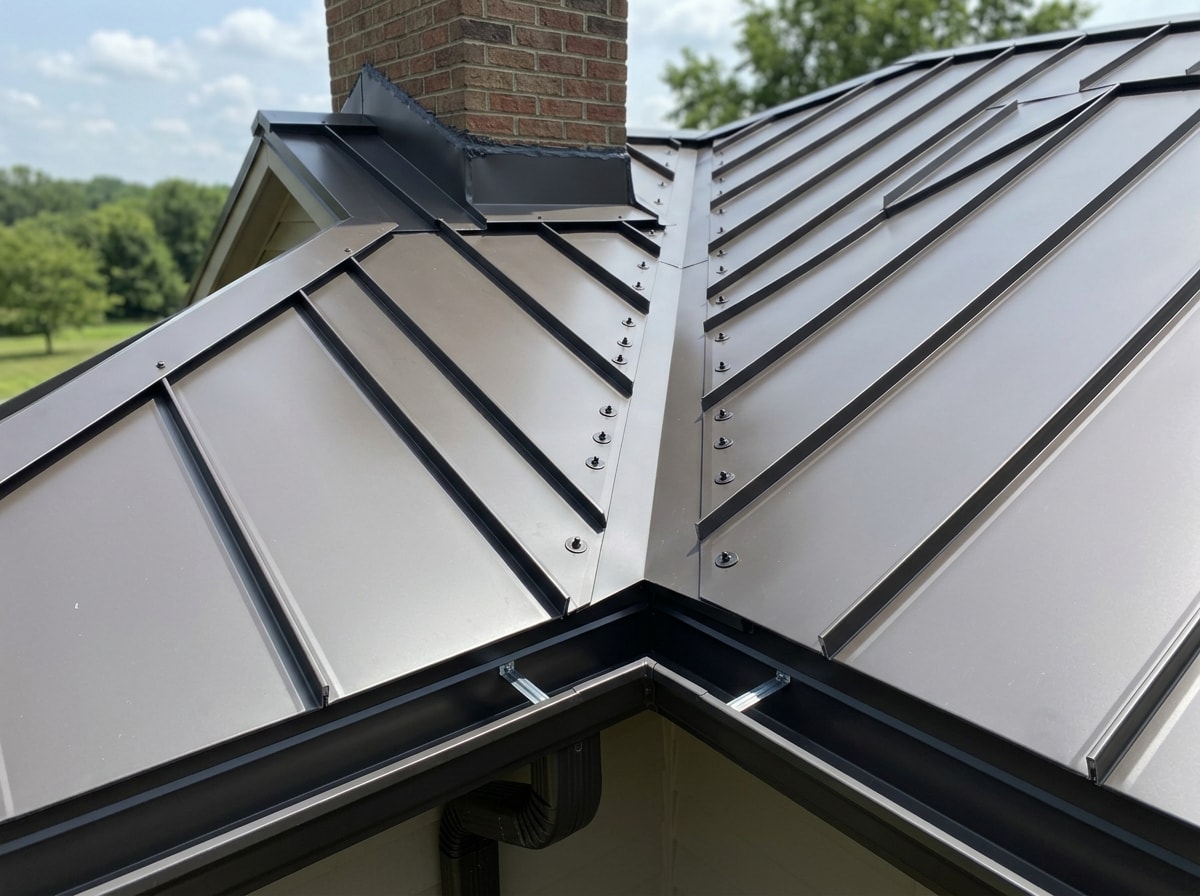
A standing seam metal roof is a system of vertical metal panels connected by raised, interlocking seams that run continuously from the ridge down to the eave. Instead of screws punched through the face of each panel, the fasteners sit hidden underneath, clipped into the seam itself.
That raised seam is the defining feature of the whole category. It typically stands about 1 to 2 inches tall and creates a mechanical or snap-together joint that sheds water instead of relying on caulk or gaskets to keep it out. This is what separates standing seam from exposed-fastener metal roofing, where screws are visible on the flat part of each panel.
Because of the concealed-fastener design, higher material grades, and more precise fabrication, standing seam panels are generally considered the premium tier of metal roofing. Homeowners who want a long-term roofing investment, not just the cheapest option available, usually land here. If you're weighing standing seam against other systems for your home, our roofing contractor team can walk through the options with you.
Why Concealed Fasteners Matter
Exposed screws are one of the most common sources of roof leaks over time. They back out, corrode, and create small gaps where water can track underneath the panel. Standing seam's hidden clip system avoids that failure point entirely by keeping every fastener tucked inside a watertight seam.
Exposed-fastener panels rely on a rubber washer under each screw head to seal the hole. Those washers degrade with UV exposure and temperature swings, usually well before the metal panel itself wears out. Once a washer fails, water has a direct path into the deck.
Standing seam's concealed clips remove that vulnerability. The panels float over the clips, which also lets the metal expand and contract with temperature changes without stressing the fastener points, one of the main reasons standing seam roofs tend to outlast screw-down systems by decades.
Types of Standing Seam Metal Panels
"Standing seam" isn't a single product. It's a category that covers several different seaming and attachment methods. Each type handles roof pitch, wind load, and budget differently, so the right choice depends on your roof's slope and climate exposure.
Snap-Lock Panels
Snap-lock panels are standing seam panels with pre-formed male and female edges that click together over concealed clips without any field seaming tools. Installers press one panel edge into the next, and the seam locks by hand or with light pressure, which makes installation noticeably faster than other standing seam methods.
Because the seam relies on a mechanical snap rather than a crimped fold, snap-lock panels generally need a roof pitch of 3:12 or steeper to perform reliably. Below that slope, water can sit against the seam longer and find its way through smaller gaps.
Snap-lock systems also tend to carry slightly lower wind-uplift ratings than mechanically seamed panels, though quality varies by manufacturer and clip spacing. The tradeoff is speed and cost: snap-lock installs faster and typically costs less per square foot, making it a popular middle-ground choice.
Mechanically Seamed Panels
Mechanically seamed panels use a hand or electric seaming tool to crimp adjoining panel edges together in the field, creating a tighter, more permanent joint than a snap-together seam. This process comes in two forms: single-lock, where the seamer folds the edge 90 degrees, and double-lock, where it folds a full 180 degrees for an even tighter seal.
Double-lock seams are the standard recommendation for low-slope roofing, coastal properties, and anywhere high wind or heavy rain is a regular concern. The extra fold adds labor time and cost, but it also adds real performance margin.
| Panel Type | Typical Field Minimum Pitch | Relative Cost | Wind Rating |
|---|---|---|---|
| Snap-Lock | 3:12 | $$ | Good |
| Mechanical Seam (Single-Lock) | 2:12 to 3:12 | $$$ | Better |
| Mechanical Seam (Double-Lock) | Below 3:12 with proper detailing | $$$$ | Best |
| Nail-Hemmed | 3:12 | $$$ | Good |
The pitches above reflect common manufacturer and field guidance, not the legal minimum. The minimum slope for standing-seam roof systems shall be one-quarter unit vertical in 12 units horizontal (2-percent slope) under the International Residential Code, but most manufacturers still recommend steeper slopes for real-world water performance and warranty coverage. Always confirm both code and warranty requirements before finalizing a panel choice.
Nail-Hemmed Panels
Nail-hemmed panels use a folded, hidden channel along one edge of the panel that conceals the fastener while still allowing a hand-driven or nailed attachment method. This approach is most common with softer metals like aluminum or stainless steel, where a crimped mechanical seam isn't always practical.
Exposed-Fastener Panels
Exposed-fastener panels are worth mentioning only as a comparison point. Technically, they're not true standing seam roofing since the screws sit visibly on the panel face rather than hidden in a seam. They're a common, lower-cost alternative on barns, sheds, and budget-conscious projects, but the maintenance tradeoff favors standing seam over time.
Standing Seam vs. Other Roofing Types
Homeowners rarely choose standing seam in a vacuum. Here's how it stacks up against the two systems it's most often compared against.
| Feature | Standing Seam | Exposed-Fastener Metal | Asphalt Shingles |
|---|---|---|---|
| Fasteners | Fully concealed | Exposed, gasketed screws | Nailed under the shingle |
| Typical Lifespan | 40 to 70 years | 20 to 30 years | 15 to 25 years |
| Approx. Installed Cost/Sq Ft (2026) | $9 to $30 | $5 to $9 | $4 to $7 |
| Maintenance | Low | Moderate, washer checks | Moderate, granule loss |
| Best For | Long-term ownership, hail or wind zones | Barns, budget builds | Lower upfront cost |
Pros and Cons of Standing Seam Metal Roofing
Like any roofing system, standing seam has real strengths and a few genuine drawbacks. Here's a balanced look at both before getting into cost.
Pros:
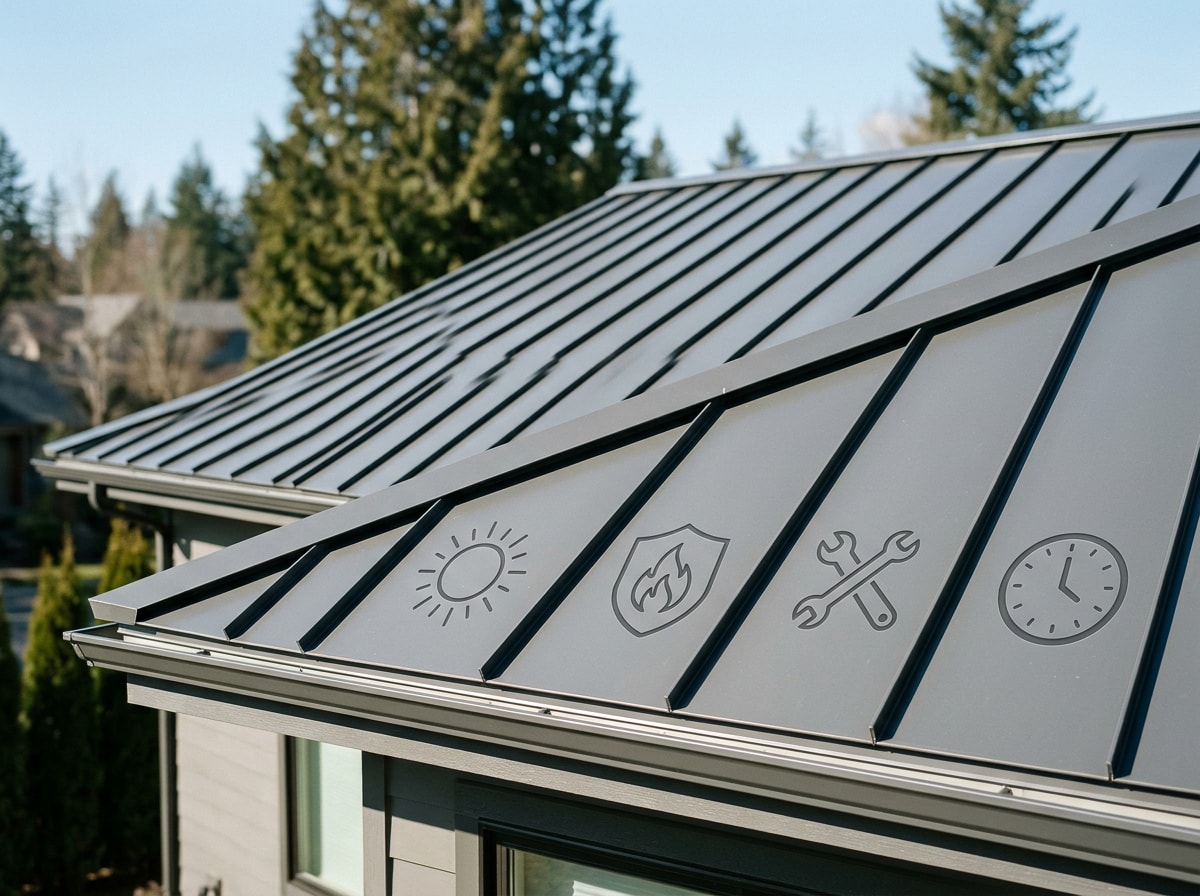
- Reflective panel finishes lower cooling costs by bouncing back solar heat instead of absorbing it.
Cool roofs have several benefits for both building owners and the environment, including reducing building air conditioning costs and reducing the strain on the electrical grid during peak energy demands.
- Most standing seam systems carry a Class A fire resistance rating, the highest available, since metal doesn't burn.
- Fewer exposed fasteners mean fewer potential leak points and less routine upkeep than screw-down alternatives.
- Combined with high-quality coatings and thicker-gauge metal, well-installed standing seam roofs regularly deliver lifespans measured in decades.
Cons:
- Upfront installation cost runs higher than asphalt shingles and most exposed-fastener metal systems, partly because seaming, flashing, and expansion details all require specialized skill.
- Oil canning, a wavy or rippled appearance on flat panel sections, can show up with thinner-gauge steel; a heavier gauge or a striated profile reduces the effect.
- Rain noise is a common concern, though solid decking, synthetic underlayment, and attic insulation typically bring sound levels close to other roof types.
- Hail can dent softer metals like aluminum, so impact-resistant coatings or thicker gauges are worth discussing in hail-prone regions.
- Repairs are less forgiving than shingles. A damaged panel usually needs full replacement rather than a simple patch.
How Much Does a Standing Seam Metal Roof Cost in 2026?
Pricing for standing seam roofing varies quite a bit depending on material, seam type, and how complex the roof itself is. A simple gable roof in steel will price very differently than a multi-valley roof finished in copper.
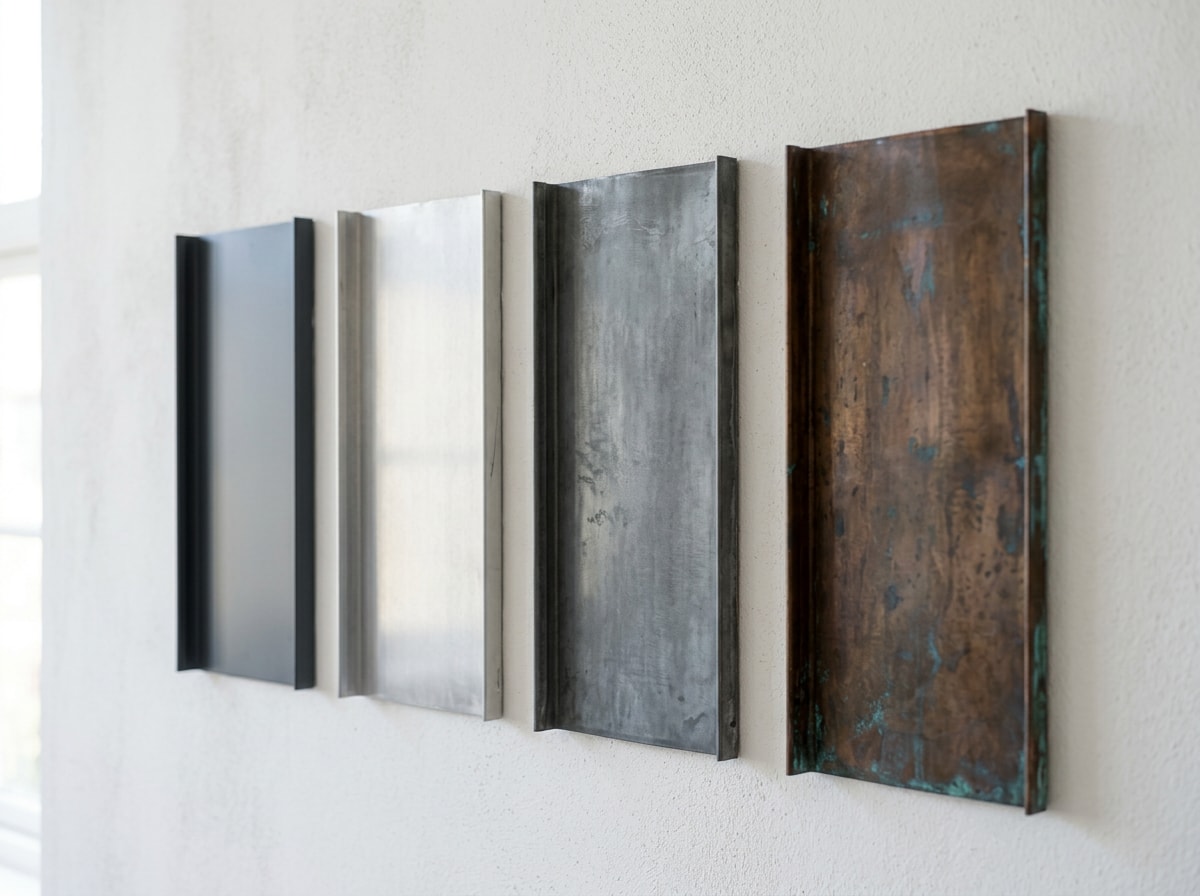
Four factors drive most of the price variation: the metal itself, the seam system, the roof's complexity and pitch, and the warranty or brand tier you choose. Steel sits at the affordable end, while zinc and copper command premium pricing due to material cost and installation skill required.
Roof complexity matters as much as material. Steep pitches, multiple valleys, dormers, and chimneys all add labor time, seaming work, and flashing detail, which pushes installation cost up regardless of panel choice.
| Material | Approx. Cost per Sq. Ft. (Installed, 2026) |
|---|---|
| Steel | $9 to $14 |
| Aluminum | $10 to $16 |
| Zinc | $18 to $25 |
| Copper | $22 to $30 |
These ranges shift with market conditions and regional labor rates, so treat them as planning figures rather than fixed quotes. For a deeper breakdown of pricing across roofing materials, see our roofing cost per square guide. Installation quality affects seam integrity as much as material choice, so confirm your roof installation team has standing seam-specific experience, not just general metal roofing background.
Standing Seam Roofing in Colorado's Hail and Snow Climate
Roof performance in Colorado isn't the same conversation as roof performance in a mild coastal market, and that's worth calling out directly. Although Florida has the most thunderstorms, Nebraska, Colorado, and Wyoming usually have the most hailstorms, and the area where these three states meet, known as "hail alley," averages seven to nine hail days per year. The Front Range sits inside that corridor.
That matters for panel selection. A raised standing seam profile sheds hail differently than a granulated shingle surface, and thicker-gauge steel or aluminum with a Class 4 impact rating holds up better to repeat storms across a roof's lifetime. Snow adds a second variable: smooth painted panels shed snow fast, so entries, walkways, and gutters below a standing seam roof often need snow retention systems to prevent sudden slides.
Crestline Exteriors installs and inspects standing seam systems across the Denver metro, including Denver and Castle Rock, where hail season and heavy spring snow can stress the same roof within a matter of weeks.
How to Maintain a Standing Seam Metal Roof
Standing seam roofing is low-maintenance, not maintenance-free. A short annual routine keeps small issues from becoming expensive ones.
- Do a visual inspection each spring or fall, checking for loose trim, denting, or debris buildup along the panels.
- Clean gutters and downspouts regularly, since clogged drainage can force water to pool against the roof edge longer than it should.
- Check sealant and flashing around chimneys, vents, and skylights. These penetration points are the most likely spots for wear over time, even on an otherwise durable roof.
- If any exposed-fastener trim pieces were used around edges or accessories, confirm those screws are still snug and haven't started to back out.
A professional roof inspection once a year catches trim and flashing wear before it turns into a leak.
Is a Standing Seam Metal Roof Worth It?
For most homeowners planning to stay in their home long-term, standing seam roofing is worth the higher upfront cost. A 40- to 70-year lifespan, minimal maintenance, and potential insurance savings on impact-resistant materials typically outweigh the price difference versus asphalt shingles.
The clearest way to see this is cost per year of service rather than sticker price alone. For example, a $12,000 asphalt roof lasting 20 years works out to roughly $600 per year. A $24,000 standing seam roof lasting 50 years works out to about $480 per year, cheaper annually despite costing twice as much upfront.
Insurance is part of the equation too. Depending on your location and provider, a quality metal roof may reduce homeowner's insurance premiums by 5% to 35% , though the discount is never automatic and varies by carrier and state.
At Crestline Exteriors, we walk homeowners through this cost-per-year math before recommending any roofing system. If you're comparing a standing seam upgrade against a straight roof replacement in asphalt, get a free estimate and compare real numbers for your roof before deciding.
FAQ
How Long Does a Standing Seam Metal Roof Last?
Most standing seam metal roofs last 40 to 70 years, depending on the material and installation quality. Steel and aluminum tend to fall in the lower-to-middle end of that range, while copper and zinc roofs can exceed 70 years with proper care.
How Much Does a Standing Seam Metal Roof Cost Per Square Foot?
Installed pricing typically runs $9 to $16 per square foot for steel and aluminum, and $18 to $30 per square foot for zinc or copper, depending on roof complexity, seam type, and regional labor rates.
What Is the Minimum Roof Pitch for Standing Seam Metal Roofing?
Code allows standing seam systems as low as 1/4:12, but most manufacturers and installers recommend at least 2:12 to 3:12 for reliable field performance, depending on the seam type and detailing used.
Can You Walk on a Standing Seam Metal Roof?
Yes, carefully. Step on the flat pan of the panel near structural supports, avoid the raised seams, and wear soft-soled shoes. Some manufacturer warranties do restrict foot traffic, so it's worth checking before walking the roof regularly.
Is a Standing Seam Metal Roof Noisy in the Rain?
Not typically. With solid roof decking, a synthetic underlayment layer, and standard attic insulation, noise levels are comparable to asphalt shingle or tile roofs during rainfall.
Can You Put Solar Panels on a Standing Seam Metal Roof?
Yes. Standing seam is considered one of the best roof types for solar installation. Mounting clamps attach directly to the raised seams, which means zero roof penetrations and no drilled holes to seal or maintain over time.