Searching for residential metal roofing contractors near me usually means weighing two decisions at once: which metal panel system fits your home, and which local crew can install it correctly. Front Range weather, hail, heavy snow load, and wide temperature swings, makes that second decision just as important as the first. This guide covers panel types, 2026 cost ranges, and the vetting questions that separate an experienced metal roofing crew from one still learning on your roof.
Why Local Experience Matters With Residential Metal Roofing Contractors Near Me
Metal roofing takes different tools, seaming techniques, and panel-cutting skill than asphalt work. Experience varies more between contractors here than it does on a standard shingle job.
That gap matters more in Colorado than in milder climates. The Front Range sits inside what meteorologists call "Hail Alley," and the area where Nebraska, Colorado, and Wyoming meet averages seven to nine hail days a year, according to NOAA's National Severe Storms Laboratory. A metal roof installed with the wrong fastening pattern or clip spacing can underperform in exactly the storms it's supposed to resist.
A contractor familiar with metal roofing systems will know how panel choice, underlayment, and fastening method interact with local wind and hail exposure, not just how to cut a panel to length.
How to Vet Residential Metal Roofing Contractors Near Me
Start by confirming any contractor you're considering holds current state or local licensing and can provide proof of insurance before work begins. Reading recent reviews adds context on local experience, and manufacturer certifications from metal panel brands are a solid green flag, since those programs typically require product-specific training.
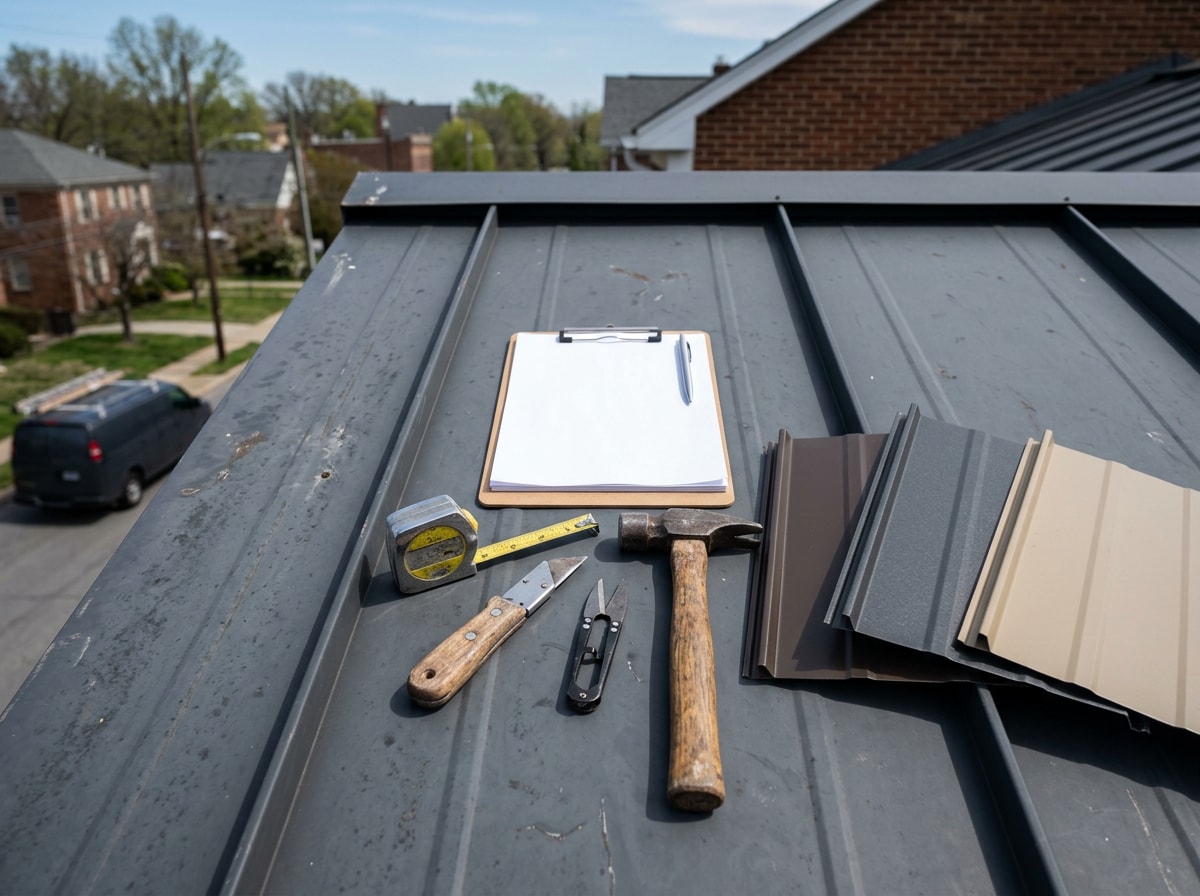
Before hiring, ask every candidate the same set of questions so you can compare answers side by side:
- How many metal roof installations have you completed, and in which panel types?
- What does the warranty cover, materials, workmanship, or both, and for how long?
- What's the realistic project timeline, including weather delays?
- Do you use your own crews or subcontract the installation?
- How do you handle flashing around chimneys, skylights, and valleys on metal systems specifically?
The National Roofing Contractors Association suggests getting three or four written proposals before committing, which makes it easier to compare scope, not just price. If a storm has already damaged your roof, an emergency roof repair service can provide temporary protection while you vet long-term options. A pre-purchase roof inspection also gives you a written baseline to compare against any contractor's assessment.
Types of Metal Roofing to Discuss With Your Contractor
Not all metal roofing types install the same way or cost the same per square foot. Here's what homeowners typically compare first.
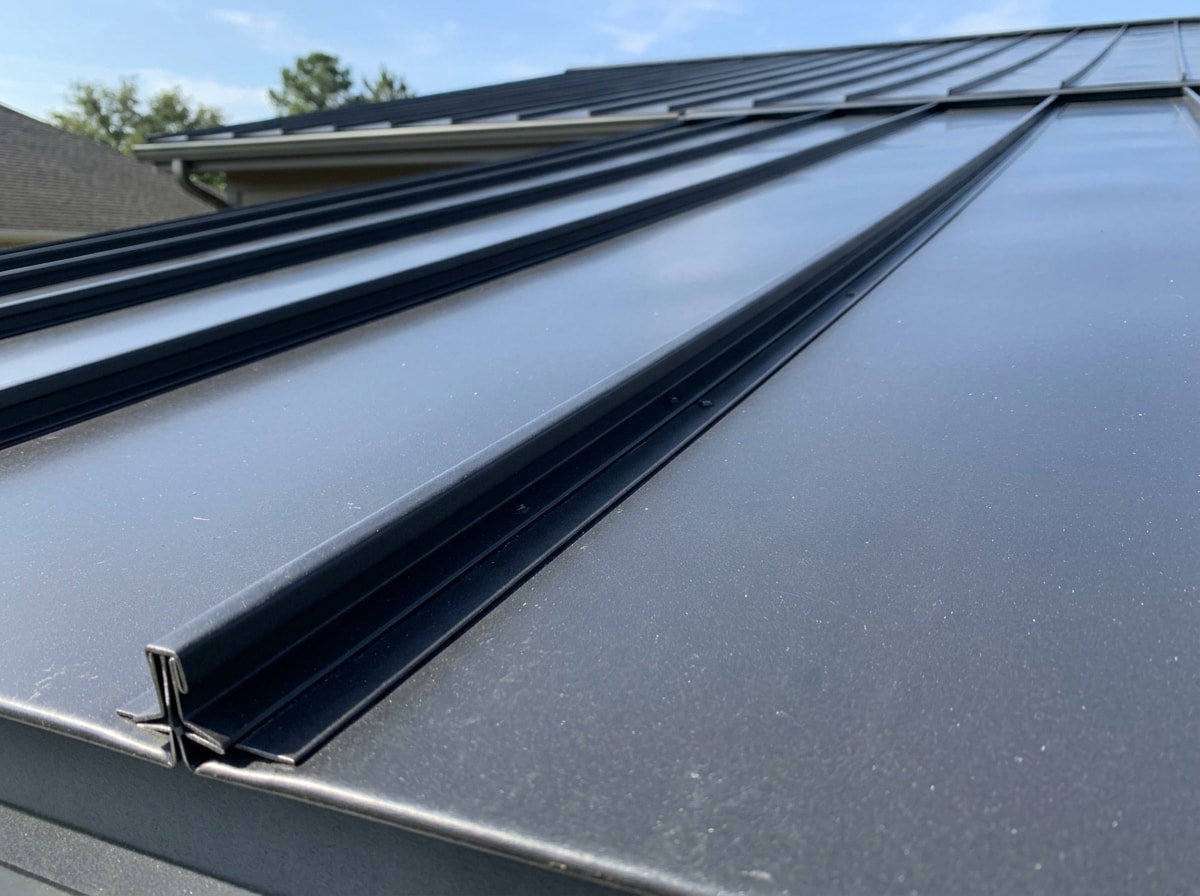
Standing Seam Metal Roofing
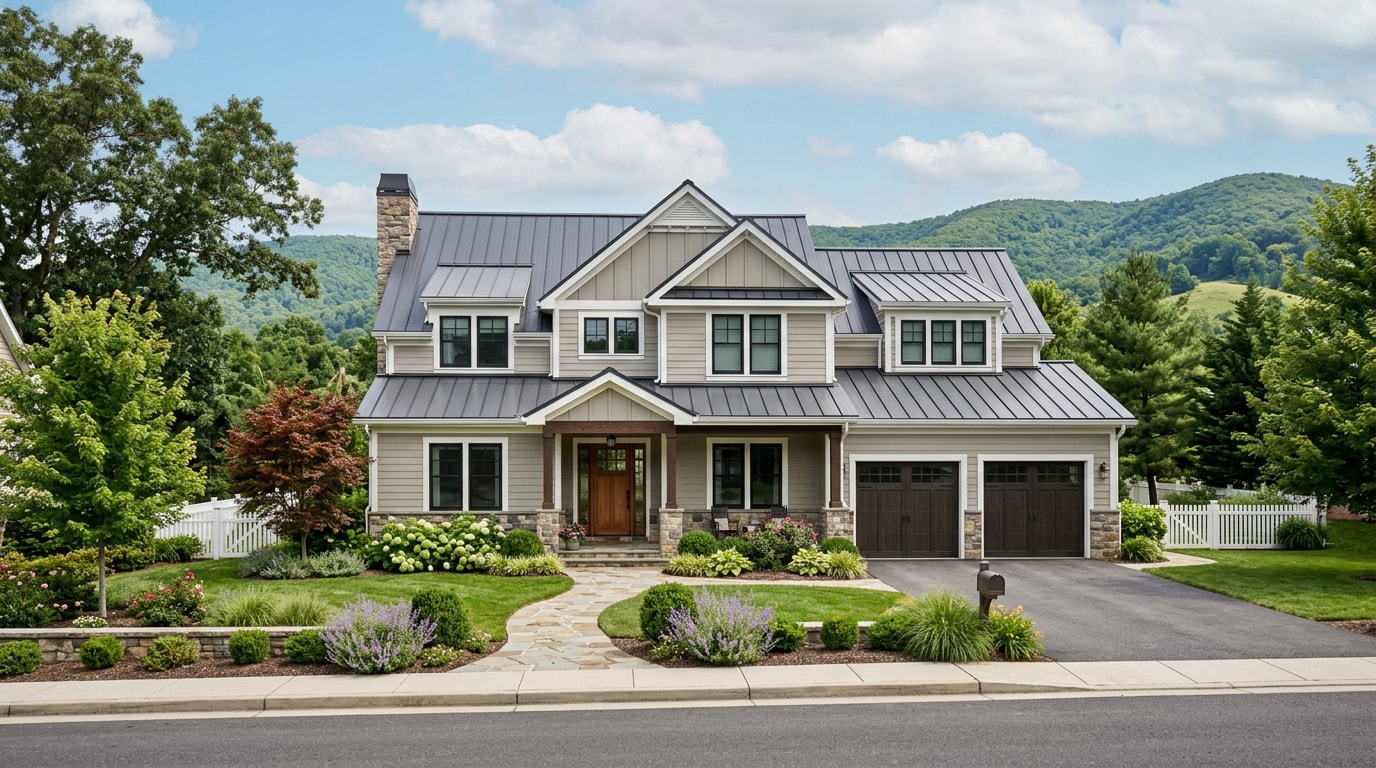
A standing seam metal roof is the most popular residential option. Its raised, interlocking seams use hidden fasteners rather than exposed screws, which keeps water out more reliably over time and gives the roof a clean, linear look. Standing seam typically sits in the mid-to-upper price range among metal options, reflecting its longer service life and lower maintenance needs.
Metal Shingles
Metal shingles are formed and coated to mimic wood shake, slate, or traditional shingles while keeping metal's durability underneath. They're a strong fit for homeowners in HOA-restricted neighborhoods who want metal's performance without a look that stands out from surrounding roofs. They cost more than basic corrugated panels but less than standing seam in many cases.
Corrugated and Exposed-Fastener Panels
Corrugated metal roofing and other exposed-fastener panels are the most budget-friendly metal option. The fasteners are visible and screwed directly through the panel, which keeps installation faster and cheaper but means those screws need periodic checking and re-sealing. This style is common on outbuildings, garages, and budget-conscious re-roofs.
Stone-Coated Steel and Premium Metals
Stone-coated steel combines a steel base with a textured, granule coating that resembles tile or shake from the street. Copper and zinc sit at the premium end, often lasting many decades and developing a distinctive patina over time. Both carry a higher price ceiling than standard steel, but that cost buys a longer lifespan and, in copper's case, minimal ongoing maintenance.
Metal Roofing Cost in 2026
Labor is often the biggest cost driver, more so than the material itself. Steep pitches, multiple roof planes, and tearing off old shingles before installation all add time and expense.
| Metal Panel Type | Installed Cost (per sq ft) | Typical Lifespan |
|---|---|---|
| Corrugated / exposed-fastener steel | $3–$6 | 20–40 years |
| Metal shingles | $7–$12 | 40–60 years |
| Standing seam | $7–$12 | 40–70 years |
| Copper or zinc | $15–$30+ | 50–100+ years |
These are national ranges. Actual bids in the Littleton and Denver metro area will vary based on roof pitch, tear-off needs, and access to your roof. Homeowners planning a full roof replacement should get this scope documented in writing so materials and warranty terms are clear before work starts.
Homeowners ready to compare these numbers against their own roof can get a free estimate and see where their project falls in these ranges.
Benefits of Metal Roofing
Many steel and aluminum roofing products carry a Class 4 impact rating, the highest hail-resistance classification tested under standards like UL 2218. Wind performance is a related advantage: standing seam and through-fastened panel systems are tested for uplift resistance under UL 580, the standard referenced by the International Building Code for this purpose. Properly installed, these systems resist uplift better than lightweight shingle products.
Energy efficiency is another real advantage. Reflective "cool roof" coatings on metal panels can reduce the annual air-conditioning energy use of a single-story home by up to 15%, based on guidance from the U.S. Department of Energy. Metal roofing is also highly recyclable at the end of its service life, and many manufacturers back their products with lifespans in the 40-to-70-year range, which can support higher resale value compared to a roof nearing replacement age.
Metal Roofing vs Asphalt Shingles
| Factor | Asphalt Shingles | Metal Roofing |
|---|---|---|
| Typical lifespan | 15–20 years | 40–70 years |
| Install cost | Lower upfront | Higher upfront |
| Hail/impact rating | Limited Class 4 options | Many Class 4-rated products |
| Maintenance | Granule loss, more frequent patching | Occasional fastener or seam checks |
Looking at a 20-year ownership window makes the tradeoff clearer. A homeowner who installs asphalt shingles today will likely need a full replacement within that period, essentially paying for two roofs. A homeowner who installs standing seam or metal shingles in the same timeframe will likely pay once, with fewer repairs after wind or hail events along the way.
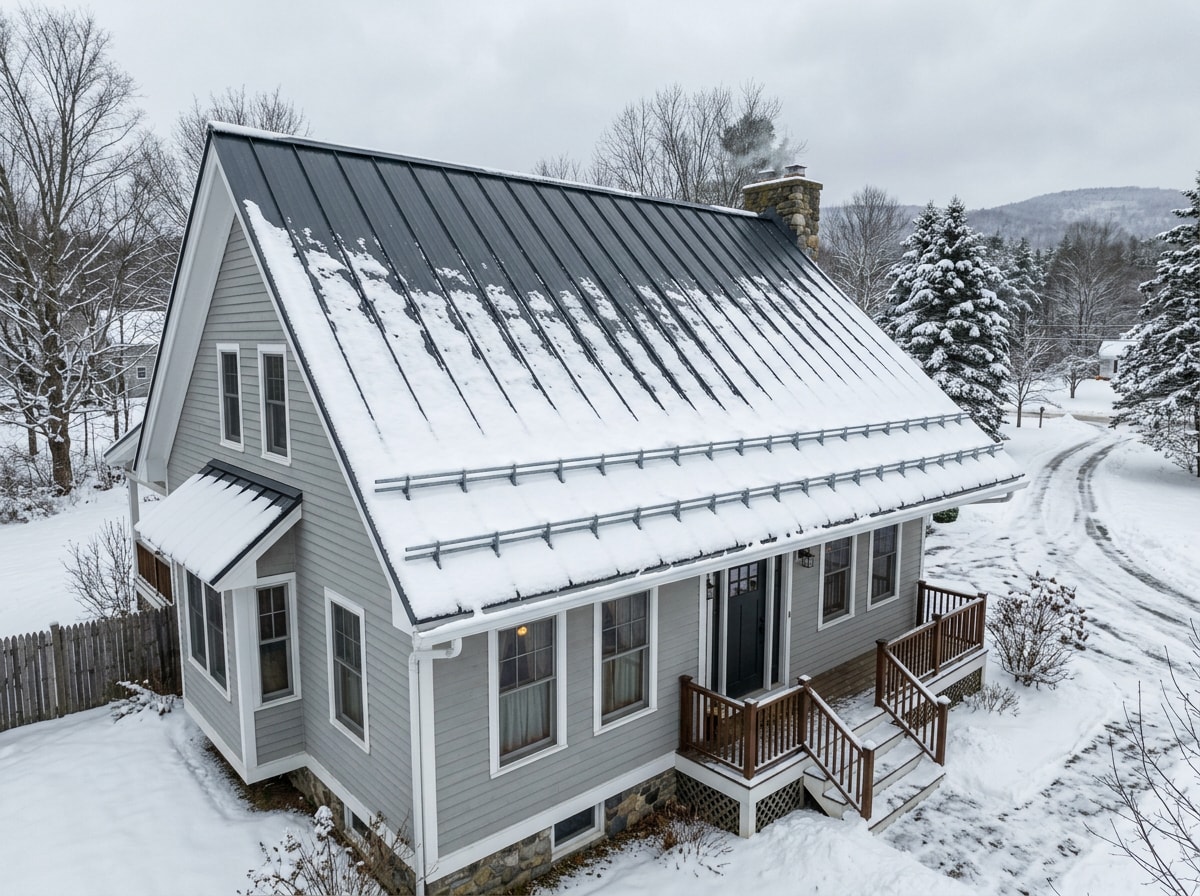
Snow management is worth a separate conversation with your contractor in Colorado specifically, since bare metal panels shed snow differently than shingles. Homeowners comparing residential roofing options for a Littleton, CO or Denver-area home should ask whether snow retention devices are included in the bid, not added later as a change order.
For a deeper look at matching a contractor to your specific metal panel choice, see our metal roofing company near me guide.
FAQ
Is metal roofing worth the extra cost?
For most homeowners planning to stay long-term, yes. The higher upfront cost is typically offset by a lifespan two to three times longer than asphalt shingles, plus lower long-term maintenance.
Does metal roofing reduce energy bills?
Yes, in most cases. Reflective cool-roof coatings on metal panels reduce heat absorption, which can lower cooling costs during warmer months, consistent with Department of Energy cool-roof guidance.
Can metal roofing be installed over existing shingles?
Often, yes, metal can be installed as an overlay directly over most existing asphalt shingle roofs. It's generally not recommended over wood shakes, and local code and decking condition should be confirmed before deciding.
Will a metal roof attract lightning?
No. Metal roofing does not attract lightning any more than other roofing materials. Lightning strikes the highest point in an area regardless of what that surface is made of.
Is a metal roof noisy during rain or hail?
Not when installed correctly. A metal roof installed over solid decking and underlayment, the standard residential method, sounds similar to an asphalt roof during rain. Noise concerns usually come from older exposed-fastener panels installed without solid decking underneath.
How long does a metal roof actually last?
Most steel and aluminum systems are rated for 40 to 70 years, while copper and zinc can exceed a century with minimal maintenance. Actual lifespan depends on panel gauge, coating quality, and installation workmanship.
Ready to compare your options? Contact Crestline Exteriors or visit the homepage to start with a free estimate on your metal roofing project.