Roofing financing options include personal loans, home equity products, contractor payment plans, and government-insured loans that let you spread the cost of a new roof over months or years instead of paying all at once. Most homeowners look into financing because a full roof replacement costs more than they have sitting in a checking account. This guide breaks down every major path, shows what each one actually costs on a real loan amount, and flags the fine print that trips people up.
How Roof Financing Works
A roof replacement typically runs roughly $9,000 to $15,000 depending on materials, pitch, and square footage, though steep-slope or specialty-material roofs can run higher. That price range is exactly why financing has become such a common way to cover a new roof without draining an emergency fund or delaying urgent repairs.
Based on the estimates we walk homeowners through across the Denver metro, financing questions come up on nearly every project that crosses the $10,000 mark, not just the large commercial jobs. Before comparing lenders, it helps to get an accurate project scope from a roofing contractor so you know exactly how much you need to borrow. The sections below walk through the main roof financing options available right now, from unsecured loans to equity-based borrowing.
Top Roofing Financing Options
There isn't one single best way to pay for a roof. The right choice depends on your credit profile, how much equity you've built in your home, and how quickly the work needs to happen. Some options require no collateral at all. Others use your home to secure a lower rate. Here's how the most common paths compare.
Personal Loans
A personal loan is an unsecured loan. You borrow a lump sum without putting your home or any other asset up as collateral. The lender deposits the full amount upfront, and you repay it in fixed monthly installments, usually over two to seven years.
Because there's no collateral backing the loan, approval leans heavily on your credit score and income rather than your home's value. Borrowers with strong credit, generally 670 and above, tend to qualify for the most competitive fixed-rate terms, while those with lower scores may see higher rates or smaller loan limits.
Funding is typically fast, often within one to a few business days. That makes a personal loan a practical choice when a roof needs replacing quickly and you don't want to wait on a home appraisal or equity paperwork.
Home Equity Loans and HELOCs
A home equity loan gives you a lump sum paid back on a fixed schedule. A HELOC, or home equity line of credit, works more like a credit card. A HELOC lets you borrow money using the available equity in your home, which is the value of your home minus the amount you owe on your mortgage. Both use your home as collateral, which is why rates are typically lower than unsecured options.
That lower rate comes with a trade-off. Only consider a HELOC if you're confident you can keep up with the loan payments, because if you fall behind or can't repay the loan on schedule, you could lose your home. In some cases, interest on a home equity loan or HELOC may be tax-deductible if the funds go toward home improvements, though you should confirm current rules with a tax professional since this varies by situation.
To see how these options stack up against unsecured borrowing, the table below compares typical 2026 ranges across the four most common financing paths.
| Option | Typical Rate Range | Funding Speed | Collateral Risk |
|---|---|---|---|
| Personal Loan | ~8%–20% | 1–5 days | None (unsecured) |
| Home Equity Loan | ~7%–10% | 2–6 weeks | Home |
| HELOC | ~8%–11% (variable) | 2–6 weeks | Home |
| Contractor Financing | 0%–25%+ | Same day | Varies by amount |
Rates shift with the broader lending market, so treat these as general ranges rather than guaranteed quotes. For an official breakdown of how home equity borrowing and collateral risk work, see the Consumer Financial Protection Bureau's explanation of how a HELOC works.
Contractor Financing
Many roofing companies offer financing directly at the point of sale, often called in-house financing, though the company itself typically isn't the lender. Instead, it partners with a third-party finance company to approve and fund the loan, sometimes within the same visit.
The appeal is convenience, and many plans include a 0% APR promotion for a set introductory period, which can make a roof replacement far more affordable if paid off in time. The catch is deferred interest. Under a deferred-interest plan, the consumer pays no interest if the purchase amount is paid off within a set period, typically six to 12 months, but a consumer carrying even a small balance past the promotion's expiration date may owe much more in interest than the remaining purchase balance due. Larger financed amounts can also come with a lien on the home until the loan is satisfied.
If you're exploring contractor financing, ask to see the full terms in writing and compare them against what a roof replacement actually costs before signing anything.
Credit Cards
A credit card can work for smaller jobs, like covering part of a roof repair, especially if you qualify for a card with a 0% promotional introductory offer. It's a fast, flexible way to bridge a short funding gap without a loan application.
The risk shows up after the promotional period ends. Standard credit card APRs often exceed 20%, and carrying a roof-sized balance at that rate gets expensive fast. The same deferred-interest trap described above applies to store and retail credit cards, so read the offer terms closely before putting a five-figure project on plastic.
Other Ways to Pay for a Roof
Beyond the common options above, some homeowners turn to equity-based refinancing or government-backed programs, particularly when the project is large or they want to lock in a lower long-term rate.
Cash-Out Refinancing
A cash-out refinance replaces your current mortgage with a larger one, and you receive the difference in cash to put toward the roofing project. Because it's secured by your home and often has a longer repayment term, a cash-out refinance can carry a lower interest rate than a personal loan or credit card.
The trade-off is timeline and cost. Refinancing a mortgage typically takes several weeks to close and comes with closing costs that can run thousands of dollars, so it tends to make more sense for a larger, planned project than an urgent repair.
FHA Title I Loans
An FHA Title I loan is a government-insured loan designed for home improvements, including roof replacement, and it's available even to homeowners with little equity built up. Any loan or combination of outstanding balances of Title I loans that exceed $7,500 must be secured against the subject property. Smaller amounts generally don't require that lien, which makes Title I loans worth a look for mid-sized repair jobs.
Eligibility, loan caps, and participating lenders vary, so it's worth checking current terms through a HUD-approved lender rather than assuming you qualify. You can review the official Title I program details directly from HUD for the most current guidelines.
What Financing Actually Costs: A Worked Example
Rate ranges only tell part of the story. Here's what a real loan amount looks like month to month.
On a $15,000 roof replacement financed with a personal loan at 9.5% APR over seven years (84 months), the math works out to roughly $245 a month. Over the full term, that's about $20,590 paid back, meaning around $5,590 of that is interest. Shorten the term to five years and the monthly payment climbs to around $314, but total interest drops to roughly $3,840.
That trade-off, lower monthly payment versus lower total cost, is the real decision behind every roofing loan, regardless of which product you choose.
Financing After a Storm Claim
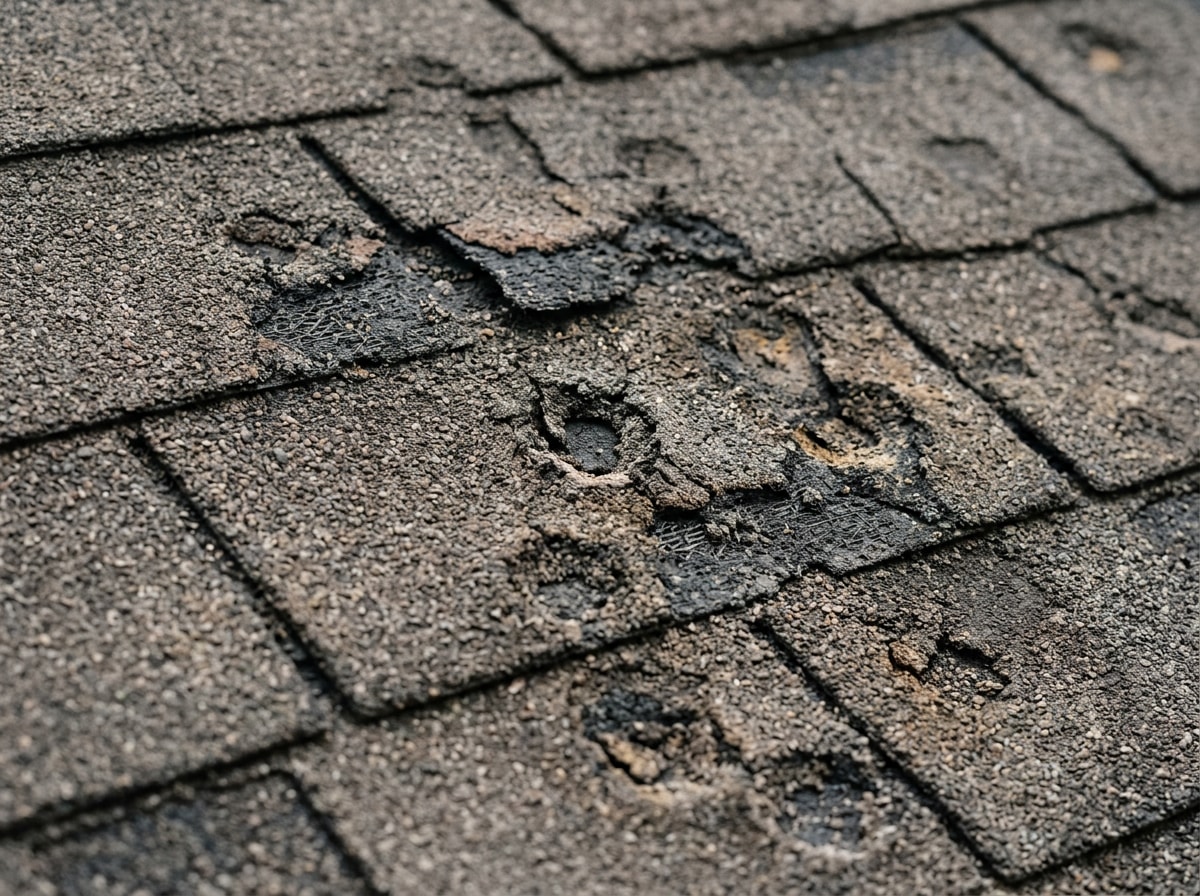
Colorado's hail seasons create a financing wrinkle that national guides rarely mention: many homeowners filing an insurance claim don't need to finance the full roof cost, just the deductible. If your policy pays for the bulk of a storm-damaged roof, a smaller personal loan or a 0% contractor promotion can often cover the out-of-pocket gap without touching home equity at all.
This comes up often for homeowners in Jefferson County and Douglas County, where hail is a routine part of spring and summer storm patterns. Knowing your deductible before you call a lender keeps you from over-borrowing.
Which Roofing Financing Option Is Best for You
The best roof financing option usually comes down to four factors: how much the project costs, how soon you need the funds, your credit profile, and how much home equity you have available.
- Need repairs started this week? A personal loan or contractor financing plan with fast approval beats a refinance that takes weeks to close.
- Planning a full replacement months out with strong home equity? A HELOC or home equity loan may offer a meaningfully lower rate over the life of the loan.
- Only covering an insurance deductible? A small personal loan or short 0% promotional window is often enough.
- Limited equity and a mid-sized repair? An FHA Title I loan is worth checking before ruling it out.
There's no wrong starting point, just the option that matches your timeline and finances. If you'd like help estimating project cost before choosing how to finance a roof, request a free estimate and we'll walk through the numbers with you. You can also browse our full roofing contractor services or start from the homepage to see current project pricing. For a deeper breakdown of lenders, promotional terms, and red flags to watch for, read our guide on roofing contractors that finance.
A roof inspection before you apply for any loan also helps confirm the actual scope of work, so you're not financing more, or less, than the job requires.
About the Author
This guide was written by the Crestline Exteriors team, a licensed roofing contractor serving Littleton, Denver, and the surrounding Front Range communities. Our estimators walk homeowners through financing questions on roofing and siding projects daily, and this guide reflects the options and terms we see most often in the field. Questions about your specific project? Contact us directly.
FAQ
Can you get roof financing with bad credit?
Yes, bad credit roof financing options exist, though they often come with higher rates or smaller approved amounts. Secured options like a HELOC or home equity loan can be easier to qualify for than an unsecured roof loan since your home backs the debt.
What credit score do you need to finance a new roof?
There's no single minimum credit score for roof financing. Personal loans often favor scores near 670 or higher, while HELOCs, FHA Title I loans, and contractor financing each have their own thresholds that lenders set independently.
Does financing a roof hurt your credit score?
Applying can cause a small, temporary dip from the hard inquiry and the new account itself. Over time, on-time payments on a roof loan typically help your credit score more than the initial inquiry hurts it.
Do roofing companies offer financing?
Many roofing companies offer financing by partnering with third-party lenders for in-house financing at the point of sale. Compare those offers against an independent loan before signing, since terms and promotional periods vary significantly between lenders.
Is it smart to finance a new roof?
It depends on the terms. A 0% promotional offer paid off on time, or a low-rate personal loan that fits your budget, can be a smart way to avoid draining savings. A deferred-interest plan carried past its deadline, or a high-rate card balance, usually is not.
How long can you finance a roof for?
Most personal loans and contractor plans run two to seven years. Home equity loans and HELOCs can stretch to 10 to 20 years, and FHA Title I loans can run up to 20 years depending on the loan amount.
Can you finance just a roof repair instead of a full replacement?
Yes. Smaller repairs are often covered with a credit card promotional offer or a small personal loan rather than a larger secured loan, since the amount needed is usually well under what triggers a home equity application.