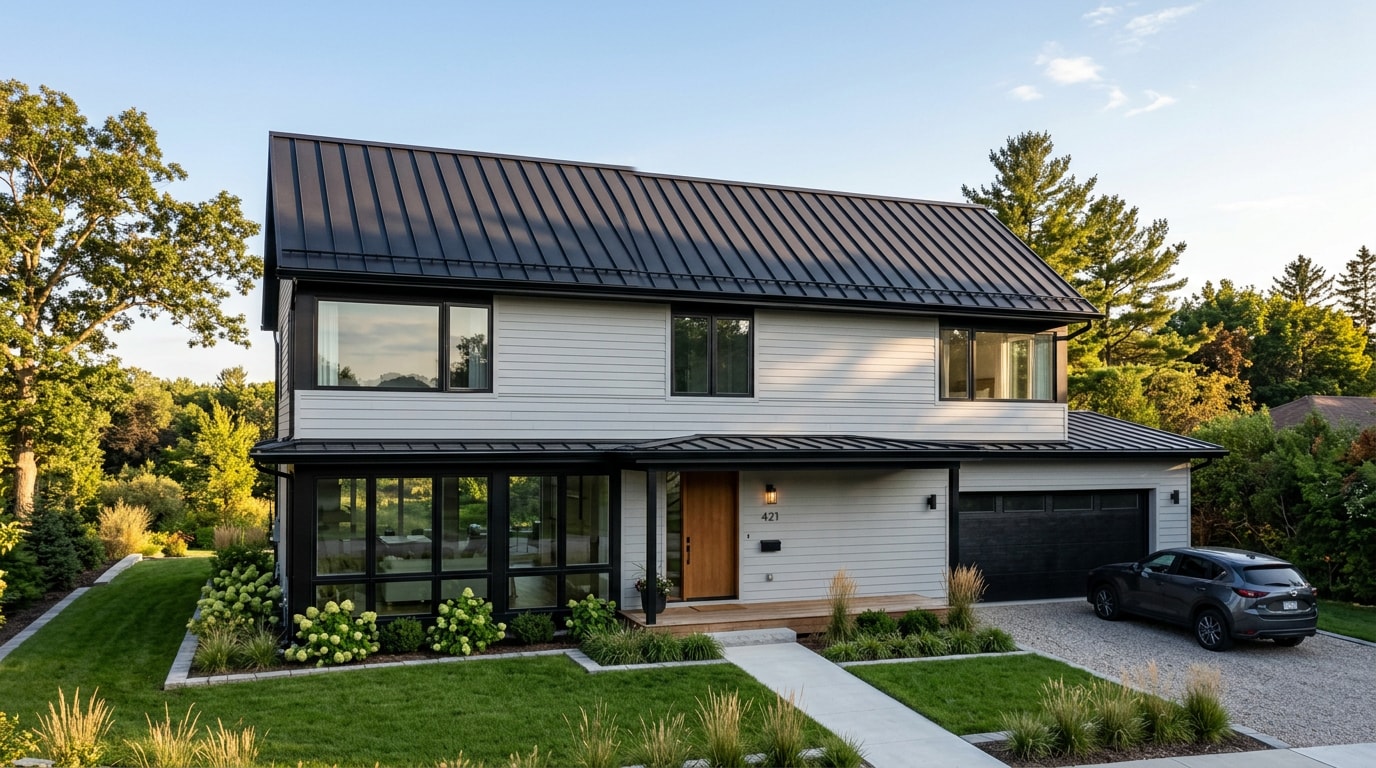
Black metal roofing has moved from a niche architectural choice to one of the most requested upgrades for homeowners renovating or building new. The deep, matte finish pairs with nearly any siding color, and metal's reputation for durability makes the choice feel practical rather than just trendy. Before you call a contractor, here's what actually changes once black is the color and metal is the material.
Visit Crestline Exteriors to see our services and request a free estimate.
What Is a Black Metal Roof?
A black metal roof is a roofing system built from steel, aluminum, or copper panels finished in black. The color comes either from the metal's natural oxidation or from a factory-applied paint coating, and that distinction affects maintenance, cost, and how the roof ages.
Black Steel Roofing
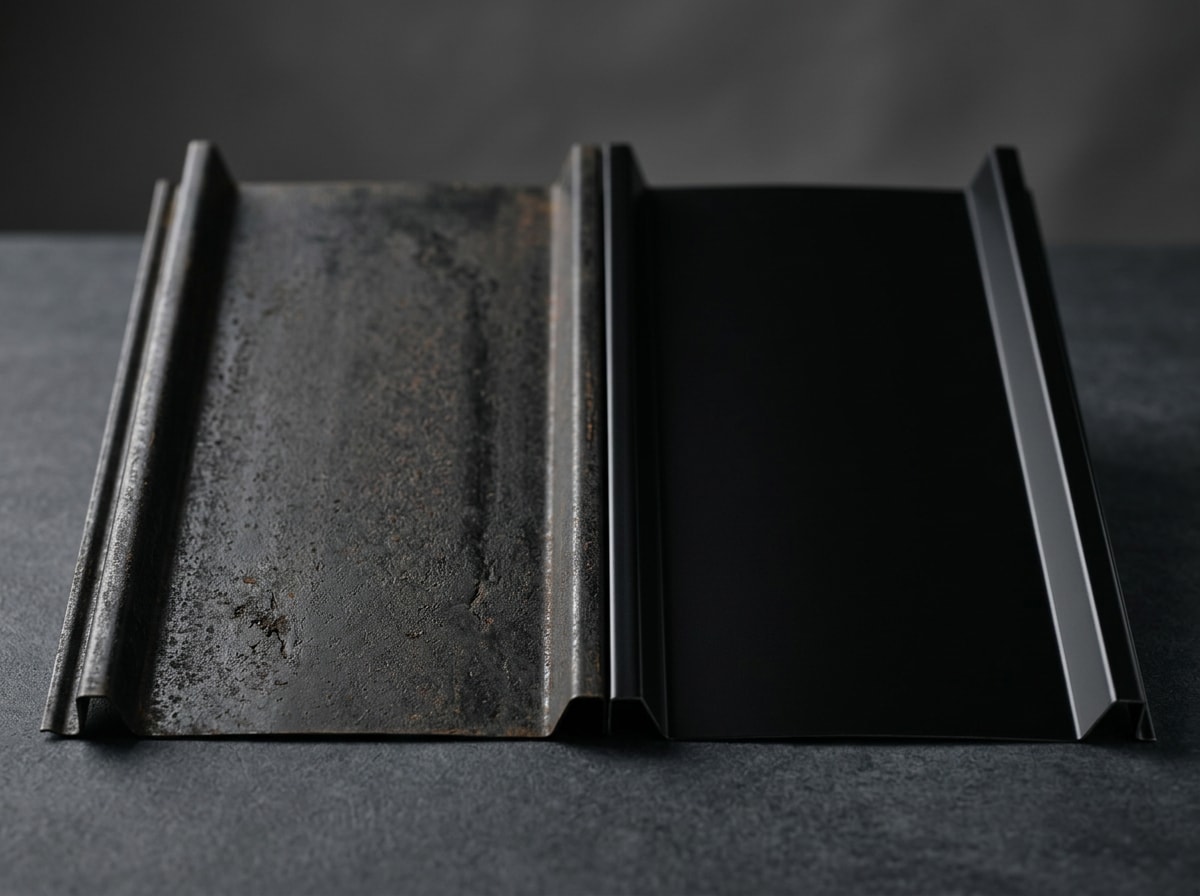
Some manufacturers skip paint and use non-galvanized steel that develops a protective iron oxide layer, essentially a controlled rust coating, which produces a natural black finish instead of a painted one. This process gives panels a slightly textured, matte look that changes subtly over decades of weathering. Because the color comes from the metal itself, minor scratches are less noticeable than on a painted panel, since the material underneath matches the surface tone.
Painted Metal Roofing
Most black metal roofs on the market are standard steel or aluminum panels coated with a black paint system, often a PVDF (Kynar-type) coating designed to resist fading and chalking. Painted black metal roofing delivers a smoother, more uniform matte black finish than natural black steel and comes in a wider range of panel profiles. Once installed, the performance gap between painted and natural-finish black metal is minor. The real differences are cost, texture, and how the color weathers over time. If you're weighing panel profiles for a specific project, our roof installation team can walk through which finish fits your home and budget.
Pros of a Black Metal Roof
Black metal roofing has grown popular for good reason: durability, energy performance, and low upkeep wrapped in a bold, modern look. The trade-offs come in the next section, but the benefits are real.
Durability & Longevity
A well-installed black metal roof can last 40 to 70 years depending on the material, coating quality, and climate, roughly two to four times the lifespan of asphalt shingles, which typically need replacement every 15 to 25 years. Metal resists rot, insect damage, and cracking far better than organic roofing materials, and panels won't curl or shed granules the way shingles do over time. Metal is also lighter than concrete or clay tile, which reduces structural stress on the roof deck, worth flagging to your contractor if you're re-roofing an older home.
Energy Efficiency
Dark roofs absorb more solar heat than light-colored ones, but reflective cool-roof coatings offset much of that penalty. While lighter color roofs tend to have the best solar reflectance and thermal emittance, new coating and material technologies now exist for other colors that have high solar reflectance and thermal emittance. The Cool Roof Rating Council, referenced by the EPA as the organization that administers a rating program for companies interested in having their roofing products listed and labeled with information about surface radiative performance , is the industry benchmark contractors use to compare coated dark products. Pairing a black metal roof with attic ventilation narrows the energy gap with lighter roof colors, which is why manufacturers now market cool-roof coated panels specifically in dark shades.
Low Maintenance
Metal sheds debris, resists moss and algae growth, and doesn't develop the granule loss or curling that shortens shingle life. Upkeep is simple: a visual inspection once or twice a year, clearing leaves from valleys, and keeping gutters clear so water doesn't pool at roof edges. A roof inspection once a year catches loose fasteners or sealant wear long before they become leaks.
Curb Appeal & Modern Aesthetic
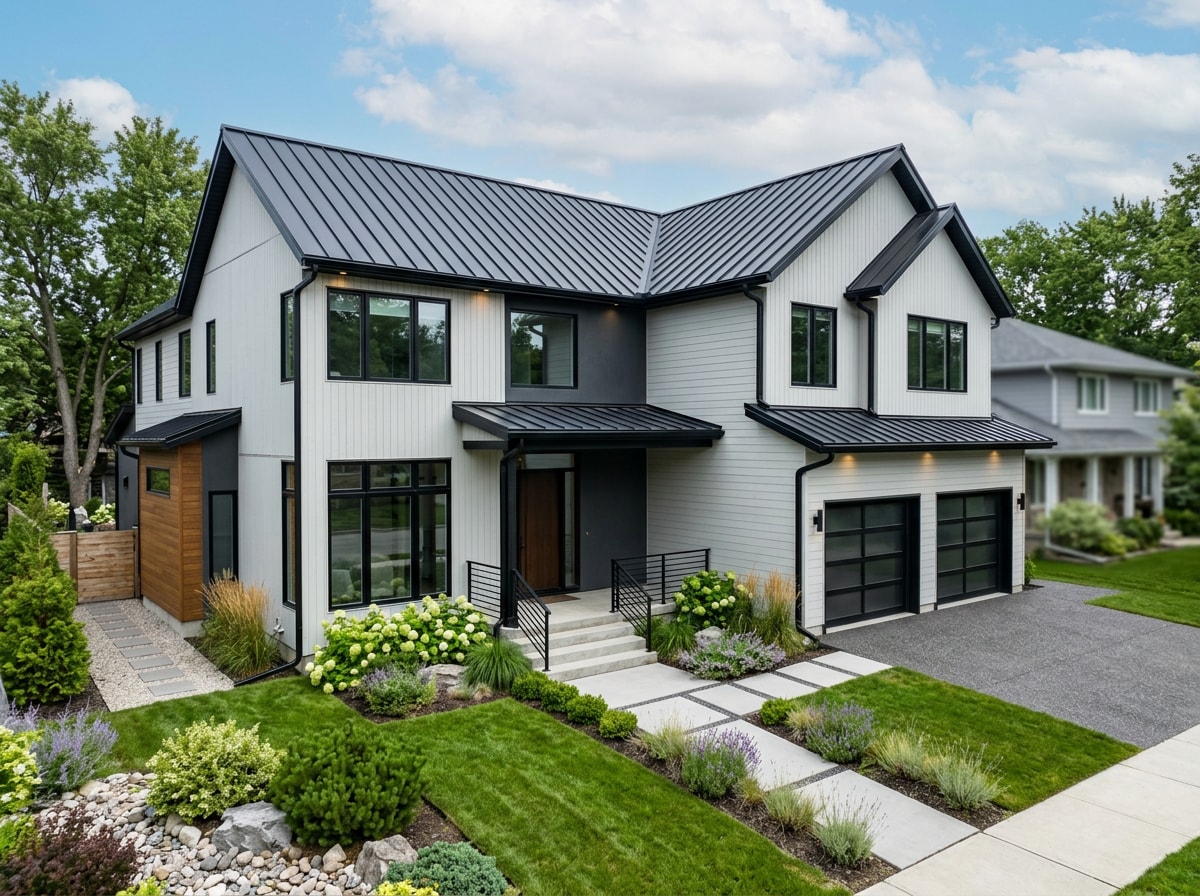
A matte black roof reads as bold and contemporary, but it also works on traditional homes. The contrast against white, gray, or wood siding tends to highlight architectural details rather than clash with them. Builders increasingly specify black metal roofing for exactly this reason: it reads as a deliberate design choice rather than a default.
Environmental Benefits & Sustainability
Metal roof and wall panels are made with recycled content from recyclable materials, making them a choice built for today and for future generations. At the end of its service life, metal roofing is close to 100% recyclable, unlike asphalt shingles, which mostly end up in landfills. Because a black metal roof can outlast two or three shingle roofs, it also means fewer manufacturing cycles and less waste over a building's lifetime, arguably a more meaningful sustainability comparison than either material judged alone.
Increased Home Value
A durable, well-finished roof signals lower near-term maintenance costs to buyers, and black metal roofing's modern look can support resale value in competitive markets. It's hard to attach a precise dollar figure to this effect since it varies by region and buyer taste, but agents commonly list a newer metal roof as a selling point rather than a repair to negotiate around.
Cons of a Black Metal Roof
No roofing material is perfect. Here are the trade-offs that come up most often when homeowners weigh black metal roof drawbacks against its benefits.
Higher Upfront Cost
Black metal roofing typically runs more per square foot installed than asphalt shingles, often two to three times the cost. That gap narrows considerably once you account for how many shingle roofs you'd replace over the same span:
| Roofing Type | Typical Installed Cost | Typical Lifespan | Replacements Over 50 Years |
|---|---|---|---|
| Black metal roofing | Higher upfront | 40–70 years | 0–1 |
| Asphalt shingles | Lower upfront | 15–25 years | 2–3 |
Run the math on a hypothetical: a metal roof that costs twice as much upfront but lasts three times as long typically ends up costing less per year of service once you factor in two additional shingle tear-offs and installs. For project-specific numbers, request a roofing estimate rather than relying on national averages.
Noise During Rain & Hail
Bare metal panels transmit rain and hail noise more readily than asphalt shingles, which is the most common complaint from new metal roof owners. Solid roof decking, sound-dampening underlayment, and standard attic insulation address most of this. Homes with proper installation report noise levels close to a shingle roof. The exposed-panel, barn-style installations that amplify rain noise online rarely reflect how residential metal roof noise plays out in practice.
Heat Absorption in Hot Climates
Black surfaces absorb more solar energy than white or light gray ones, and an uncoated black metal roof can run hotter than a light-colored roof in direct sun. Combined with attic ventilation and a cool roof coating, a black roof's real-world cooling impact narrows much closer to lighter alternatives than color alone would suggest. This matters more in consistently hot, sunny climates than in areas with shorter cooling seasons.
Slippery When Wet
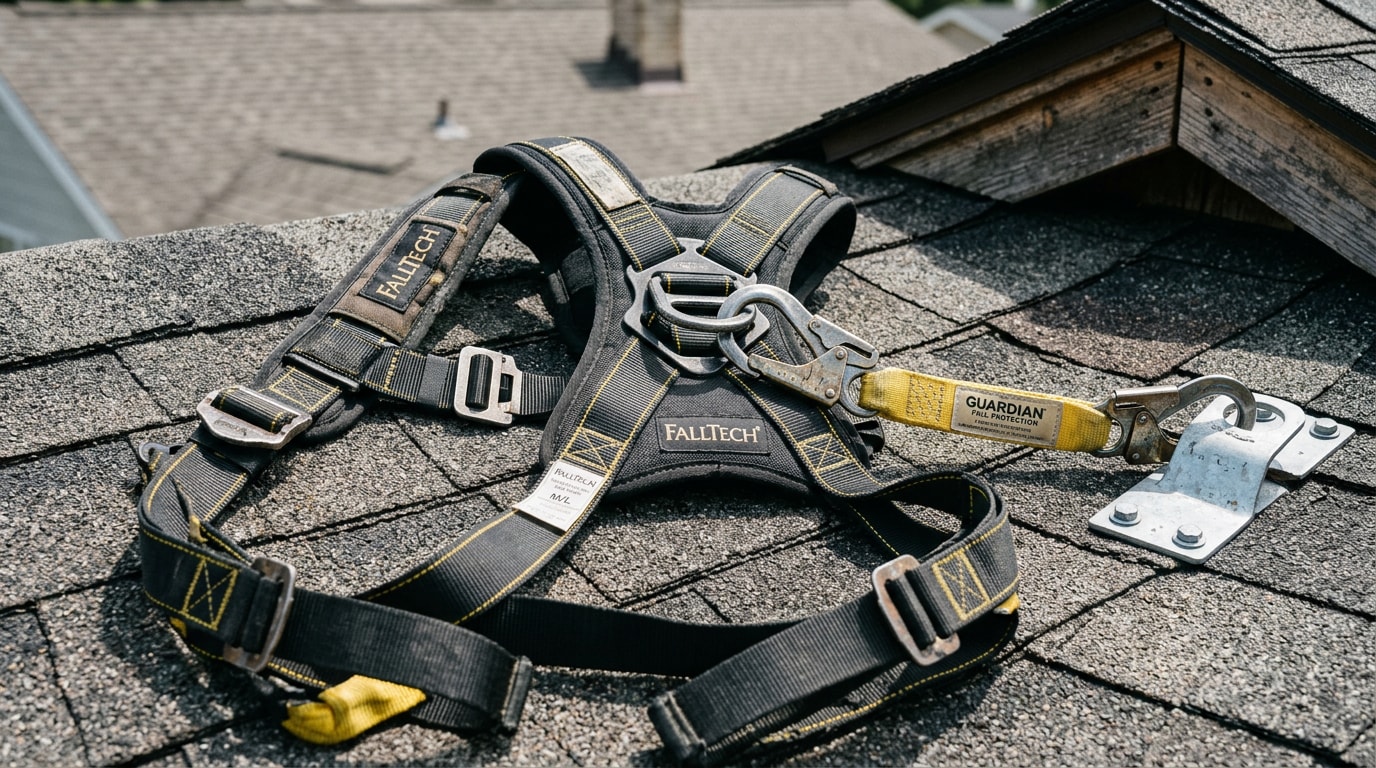
Metal's smooth surface gets slippery when wet, more so than the gritty texture of asphalt shingles. That matters most for maintenance access. Anyone walking the roof for inspections, gutter work, or holiday lighting needs proper footwear and extra caution after rain or frost. It's a safety consideration for DIY-minded homeowners more than a flaw in the material itself.
Color Fade & Chalking Over Time
Painted black metal panels can chalk or shift shade slightly over decades, particularly with lower-grade polyester coatings. PVDF (Kynar-type) finishes hold color noticeably longer than basic polyester coatings and are the reason manufacturers can offer extended fade warranties on premium panels. Ask your contractor which coating system is quoted before assuming every "black metal roof" ages the same way.
Black Metal Roofing in Colorado's Climate
Most national guides skip a detail that matters a lot along the Front Range: hail. The Colorado Division of Insurance has found that hail damage is the number one cost driver of homeowners insurance rates in the state, accounting for an average of 26 percent to 54 percent of an annual homeowners insurance premium. Metal roofing systems with a Class 4 impact rating hold up to hail better than standard asphalt, and Colorado has since created a state enterprise that will provide grants to homeowners to retrofit residential properties with more hail-resistant roof systems.
That's on top of the freeze-thaw cycles and intense UV exposure that come with Denver-metro altitude. In our experience inspecting roofs across Littleton, Douglas County, and the greater Denver metro, black metal panels with a PVDF finish tend to outlast painted asphalt in this climate specifically because they don't absorb moisture into a granule mat that later cracks under freeze-thaw stress. Homeowners in Littleton, Douglas County, and Denver should ask any contractor bidding a black metal roof for the panel's impact rating and documented coating warranty, not just the color swatch.
Is a Black Metal Roof Right for You?
The right answer depends on how you weigh the trade-offs above against your own priorities.
- If you're in a hot climate, a coated black metal roof with proper ventilation gets you the look without a major energy penalty.
- If your budget is tight right now, the higher upfront cost may be a real obstacle even though the long-term math favors metal.
- If you love the look but worry about noise, ask your contractor about solid decking and insulation options before ruling it out.
- If you're in a hail-prone area like the Front Range, prioritize impact rating over color first.
Getting a firm quote is usually the fastest way to turn this from a hypothetical into a decision. Get a free estimate to see real numbers for your home, or start with our roofing contractor services page to see the full scope of what's involved. If your current roof is already showing its age, a roof replacement quote will tell you whether black metal fits your timeline and budget better than a like-for-like reshingle.
FAQ
How long does a black metal roof last?
Most black metal roofs last 40 to 70 years, with the range depending on coating quality, panel material, and installation. Steel with a factory PVDF coating tends to hold color and resist corrosion longer than lower-grade painted finishes. Coastal or high-humidity climates can shorten that range somewhat, while dry, moderate climates with proper installation tend to land toward the higher end.
Is a black metal roof more expensive than asphalt shingles?
Yes, upfront. Black metal roofing typically costs two to three times more per square foot than asphalt shingles installed. But because metal lasts two to four times longer, the cost per year of service often ends up lower than shingles once you account for one or two shingle replacements over the same time period.
Does a black metal roof make a house hotter?
An uncoated black metal roof can absorb more heat than a lighter roof, but reflective cool-roof coatings cut surface temperatures significantly. Paired with attic ventilation, a coated black metal roof typically performs much closer to lighter roof colors than the color alone would suggest.
Are black metal roofs noisy in the rain?
Bare metal panels can amplify rain noise, but solid decking, proper underlayment, and standard attic insulation address most of the issue in residential installations. Homes with these details in place typically report noise levels close to what you'd hear under an asphalt shingle roof, making this more of an installation detail than an inherent drawback.
Is a black metal roof a good idea?
For most homeowners planning to stay put for more than a decade, yes. The upfront cost is higher, but the combination of a 40 to 70 year lifespan, low maintenance, and strong resale appeal outweighs the drawbacks for most climates. The exceptions are tight renovation budgets and homes in consistently hot climates without cool-roof coating options.
Does black metal roofing fade over time?
Painted panels can fade or chalk slowly, especially with basic polyester coatings. PVDF (Kynar-type) finishes resist fading far longer and are worth the added cost if you want the roof to look the same in year 20 as it did in year one. Natural black steel doesn't fade the same way since the color comes from the metal's own oxidation layer rather than a paint film.
Do black metal roofs qualify for insurance discounts in Colorado?
Some do, if the panel system carries a Class 4 impact rating and your insurer offers a credit for impact-resistant roofing. Discounts vary by carrier and policy, so confirm the specific rating and documentation your insurer requires before assuming a discount applies.