Search "metal roofing for sale near me" and you mostly land on big-box inventory pages and classified listings, not real buying guidance. That gap matters, because panel gauge and coating class move your price more than the color you pick. This guide breaks down what you're actually buying, what gauge and coating really mean for cost and durability, and the questions that separate a supplier worth driving to from one that just looks cheap online.
What a "Metal Roofing for Sale Near Me" Search Actually Returns
A search like this turns up two very different seller types.
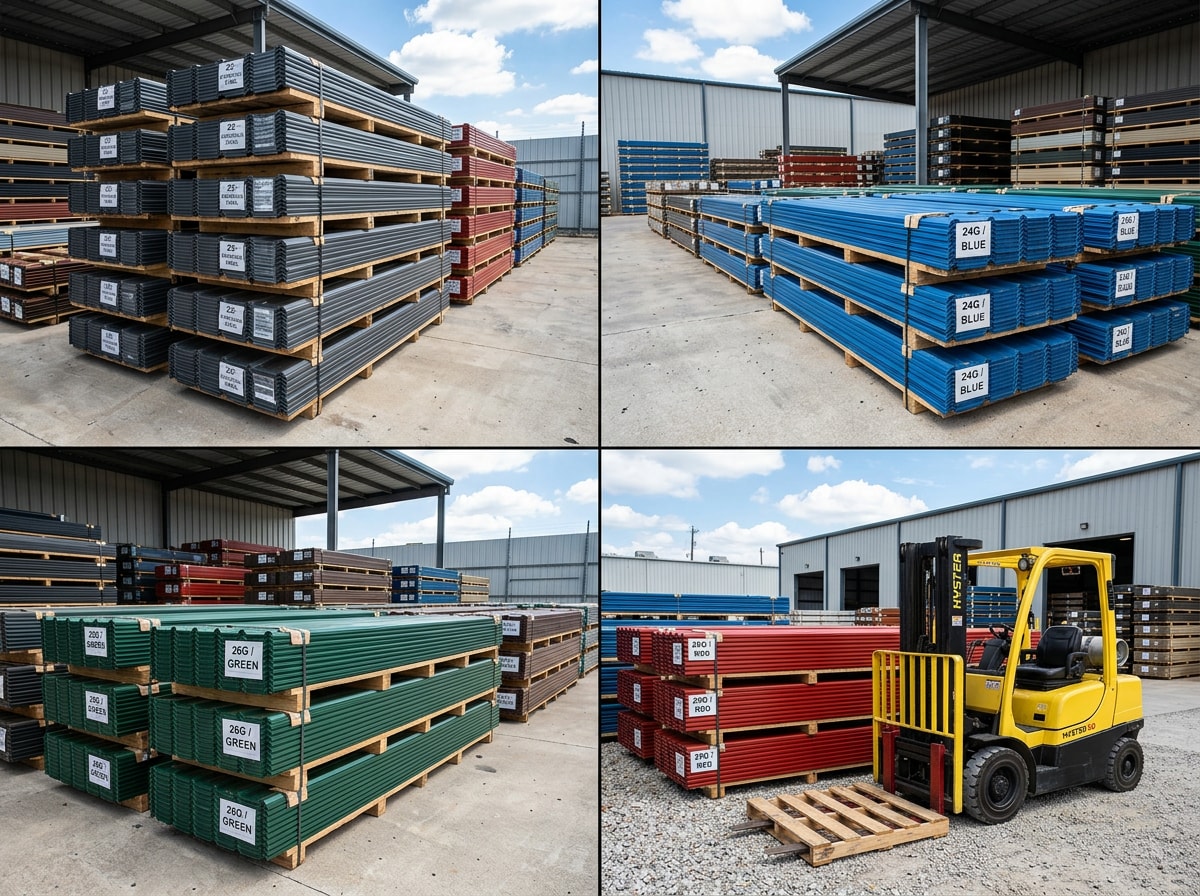
Roll-formers and manufacturers form panels to order from coil. Distributors, lumberyards, and home-improvement chains resell panels made somewhere else.
Knowing which one you're calling changes price, lead time, and how much flexibility you get on gauge and color. A local metal roofing manufacturer can usually move faster and price more aggressively than a reseller, since roll-formed panels come straight off their own machines instead of a middleman's shelf.
If you'd rather have a licensed roofing contractor handle sourcing and installation together, that's usually simpler than buying panels solo and lining up a crew afterward.
2026 Metal Roofing Gauge Chart: What Thickness Actually Costs You
Gauge, not panel profile, is the biggest hidden cost driver in a metal roofing quote. A seller who quotes "metal roofing" without a gauge number is quoting a moving target.
| Gauge | Approx. Steel Thickness | Typical Use |
|---|---|---|
| 22 gauge | ~0.030 in | Heavy-duty commercial, high-wind, high-snow-load roofs |
| 24 gauge | ~0.024 in | Standing seam, premium residential, higher-wind regions |
| 26 gauge | ~0.018 in | Most common residential panel thickness |
| 29 gauge | ~0.015 in | Sheds, carports, light agricultural, lowest cost |
On the Front Range, where hail and wind-driven snow load are routine, the step up from 26 to 24 gauge is often worth the extra cost. Panels sold for wind resistance are typically evaluated against ASTM E1592, the structural test standard for sheet metal roof and siding systems under uniform static air pressure, and it's fair to ask a supplier whether their panel has actually been tested to it.
We've seen 26-gauge panels on Douglas and Jefferson County roofs start to oil-can within a few years after a hailstorm, while the 24-gauge panel next door on the same street held its line. That's the kind of difference a gauge number on a spec sheet doesn't fully convey until you're standing on the roof.
What to Look for in a Metal Roofing Supplier
Picking a supplier worth driving to takes more than comparing sticker prices online. A handful of concrete details separate a dependable metal roofing supplier from one that just looks cheap on a landing page.
Look for a supplier who:
- Roll-forms panels in-house instead of waiting on a third party
- Offers a full range of gauge and color options, not just stock items
- Cuts panels to length, which cuts down job-site waste
- Can match trim, ridge cap, and closures from the same color run
- Gives straight, specific answers on lead time and pricing, not vague ranges
For larger residential or light-commercial purchases, also confirm panel profile availability, material thickness options, coating specifications, and manufacturing documentation before paying anything.
| Supplier Type | Typical Price | Lead Time | Trim & Color Matching | Minimum Order |
|---|---|---|---|---|
| Manufacturer-direct (roll-former) | Lowest, no added markup | Often 1-2 weeks, cut to order | Exact match, same run | Usually low or none |
| Distributor/lumberyard | Mid-range markup added | Depends on stock cycle | Close, not guaranteed | Sometimes a pallet minimum |
| Big-box retail | Varies, often higher per linear foot | Limited to shelf stock | Stock colors only | None, but limited lengths |
See how panel choice fits into a full project on our roof installation page before you start calling around.
Types of Metal Roofing Panels Sold Near You
Supplier choice matters less if you haven't settled on a panel type yet. Metal roofing types vary in profile, structural performance, and intended use, and that decision usually comes before comparing suppliers.
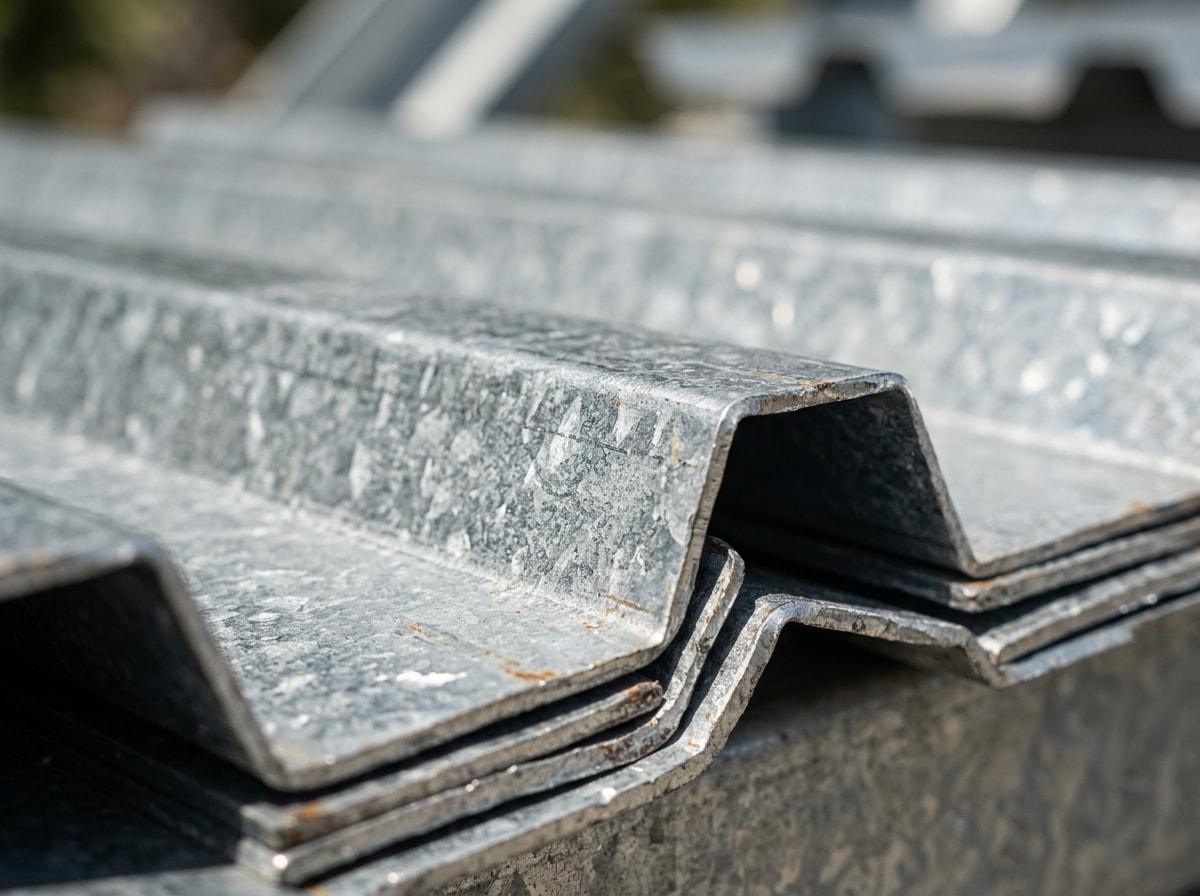
Rib exterior panels are ribbed, raised-section steel panels used for residential and light-commercial roofs and siding. The raised ribs add structural rigidity, letting thinner gauges span farther without flexing.
Corrugated panels use a similar wave-shaped profile but space the ribs differently, trading a bit of rigidity for a more traditional look.
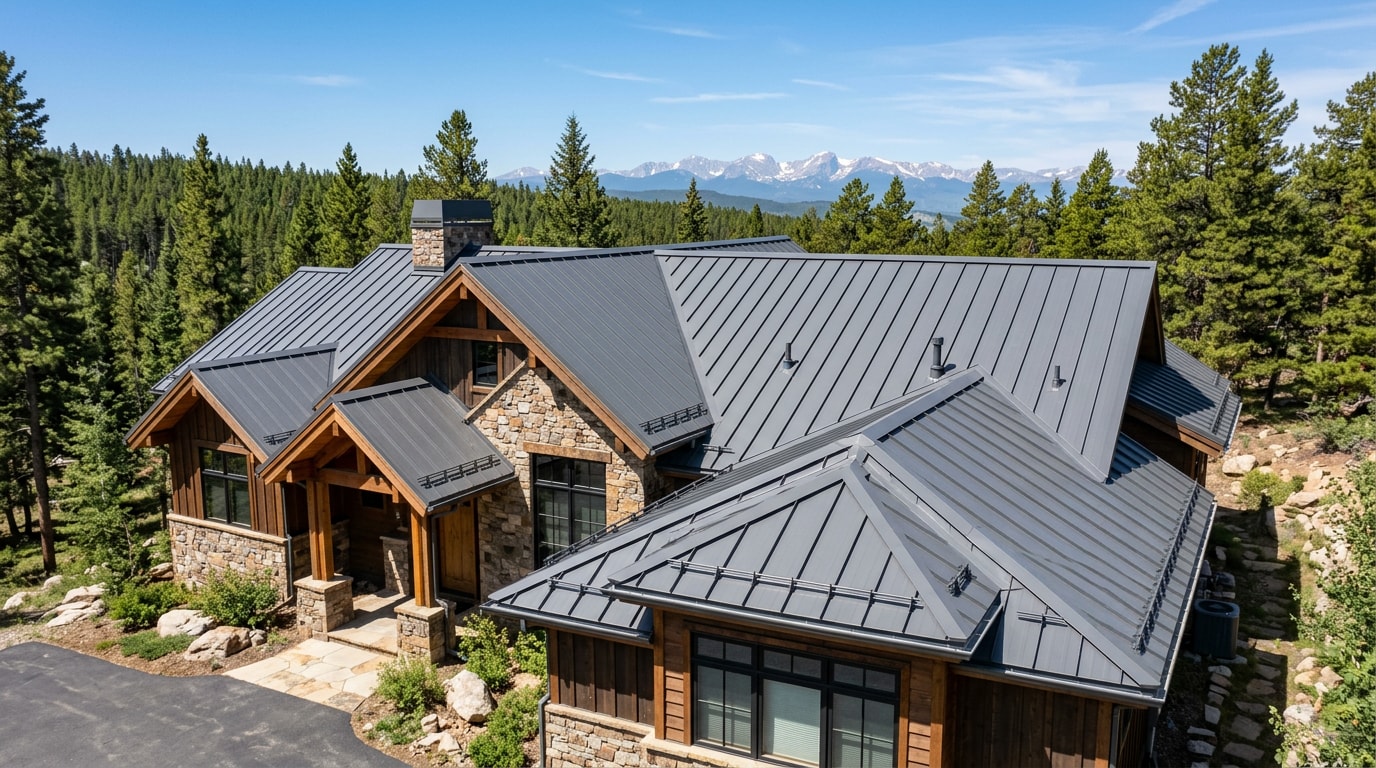
Standing seam panels use concealed fasteners and interlocking seams, and they're the profile most often paired with 24-gauge steel for wind and snow performance. If you'd rather have a vetted pro handle a standing seam install instead of sourcing panels yourself, our guide on finding a local metal roofing company walks through how to vet contractors in your area.
Buying Direct From the Roll-Former vs. a Distributor or Big-Box Store
Buying straight from whoever runs the roll-forming machine puts four decisions in your hands instead of the shelf's: gauge, substrate, paint system, and profile. Those four choices drive most of the final cost.
When you buy direct from a roll-former, pricing typically reflects material cost plus a single margin, not a markup stacked on a markup. Need a custom gauge for a wind-exposed job, or a different substrate for a corrosive environment? A roll-former can usually build that into the next run, while a reseller is often stuck with whatever's already on the shelf.
Planning a full new roof rather than a standalone panel purchase? It's worth pricing materials and labor together, since a contractor buying at volume often gets better panel pricing than a homeowner buying a single order.
Durability: Rust, Denting, and Energy Performance
How well panels hold up against rust, impact, and heat gain depends on coating quality and thickness, and that affects which supplier is worth choosing for durable metal roofing that actually lasts.
Rust & Corrosion
Metal roofing resists rust mainly because of protective coatings, not because bare steel resists corrosion on its own. Galvalume coating, specified under ASTM A792, is a hot-dipped aluminum-zinc alloy coating that combines the barrier protection of aluminum with the sacrificial, self-healing protection zinc provides at cut edges and scratches.
When comparing panels for sale, ask specifically about coating type and coating weight class, since a heavier, better-tested coating resists corrosion longer in coastal or high-moisture climates.
Denting
Metal roofing holds up well overall, but it isn't immune to denting from hail or falling debris. Thicker, lower-gauge panels resist denting better than thin, budget-grade stock. If you're in a hail-prone region, ask your supplier which panel thickness performs best locally.
Energy Performance
Reflective metal coatings can meaningfully cut summer cooling costs by keeping roof surface temperatures lower than darker, less reflective materials. According to ENERGY STAR, a cool roof can reduce air conditioning costs on hot days and help lower the heat island effect around the building. That's a real factor on Colorado's Front Range, where intense high-altitude sun hits roofs year-round.
Questions to Ask Before You Buy
Before placing an order, run through a short list of questions with your supplier, whether that's on the phone or in a showroom.
- Are you the manufacturer, or are you reselling panels made elsewhere?
- What gauge and substrate are you quoting? Common options run 22, 24, 26, and 29 gauge, with 26-gauge most widely used and 24-gauge often the best strength-to-cost balance in higher-wind areas.
- What paint system backs the panel, and what does the paint warranty actually cover?
- Can trim, ridge cap, and closures be formed to match this exact color run?
- What's the real lead time and delivery schedule, not just a rough estimate?
If you'd rather skip the back-and-forth and get an itemized quote for materials and installation together, get a free estimate from our team instead of piecing it together yourself.
Where to Buy Metal Roofing Near Denver and the Front Range
At Crestline Exteriors, we connect homeowners and contractors across the Denver metro with panel sourcing and installation in one scope, so trim callbacks and color-match issues don't turn into separate headaches with two different vendors.
We regularly source and install metal roofing in:
- Littleton, CO
- Denver, CO
- Jefferson County, CO
- Douglas County, CO
- Arapahoe County, CO
- Aurora, CO
- Highlands Ranch, CO
- Castle Rock, CO
If your project is closer to a full roof replacement than a materials-only purchase, our residential roofing team can walk the roof, confirm gauge and coating needs for your specific lot, and price it out before you commit to a panel order.
FAQ
Is It Cheaper to Buy Metal Roofing Direct?
Usually, yes. Buying from the manufacturer skips the distributor's markup, so the same panel, gauge, and paint system typically costs less straight from the roll-former. Savings aren't guaranteed on every order, but they show up often enough to make a direct quote worth getting before accepting a distributor's price.
Do Home Improvement Stores Sell Metal Roofing Near Me?
Yes. Big-box retailers stock corrugated and ribbed panels, usually in a handful of standard lengths, gauges, and colors. That works fine for a shed or small outbuilding, but matched trim, custom cut lengths, and heavier gauges for a full roof are usually easier to source from a roll-former or distributor.
What Gauge of Metal Roofing Should I Buy?
For most residential roofs, 26 gauge is the standard choice. If you're in a high-wind or heavy hail area, or installing standing seam, 24 gauge is often worth the upgrade for better dent and wind resistance.
Is It Cheaper to Put a Metal Roof or Shingles?
Metal roofing typically costs more upfront than asphalt shingles, with the gap depending heavily on panel type and gauge. That gap narrows over time, since metal roofs generally last longer and reflective coatings can lower cooling costs in hot, sunny climates. Weigh the higher upfront cost against those long-term savings rather than comparing sticker prices alone.
How Local Does a Supplier Need to Be?
Local enough that freight doesn't eat into the savings, and a trim callback or color-match issue doesn't turn into a two-week delay. That's a more useful test than any specific mile radius.
Is the Cheapest Quote Nearby the Right One?
Not necessarily. A cheap quote is only a fair comparison if it describes the same roof. A thinner panel gauge or budget-grade paint system will underprice a better-built panel on paper, then cost the difference later in repairs or early replacement.
Do You Sell to Homeowners or Just Contractors?
Most reputable suppliers sell to both. Walk-ins and smaller residential orders are typically welcome alongside larger commercial accounts, though minimum order sizes and pricing tiers can vary by supplier.