A slate roofing contractor needs skills closer to masonry than to asphalt shingle work, and the gap between a specialist and a general roofer shows up fast once tiles start moving underfoot. Hiring the wrong crew can turn a hundred-year roofing investment into a source of leaks, cracked tiles, and voided warranties within a few short years. This guide covers the credentials, cost benchmarks, and red flags that separate a genuine slate specialist from a general contractor who's simply willing to take the job.
Why Finding a Qualified Slate Roofing Contractor Matters
Slate roofing is its own trade, closer to masonry than to asphalt shingle work. The hammers, nail patterns, flashing details, and walking techniques used on a slate roof are nothing like what a typical shingle crew practices daily, and the margin for error is thin.
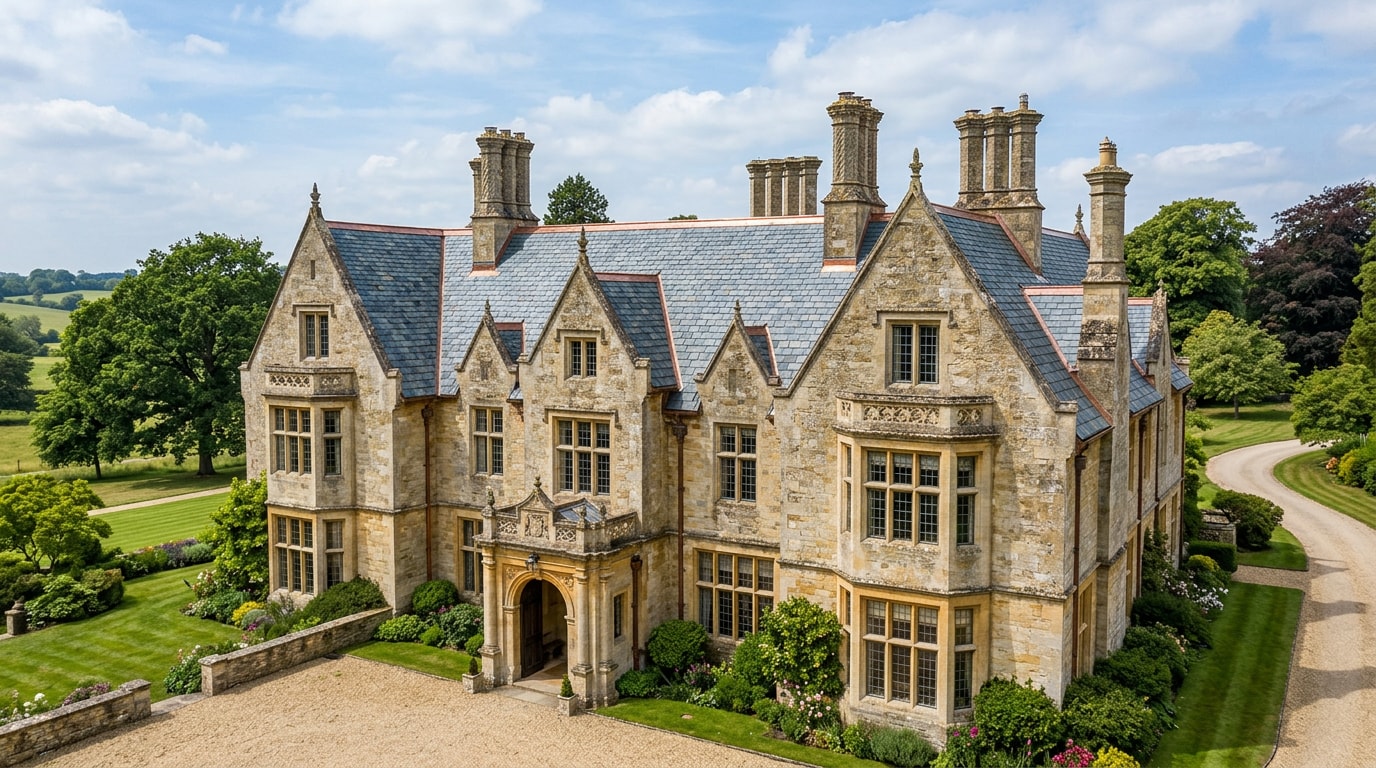
A single mishandled tile or improperly set flashing can let water into the deck for years before anyone notices. The National Park Service's Technical Preservation Services division, which studies historic roofing failures nationwide, notes that the installation and repair of slate roofs should be entrusted only to experienced slaters, since every effort should be made to replace deteriorated slate roofs with new slate and develop an effective maintenance and repair program . A properly installed slate roof can last 60 to 125 years or longer, which is exactly why the stakes of a bad installation stretch far beyond a typical repair inconvenience.
Along Colorado's Front Range, crews also contend with heavy spring snow load and hail on top of the usual slate challenges, so fastener choice and flashing detail matter even more than they would in a milder climate. A qualified slate roofer protects your slate roof investment for decades, not just until the next storm.
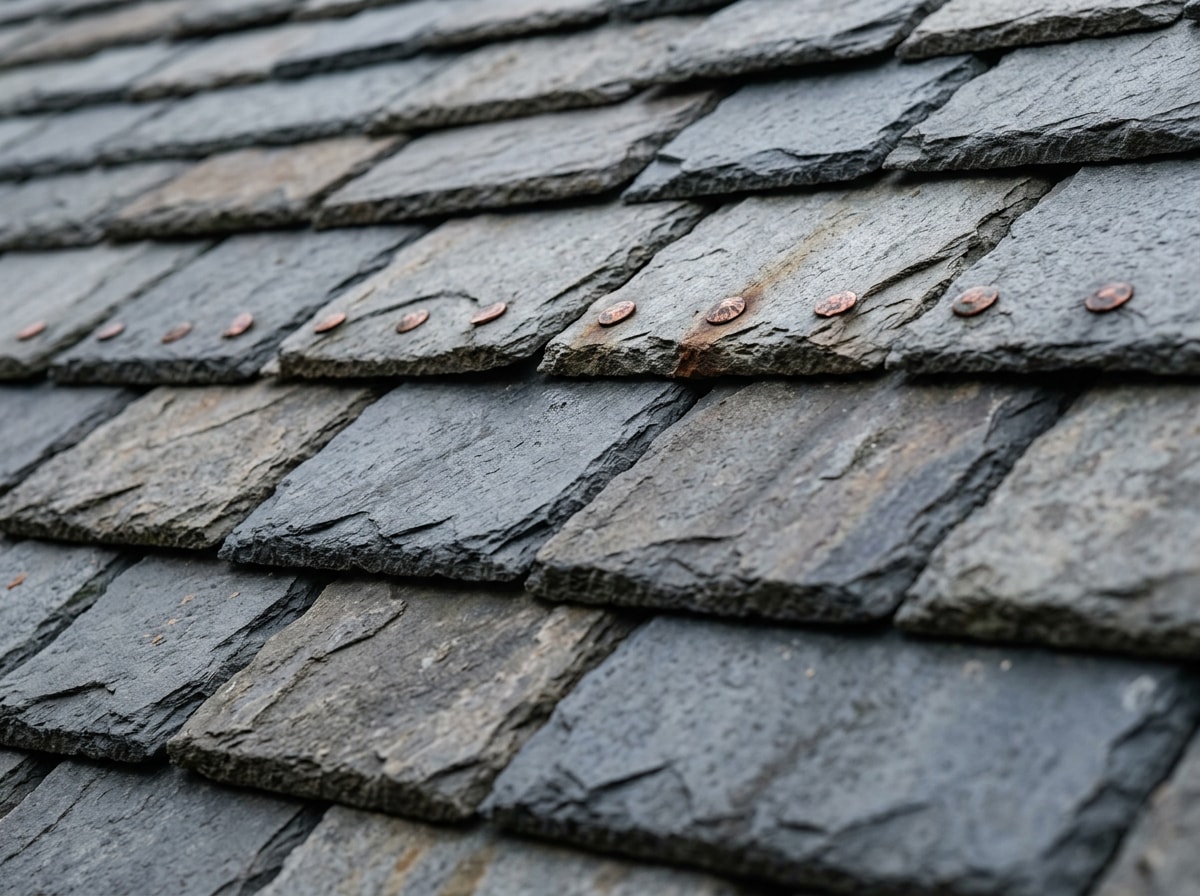
Before hiring anyone, it helps to understand the scope of work this trade actually covers. Reviewing Crestline Exteriors' residential roofing page is a good first step toward seeing what a specialized crew handles versus a general roofer, and the homepage outlines the rest of what the company covers.
How to Choose a Slate Roofing Contractor: Key Criteria
Vetting a slate roofing contractor comes down to a handful of concrete checks. Each one below addresses a different risk, from workmanship quality to financial protection if something goes wrong.
Proven Slate Experience and a Portfolio of Past Projects
General roofing experience doesn't automatically translate to slate competence. Ask directly how many slate roofs the crew has completed, not just how many years the company has existed overall.
A contractor with real slate roofing experience should have no trouble producing before-and-after photos of past slate work. If a company can only show asphalt shingle projects, that's a signal to keep looking for a true slate specialist with a proven track record.
Licensing, Insurance, and Bonding
Confirm the contractor holds a valid state contractor license and ask to see current certificates for liability insurance and workers' compensation. A bonded contractor also protects you financially if work is left incomplete or performed below code.
Steep-slope slate work carries serious fall risk. Under federal workplace safety rules, each employee engaged in residential construction activities six feet or more above lower levels must be protected by guardrail systems, safety net systems, or personal fall arrest systems , which is exactly the kind of protection a licensed, insured slate crew should already have in place. Skipping this check to save a few dollars on a quote isn't worth the liability exposure if someone gets hurt on your property.
Specialized Tools and Slate Material Knowledge: Natural vs. Synthetic
A genuine slate specialist uses purpose-built tools like slate rippers and slate hammers, and can explain honestly whether natural or synthetic slate fits your roof and budget.
| Factor | Natural Slate | Synthetic Slate |
|---|---|---|
| Cost per sq. ft. installed | $15 to $30 | $10 to $15 |
| Lifespan | 60 to 125+ years | 40 to 50 years |
| Structural weight | Heavy; may need deck reinforcement | Lightweight; fits standard framing |
| Repair complexity | Specialized, slower | More straightforward, faster |
Neither option is universally "better." A contractor who pushes one option without discussing your roof's structure and budget isn't giving you an honest recommendation.
Professional Association Membership (SRCA/NRCA)
Membership in a national slate trade group signals ongoing training and accountability to industry standards. The Slate Roofing Contractors Association of North America, for example, provides source lists of slate roofing contractors, roof slate suppliers, slate roofing tool sources, slate roof installation and repair guidelines, and slate roof training materials , and publishes installation guidelines that members are expected to follow.
Verifying membership through the association's directory takes a few minutes and confirms a contractor is keeping current with slate roofing standards, not just working from memory.
Questions to Ask Before Hiring a Slate Roofing Contractor
Bring a short interview checklist to every estimate appointment:
- Ask about hands-on experience with your specific slate type, age, and roof pitch, since older or steeper roofs demand different handling.
- Find out how the crew plans to access the roof without cracking surrounding tiles.
- Ask which fasteners and flashing materials they intend to use, and why.
- Confirm whether replacement slate will match the existing color and grade. A mismatched patch is a common sign of a rushed slate roof estimate.
- Ask for references from slate jobs completed in the last two to three years, not just older portfolio photos.
What a Slate Roof Inspection Should Include
A thorough slate roof inspection distinguishes cosmetic moss or algae growth from genuine structural problems like cracked tiles, slipped slates, or moisture intrusion into the deck. It should also include a look at accessible attic areas for staining or rot, not just a glance from the ground.
This kind of roof assessment should happen before any estimate is finalized, not after work has already started. A professional roof inspection can document conditions with photos so you have a clear baseline for comparing quotes, and our guide on what roofing inspections typically cost and cover walks through what to expect in more detail.
Slate Roof Repair Cost and Estimates
A legitimate estimate itemizes materials, labor, scope of work, and payment terms in writing. A suspiciously low bid that skips these details is often a sign of corners being cut later.
As of 2026, natural slate installation costs $15 to $30 per square foot, while synthetic slate comes in at $10 to $15 per square foot , with labor alone running roughly $75 to $150 per hour depending on the contractor's experience and location. Repairs are usually priced per slate replaced or by the hour rather than per square foot, since crews are patching isolated damage instead of covering an entire roof plane. These ranges vary by region and roof complexity, so treat them as a sanity check rather than a fixed quote.
Comparing a proposal against the full roof installation or roof repair scope of work helps confirm nothing was left out. Requesting a free estimate from a specialist gives you a real number to measure other bids against before you sign anything.
Warning Signs of a Poor Slate Roofing Contractor or Proposal
Watch for these red flags before a crew ever shows up on your property:
- Vague or verbal-only pricing with nothing in writing.
- A demand for full payment upfront before any work begins.
- Reluctance to answer questions about warranty coverage.
- Suggesting caulk or sealant as a structural fix for cracked slate.
- No documentation of the planned repair scope or materials.
If you spot more than one of these during an estimate, keep looking. A free estimate from a properly licensed crew costs nothing to compare against what you've already been quoted.
This guide was put together by the roofing team at Crestline Exteriors, serving Littleton, Denver, and the surrounding Front Range. Questions about a specific slate roof? Contact us directly.
FAQ
Why Is It Important to Find a Qualified Slate Roofer?
Slate roofing is a specialized craft that differs significantly from standard asphalt roofing. A qualified slate roofer protects your roof's longevity and prevents costly damage from inexperienced handling.
What Should I Look for When Hiring a Slate Roofer?
Check licensing, insurance, bonding, documented slate experience, and trade association membership. Use these as your core checklist before signing any contract.
How Much Do Typical Slate Repairs Cost?
Natural slate repairs commonly fall in the $15 to $30 per square foot range, depending on region, roof pitch, and material availability, though most crews price small repairs per slate or by the hour instead. Synthetic slate repairs usually cost less per square foot.
Is a Slate Roof Worth the Cost?
For homes built to carry the weight, yes. A correctly installed natural slate roof can outlast two or three asphalt roof replacements, which spreads the higher upfront cost over a much longer service life.
How Long Does a Slate Roof Last?
A well-installed natural slate roof typically lasts 60 to 125 years or more, depending on the slate grade and how well flashing and fasteners are maintained over time. Synthetic slate generally lasts 40 to 50 years.
Can a Damaged Slate Roof Be Repaired Instead of Replaced?
Usually. Isolated cracked, slipped, or missing slates can almost always be repaired without replacing the whole roof. Full replacement is typically only needed when the underlying deck has failed or when deterioration is widespread rather than isolated.
What Are the Signs That My Slate Roof Needs Professional Attention?
Watch for slipped or cracked tiles, rusted flashing, granule loss around chimneys, or interior water stains. If you notice these signs, request an estimate to get a professional opinion before small damage turns into a deck problem.