Seal Your Walls Against Wind and Weather
Siding Installation in Littleton for replacing worn siding and protecting home value during resale
Crestline Exteriors completes home siding installation in Littleton and Englewood when your existing siding has faded, cracked, or warped to the point that it no longer sheds water or insulates your walls. You invest in new siding when you want to improve curb appeal before listing your home, when hail has dented aluminum panels beyond repair, or when wood siding has rotted and threatens the sheathing underneath.
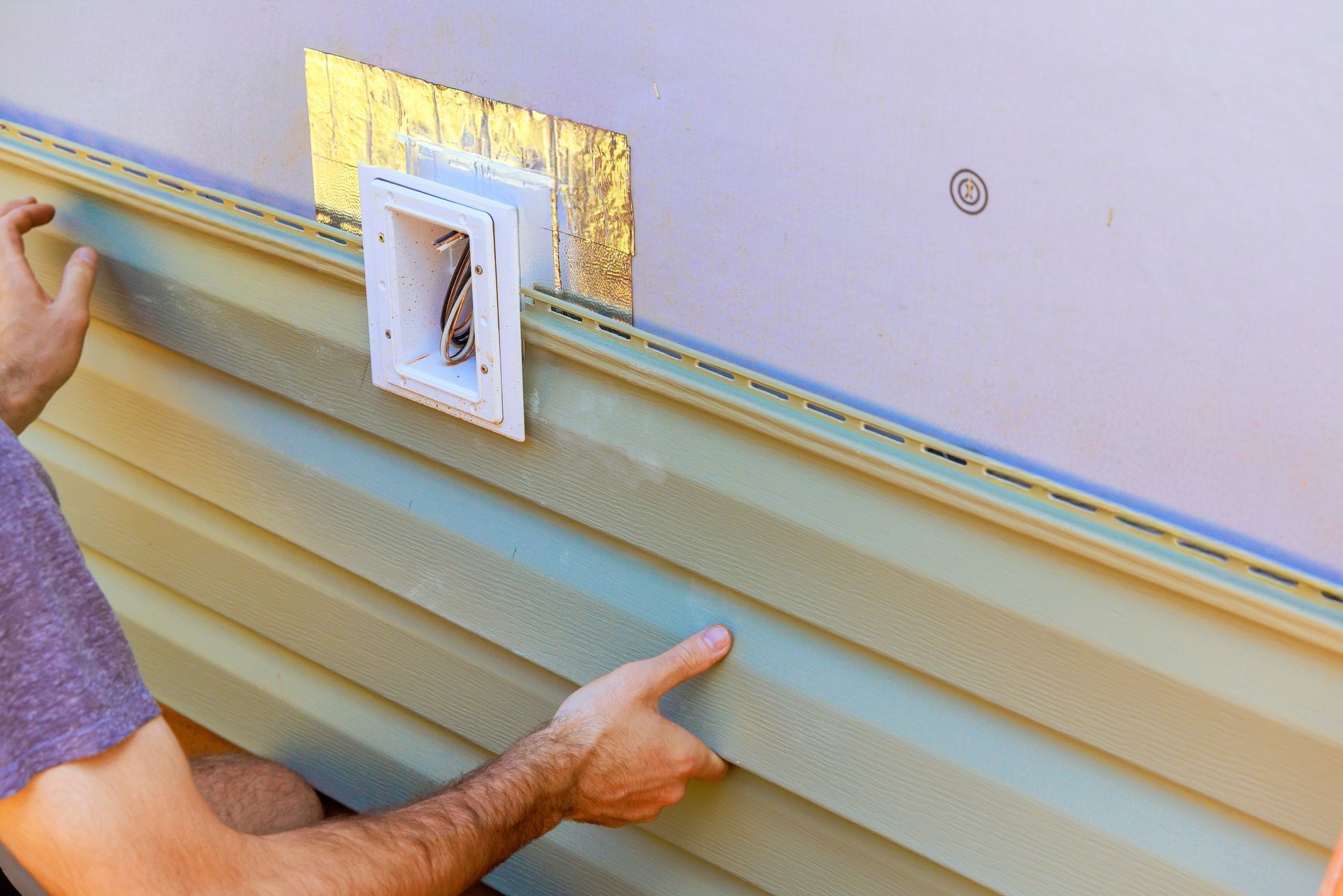
Vinyl siding installation involves removing old material, inspecting wall sheathing for damage, installing housewrap to block air infiltration, and fastening siding panels in overlapping courses that allow expansion and contraction without buckling. Fiber cement siding offers superior impact resistance and fire rating compared to vinyl, while composite siding options blend wood appearance with low-maintenance performance. Each material requires different fasteners, different trim details, and different care during installation to avoid cracking or improper drainage behind the panels.
You can request a siding installation estimate that includes material samples, color options, and a timeline that accounts for weather and the extent of trim and soffit work required.
What Changes After Siding Installation
Your home will have uniform color without faded streaks, no gaps where panels have pulled away from corners, and no water stains on interior walls caused by siding that no longer overlaps properly. The crew will replace rotted sheathing, install new corner posts and J-channel around windows, and caulk all penetrations so wind-driven rain cannot enter your wall cavities. Properly installed siding locks together without gaps, hangs straight without waves, and leaves a small space at the top of each panel to allow movement during temperature swings.
After Crestline Exteriors finishes the installation, you will notice lower heating and cooling costs if the project included new insulation or housewrap, no rattling during high winds, and a finished appearance that increases home value. Siding warranties cover material defects but require proper installation and periodic cleaning to remain valid.
New siding installation for homes often includes replacing fascia and soffit at the same time, since these components age at similar rates and accessing them requires the same scaffolding. Siding replacement services do not include structural repairs to framing or sheathing unless those items are added to the contract, so any discovered damage will require a change order before the crew can proceed.
What Homeowners Want to Know About Siding
These answers address material choices, installation details, and what to expect during and after the project.
How long does siding installation take?
Most single-family homes are completed in three to five days depending on the number of stories, the amount of trim work, and whether you are replacing windows or doors at the same time.
What is the difference between vinyl and fiber cement siding?
Vinyl is lighter, costs less, and installs faster, but fiber cement resists impact and fire better, holds paint longer, and does not warp or crack under hail strikes common in Littleton and Englewood.
When should you replace your siding?
You replace when panels are cracked or missing, when you see mold or rot on the sheathing beneath, or when fading and brittleness make the siding unable to protect your walls from moisture infiltration.
Why does siding installation improve home value?
New siding updates curb appeal, signals to buyers that the home is well-maintained, and eliminates concerns about hidden water damage or costly repairs that could delay closing.
Crestline Exteriors can walk you through material options, show you completed projects in your neighborhood, and provide references so you can see how new siding performs after installation and how the finished work holds up through Colorado weather.