Emergency roofing near me searches spike the moment a storm hits, because a damaged roof can flood an attic within minutes. Whether a branch just punched through your decking or shingles are peeling off in high wind, you need a licensed crew that actually answers the phone at 2 a.m. This guide covers what counts as a true roofing emergency, what a same-day repair costs in 2026, and how to vet a 24/7 contractor before you sign anything.
What Counts as a Roofing Emergency?
A roofing emergency involves active water intrusion, structural damage, or an immediate safety risk. Picture a hole letting rain into your attic, a tree branch through the decking, or shingles peeling back in high wind. A few worn shingles with no leak can usually wait for a scheduled repair instead of a midnight call.
Homeowners often ask whether a specific leak is urgent enough to act on right now. A leaking roof is an emergency when water is actively entering your home or posing a safety risk. That standard matters more than how alarming the stain looks from the ground.
Watch for these signs after any storm or high-wind event:
- Missing, cracked, or lifted shingles
- Granules collecting in the gutters or at downspouts
- Fresh water stains spreading across a ceiling
- Bent or torn flashing around chimneys, skylights, or vents
- Branches or other debris sitting on the roofline
If any of these show up, don't wait for the problem to spread. Request a free roof inspection so a professional can confirm whether you're looking at true emergency roof damage or a lower-priority fix.
Common Roofing Emergencies We Handle
Most emergency roofing calls fall into a handful of predictable categories. Storm damage tops the list, closely followed by active leak repair once water has already found its way inside. According to the Insurance Institute for Business & Home Safety, 70 to 90 percent of storm-related insurance claims involve roof damage , which is why insurers and contractors treat post-storm inspections as routine rather than optional.
Beyond storms, tree damage is its own category. A fallen limb can puncture decking, crack rafters, or tear off an entire section of roof in seconds. Wind damage usually shows up as lifted or missing shingles, while hail damage often looks minor from the ground, small dents and bruised shingles, but can quietly compromise waterproofing over time.
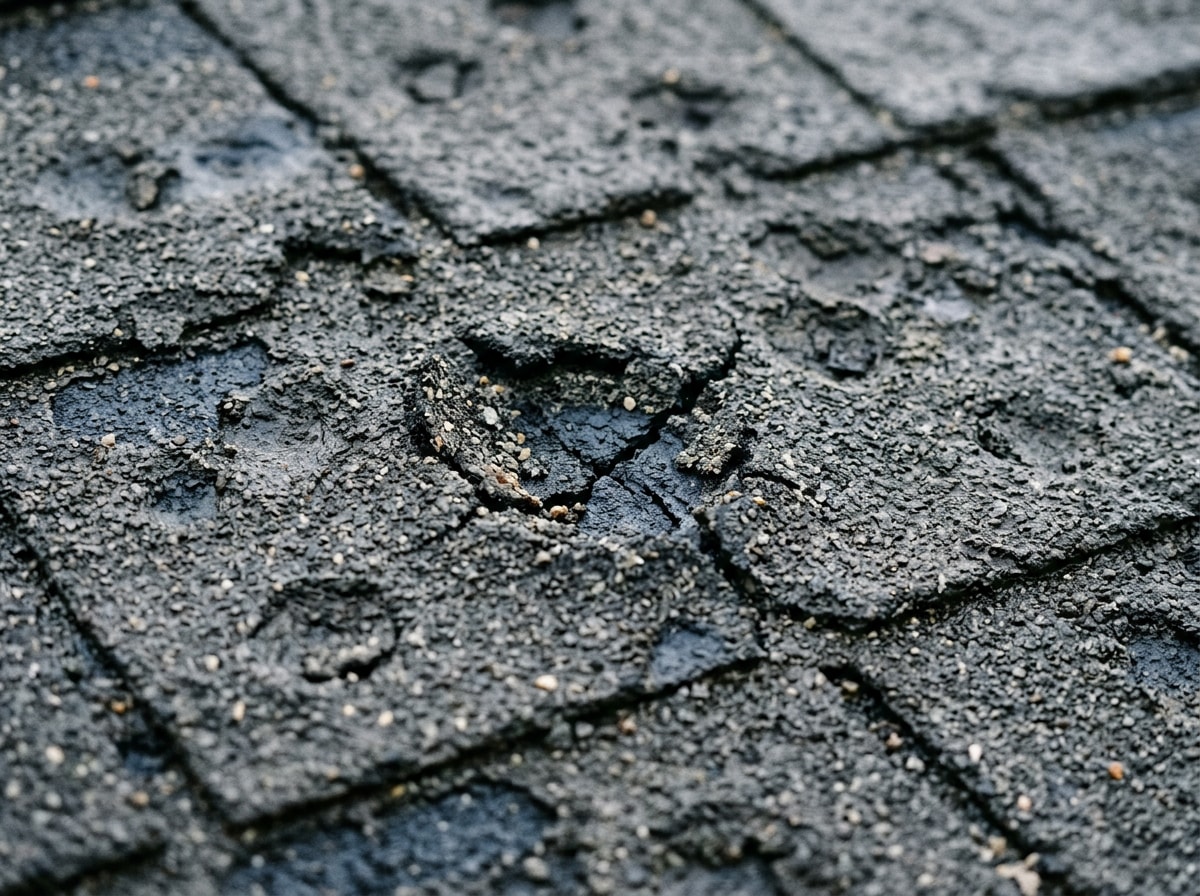
One pattern we see consistently across Jefferson, Douglas, and Arapahoe counties: most post-hailstorm emergency calls turn out to be cosmetic granule loss rather than an active leak. That's exactly why a same-day inspection often matters more than a same-day tarp in those cases. For a deeper breakdown of how adjusters evaluate wind and hail claims, see our storm damage roofing guide. Each of these problems belongs on an emergency roof repair call, not a standard maintenance schedule.
Emergency Roof Tarping: What It Does (and Doesn't Do)
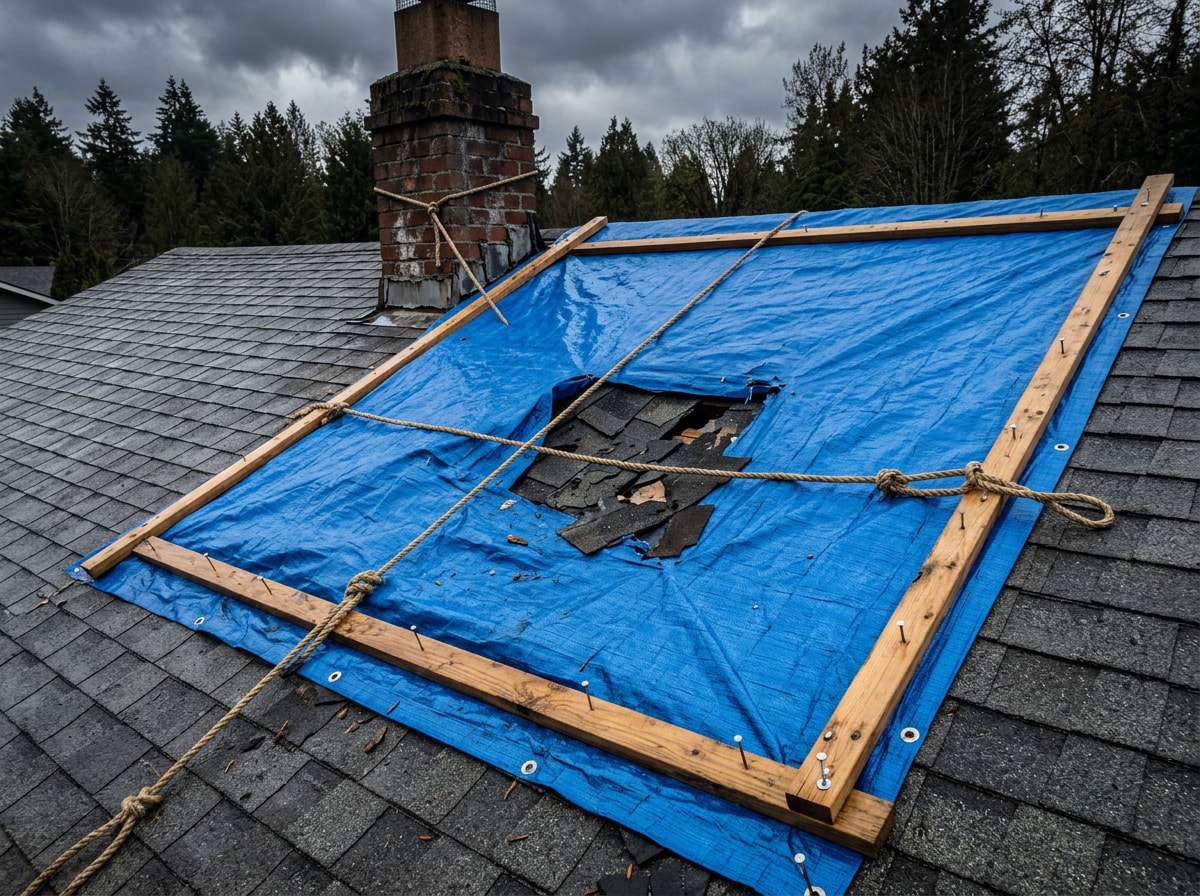
Emergency roof tarping is a temporary cover placed over damaged sections of a roof to block rain and wind until permanent repairs can begin. It's most valuable right after a storm or sudden shingle loss, especially when active rain rules out a full repair that same day.
A tarp buys time. It does not fix the underlying damage. Think of it as stabilization, not a repair, which is why a follow-up visit for permanent work is always part of the plan.
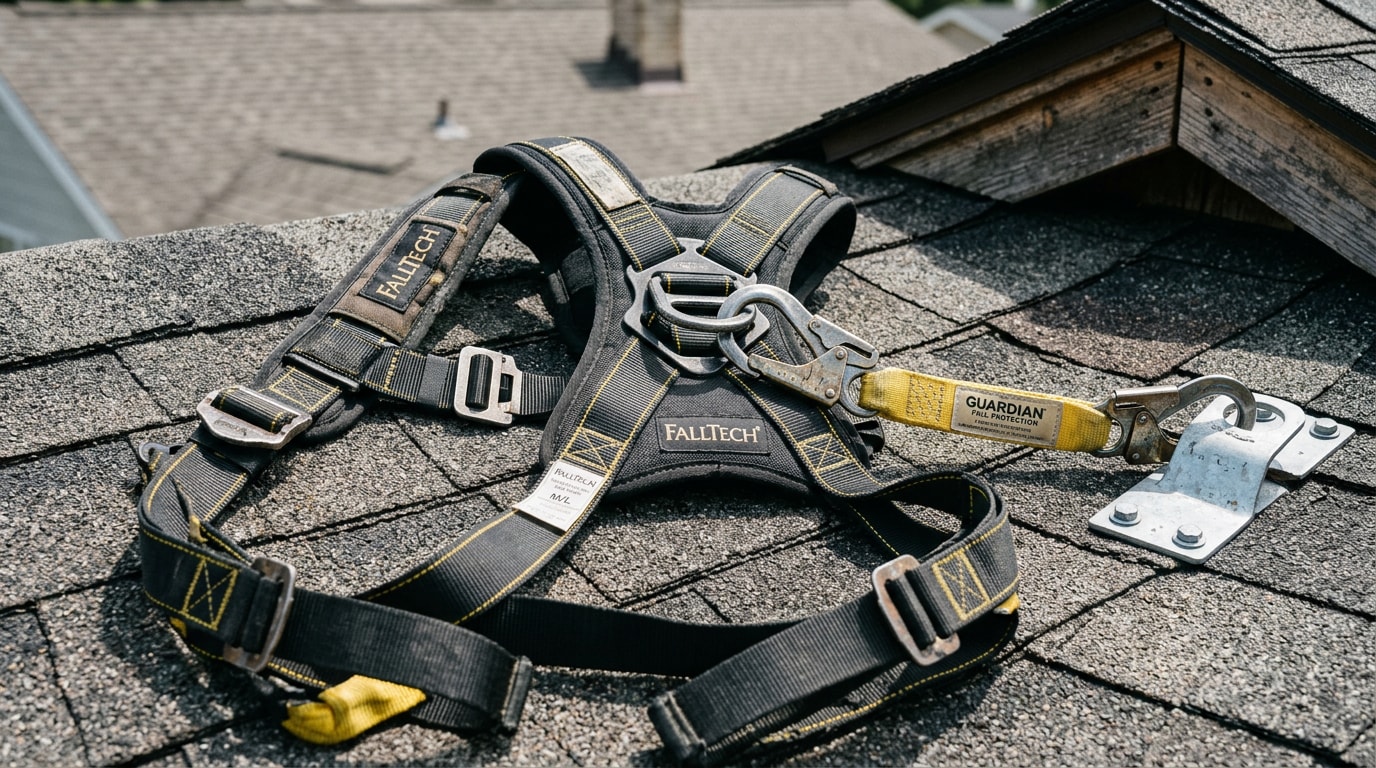
Climbing onto a wet, damaged roof yourself is genuinely risky. OSHA's fall protection standards require protection for workers exposed to falls six feet or more above a lower level , a threshold most residential roof edges exceed by a wide margin. Leave the tarp job to a crew with harnesses, anchors, and the training to use them correctly.
Step-by-Step Emergency Roof Repair Process
A typical emergency roof repair moves through five stages: safety check, temporary tarping, damage documentation, permanent repair, and a final quality review. Most reputable contractors follow this sequence whether the damage came from wind, hail, or a fallen tree.
Right after a storm, the sequence usually looks like this:
- Safety check — confirm there's no risk from downed power lines, unstable branches, or structural sagging before anyone goes near the roof.
- Interior inspection — check attics and ceilings for water stains or active drips, since leaks don't always show up where the damage started.
- Damage documentation — photograph everything from the ground and, once safe, from the roof itself. This record matters for any insurance claim you file later.
- Temporary tarping or sealing — cover exposed areas to stop further water intrusion.
- Professional repair plan — a full inspection and scope of work for the permanent fix.
Many emergency roofing companies also help coordinate the insurance side, since tarping, temporary repairs, and claims documentation usually happen together rather than as separate appointments. Get a free repair estimate so you have a clear scope before your adjuster visits.
What a Professional Roof Inspection Catches
A professional roof inspection checks shingles, flashing, vents, decking, and drainage up close. It catches small punctures, loosened seams, or weakened sealant that simply aren't visible from the ground or a quick photo.
Even a storm that didn't seem severe can loosen flashing or bruise shingles enough to cause a slow leak months later. A post-storm inspection isn't just for obvious damage, it's cheap insurance against problems you can't see yet. Schedule a roof inspection after any notable wind or hail event, even without a visible leak.
Emergency Roof Repair Cost in 2026
Emergency roof repair cost varies widely based on severity, and most contractors price emergency work differently than scheduled repairs. A simple shingle patch costs far less than tarping a large section, and both are cheaper than repairing structural decking damage from a fallen tree.
| Damage Severity | Typical Cost Range* |
|---|---|
| Minor patch (few shingles) | $150 – $600 |
| Emergency tarping | $300 – $1,500 |
| Major/structural repair | $1,500 – $10,000+ |
*Ranges are general estimates and vary by region, roof size, and material. Always get a written quote before work begins.
Expect an after-hours or weekend premium on emergency calls compared to a daytime, scheduled repair. The National Roofing Contractors Association is one of the construction industry's most respected trade associations and the leading authority in the roofing industry for information, education, technology and advocacy , and its published technical resources are a useful benchmark when comparing quotes. If a bid seems unusually low for emergency work, ask exactly what's included before you sign.
How to Choose a 24/7 Emergency Roofing Contractor
Look for a contractor that's licensed and insured, answers calls around the clock, and can show proof of both before work starts. Response speed matters, but so does workmanship, since a fast patch that fails in the next storm isn't a bargain.
Beyond licensing, weigh these factors:
- Experience with your local climate and building codes
- Quality of materials used for temporary and permanent repairs
- Clear, upfront pricing before work begins
- Whether the crew actually services your address, not just your zip code on a lead form
A genuine 24/7 roofing company should be the same reliable option whether you call at noon or 3 a.m. Check service areas and company background before you call, so you know you're reaching a crew that works in your neighborhood and not a lead-generation middleman. Crestline Exteriors and other licensed roofing contractors in the Denver metro should be able to confirm licensing and insurance on the spot.
Crestline Exteriors crews handle emergency roof calls throughout the Denver metro, including Littleton, Aurora, and Highlands Ranch, and every tarp-and-repair job includes photo documentation for your insurer. Contact us any time, day or night, for a free estimate.
FAQ
What Is the Typical Response Time for a Roofing Contractor?
Most emergency roofers offer 24/7 service and aim to respond within a few hours of your call. Actual timing depends on current weather conditions, how many other calls are coming in, and your distance from the contractor's base.
Is a Leaking Roof Always an Emergency?
No. A slow, isolated drip that doesn't threaten electrical systems or structural framing can usually wait a day or two for a scheduled repair. Active water entering your living space, a sagging ceiling, or water near wiring or outlets should be treated as urgent every time.
Do I Need to Replace or Just Repair My Roof?
A licensed contractor decides between repair and replacement based on your roof's age, condition, and the extent of the damage. Watch for missing or cracked shingles, active leaks, or sagging sections, and treat any roof over about 20 years old as a candidate for a full inspection before deciding.
How Long Does It Take to Complete an Emergency Roof Repair?
Most emergency roof repairs are completed within one to a few days, depending on how extensive the damage is, material availability, and whether weather allows safe access to the roof. Larger structural repairs can take longer.
Does Homeowners Insurance Cover Emergency Roof Repairs?
Homeowners insurance may cover roof damage under your policy's dwelling coverage, minus your deductible, if it was caused by a covered peril, such as a windstorm or fire.
It generally doesn't cover roof damage caused by wear and tear, neglect, animals, flooding, or earthquakes. Always confirm specifics with your own policy and adjuster before assuming coverage.
What Should I Do While Waiting for the Roofer to Arrive?
Move valuables away from the leak, place a container to catch dripping water, and avoid going onto the roof yourself. If water is near outlets, switches, or light fixtures, shut off power to that area at the breaker box before doing anything else.