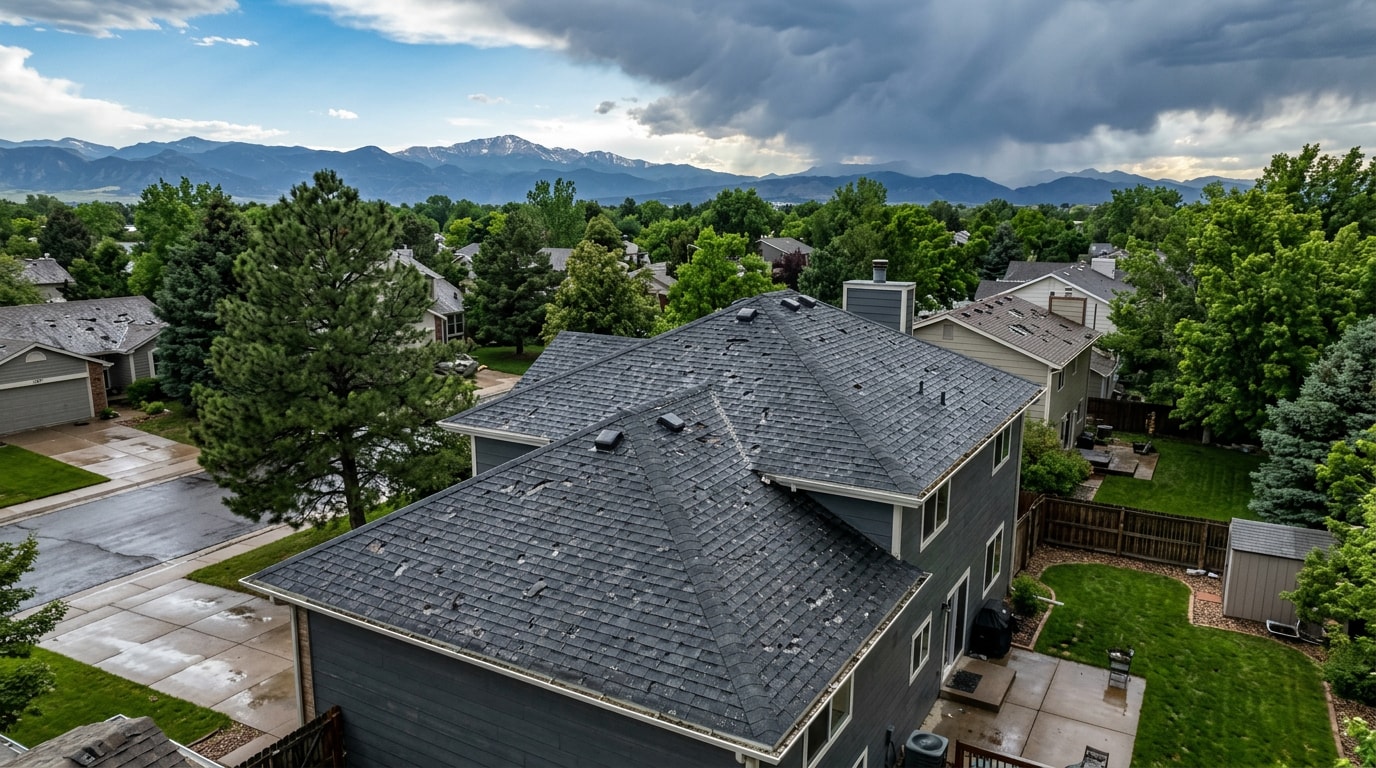
Storm damage roofing problems can turn a sound roof into a liability in the space of one afternoon thunderstorm. Colorado's Front Range sits in one of the most hail-prone corridors in the country, so most homeowners here will file at least one roof claim while they own their house. This guide breaks down what actually causes the damage, how to spot it before it spreads, and how to get a fair insurance settlement without getting taken by a storm chaser.
What Causes Storm Damage to a Roof?
Most roof storm damage traces back to a handful of repeatable mechanisms: wind, hail, falling debris, and prolonged water exposure. Knowing which one hit your roof shapes both the repair approach and the conversation you'll eventually have with your insurer. Severe weather rarely comes from just one source. Storms often combine two or three of these forces at once.
Wind Damage
High wind roof damage happens when gusts get underneath a shingle's edge and create lift, known as shingle uplift. This breaks the adhesive seal that holds shingles flat. Once that seal fails, the shingle can crack, tear loose, or blow off entirely during the next gust.
Wind speed roughly predicts severity, though roof age and installation quality matter too. The National Weather Service classifies a thunderstorm as severe once it produces a tornado, winds of at least 58 mph, and/or hail at least 1 inch in diameter , and a storm with winds of 40 mph or hail of at least half an inch is already classified as approaching severe .
| Wind Speed | NWS Classification | Typical Roof Impact | Inspection Urgency |
|---|---|---|---|
| Under 40 mph | Routine | Minimal risk to a sound, well-installed roof | Seasonal check only |
| 40–57 mph | Approaching severe | Possible lifting on already-loose or aging shingles | Inspect within a week |
| 58–74 mph | Severe thunderstorm threshold | Torn tabs, granule loss, exposed underlayment | Inspect within 48 hours |
| 75+ mph | High wind warning / hurricane-force | Multiple shingles or full sections removed | Immediate professional inspection |
Hail Damage
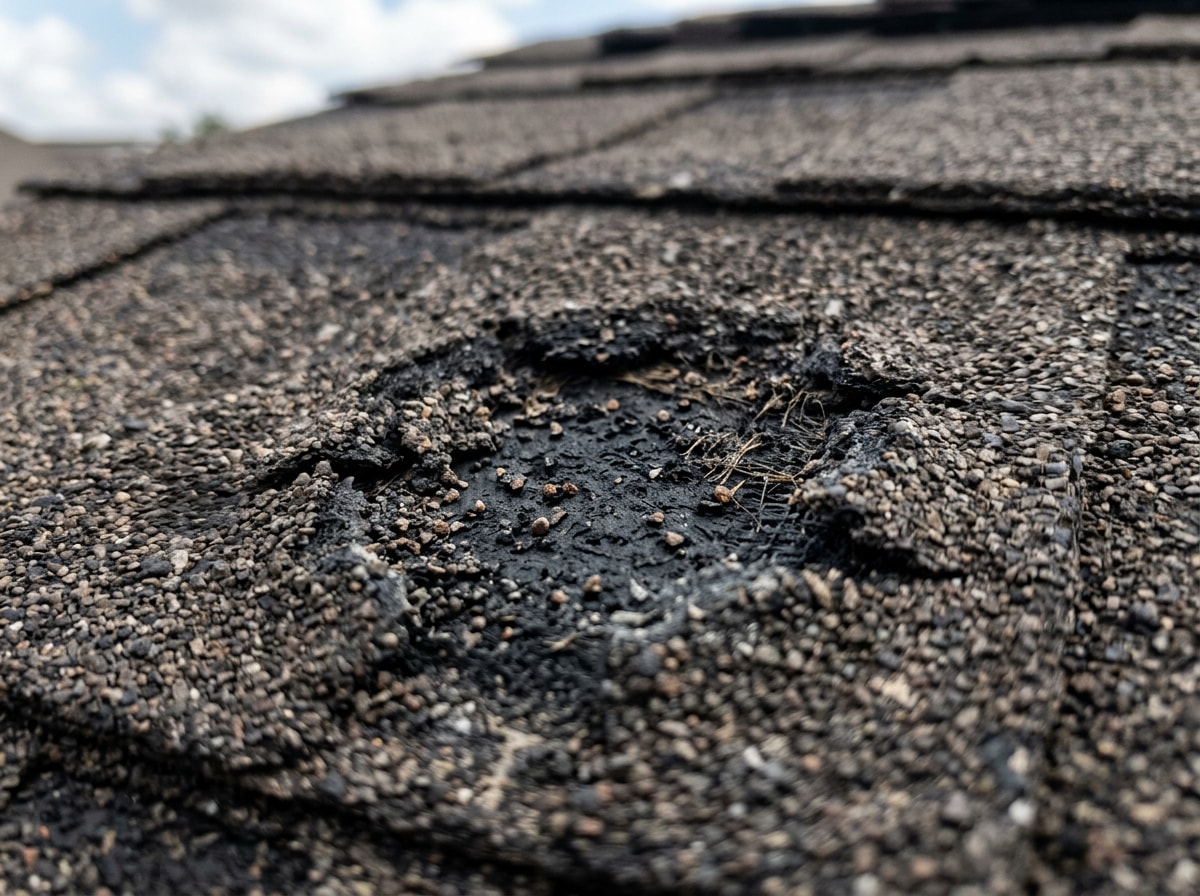
Hail damage roof indicators include granule loss, which shows up as bald, shiny patches on shingles or as dark grit collecting in gutters and at downspout outlets. Walking the perimeter and checking the ground below your gutters is often the fastest way to catch this without climbing anything.
Roof caps, ridges, and any raised edges take the brunt of hail impact because they meet the stone at a sharper angle. Nationally, hail can cause billions of dollars of damage to structures, crops and livestock every year, which underscores how routine an insurance issue it has become for roofers and carriers alike.
Why Colorado Roofs Take an Extra Beating
If you live along the Front Range, storm damage roofing isn't a rare event; it's a seasonal expense you should plan around. Colorado's Front Range sits in the heart of "Hail Alley," which receives the highest frequency of large hail in North America, and residents can usually count on three or four catastrophic hailstorms every year that cause property damage . Over the past decade, hailstorms alone have caused more than $5 billion in insured damage across Colorado .
That frequency is exactly why Colorado passed consumer protections most other states don't have. Colorado Senate Bill 38 makes it illegal for a roofing contractor to pay, waive, or rebate a homeowner's insurance deductible as an incentive to sign a contract. Any Denver-area roofer who offers to "cover your deductible" is describing a crime, not a discount.
At Crestline Exteriors, our crews inspect roofs across Littleton, Denver, Highlands Ranch, and Castle Rock after nearly every major hailstorm season, and the pattern is consistent: the homes that skip a post-storm inspection almost always end up with a larger, more expensive claim a year or two later once a small breach turns into a slow leak.
Signs of Roof Storm Damage
Some signs of roof storm damage are obvious the moment you step outside. Others hide inside the attic for weeks before a ceiling stain finally gives them away.
Exterior Warning Signs
- Missing, cracked, or curled shingles
- Granule loss visible in gutters or on the ground below downspouts
- Dented gutters, vents, or flashing
- Lifted shingle tabs that snap back into place but leave a broken seal underneath
- Fallen branches, debris, or neighbors' roofing material in the yard
Interior & Attic Warning Signs
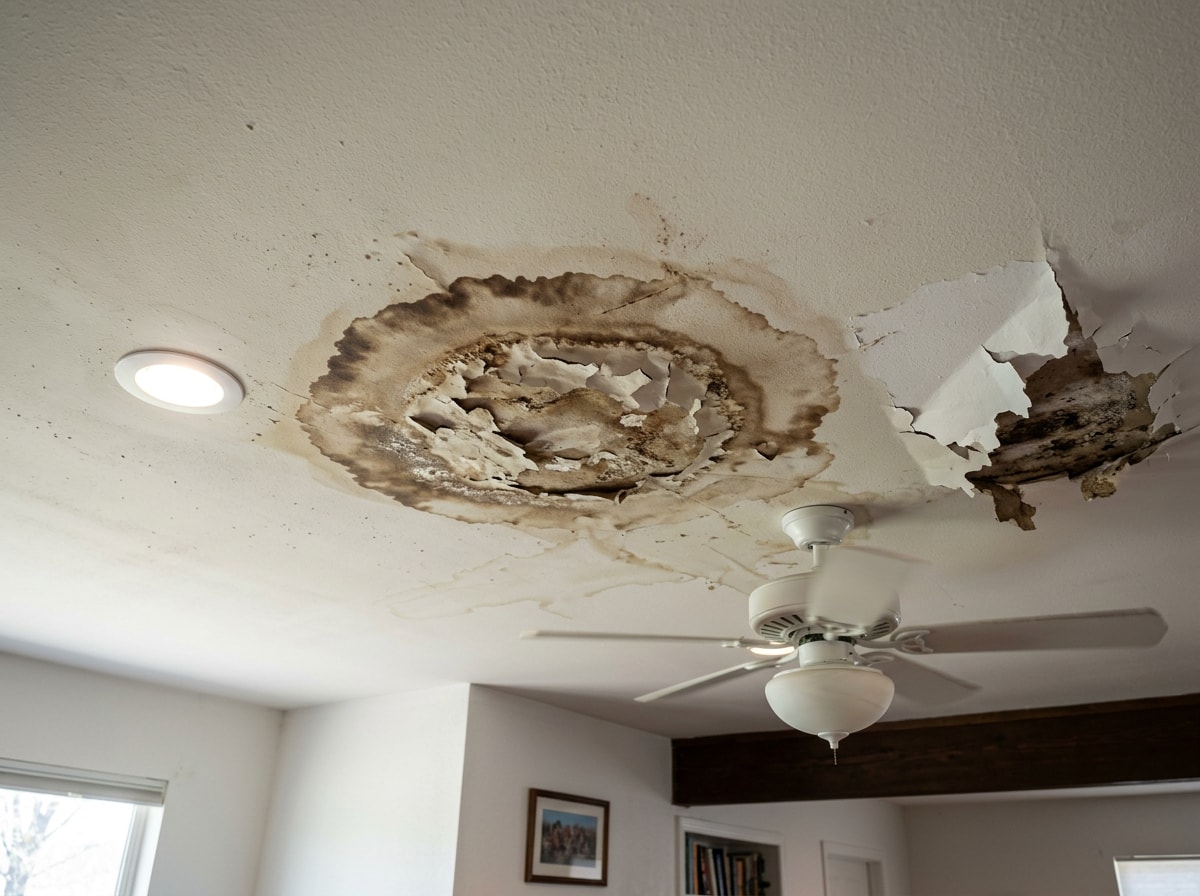
The clearest sign of hidden roof damage is often indoor, not outdoor. Grab a flashlight and check the attic for damp insulation, dark streaking on rafters, or daylight coming through the decking.
Ceiling water stains on the floor below the attic are another dependable clue, especially if they appear shortly after a storm rather than gradually. Excessive interior moisture by itself can indicate storm damage even when the shingles look fine from the ground, since wind-driven rain can find gaps that aren't visible from a normal vantage point. An attic leak after storm activity tends to worsen with each subsequent rain, so don't wait for it to dry out on its own. If water is actively coming through, an emergency roof repair) to stop the intrusion should happen before anything else.
How to Inspect Your Roof After a Storm
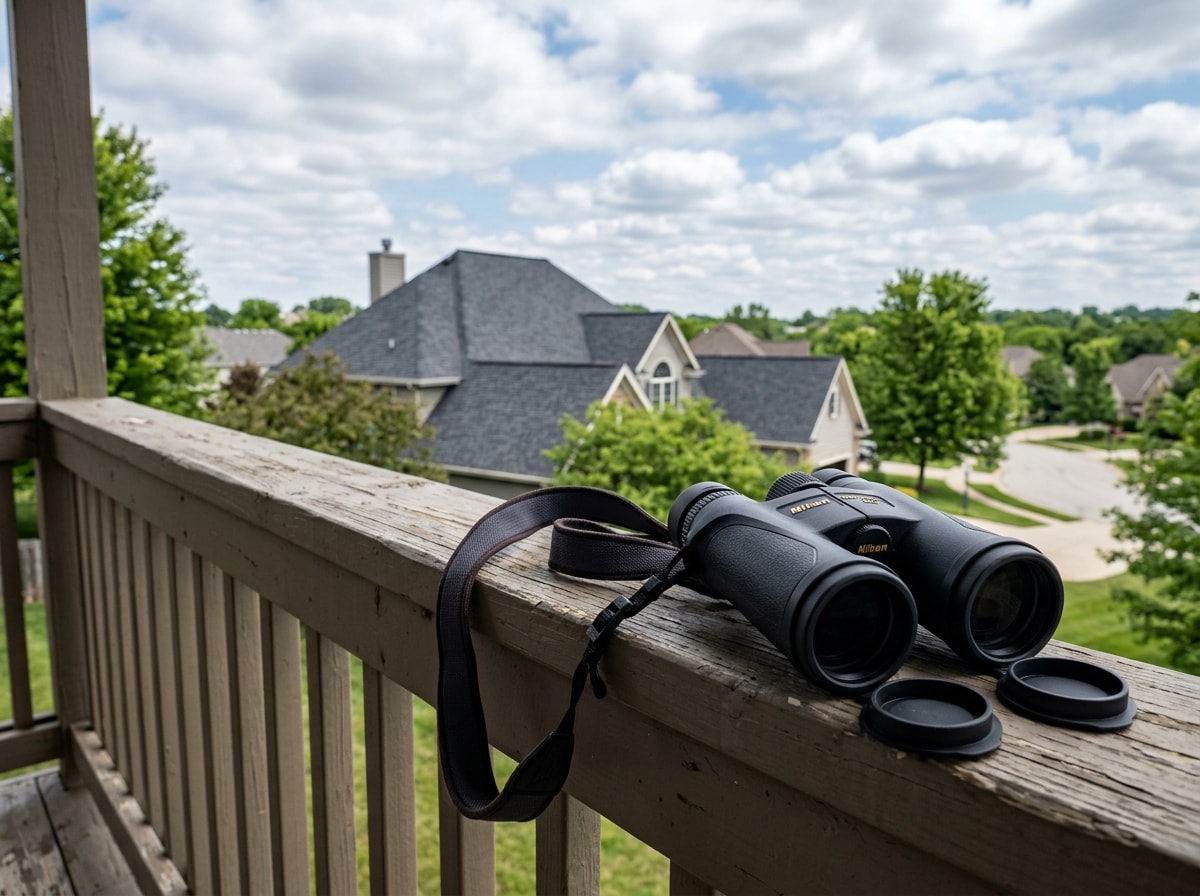
Start with a safe, ground-level walkaround rather than climbing up. Use binoculars or a phone camera zoomed in from an upstairs window to scan for missing shingles, lifted tabs, dented gutters, and displaced flashing. Walk the yard too. Fallen limbs, dented fence tops, or dinged patio furniture are strong indirect evidence of the same forces that hit the roof.
This is a screening step, not a full diagnosis. Some damage, like hail bruising beneath the shingle surface, is invisible without a trained eye and specialized tools. A basic checklist covers gutters, vents, skylights, and chimney flashing, but a professional roof inspection goes further and checks the underlayment and decking condition.
Storms hit siding and windows too, not just shingles. If hail dented your gutters, it's worth a quick siding inspection at the same time so you're not filing a second claim a month later.
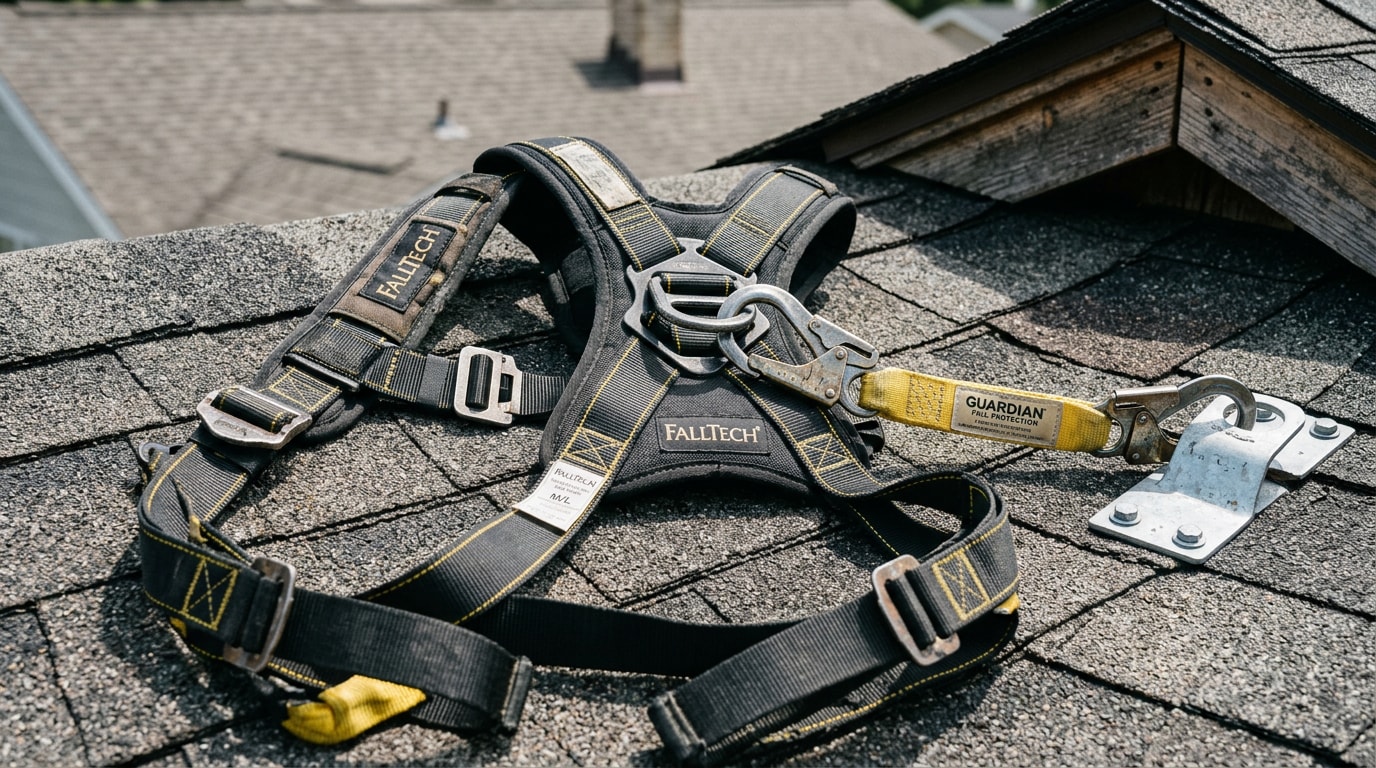
One firm rule applies regardless of experience level: never climb onto a wet or storm-damaged roof. Slick, compromised surfaces are a leading cause of fall injuries after severe weather. Schedule a professional inspection instead of risking a DIY climb.
Repair vs. Replacement After Storm Damage
Deciding between roof repair and replacement usually comes down to how much of the surface is affected and how old the roof already was before the storm hit. As a general rule of thumb, repair tends to make sense when damage covers less than roughly 30% of the roof and the roof is under about 12 to 15 years old. Replacement becomes the standard recommendation once damage exceeds roughly 40% or the roofing material is already near the end of its expected lifespan.
These percentages are industry guidelines, not fixed rules. Insurers frequently apply their own repair-vs-replace thresholds, and those can differ from what a contractor recommends.
| Factor | Favors Repair | Favors Replacement |
|---|---|---|
| Damage extent | Under ~30% of surface | Over ~40% of surface |
| Roof age | Under 12–15 years | Near or past expected lifespan |
| Material match | Discontinued shingle still available | Original shingle no longer manufactured |
| Cost ratio | Repair cost well under 50% of full replacement | Repair cost approaches replacement cost |
When a roof sits in the gray zone between these numbers, get a second opinion before committing either way. A detailed estimate from a roof repair or roof replacement specialist should spell out which factors pushed the recommendation one direction or the other. If you're comparing quotes, our roofing cost per square guide breaks down what drives pricing differences between contractors.
Documenting and Filing an Insurance Claim
Photograph and video every visible sign of damage before any repairs begin, including wide shots of the whole roof and close-ups of specific problem areas. Log the date and approximate time of the storm, and save any local news coverage or National Weather Service reports confirming the event. This becomes your paper trail if the adjuster questions the cause.
File the claim promptly rather than waiting until near the end of your policy's filing window. The Colorado Division of Insurance advises homeowners to call their insurance company or agent and begin the claim process as soon as possible after storm damage occurs, and to contact the Division directly if you have trouble reaching your carrier. Delayed claims can also raise questions about whether the damage happened during a different, unrelated event, which matters in a region that sees several hailstorms a season.
Meet the adjuster on-site with your contractor whenever possible. A written scope of damage from a licensed roofer carries more weight than a verbal description, and it gives you something concrete to compare against the adjuster's own estimate before you sign off on a settlement.
How to Avoid Storm Chasers and Contractor Scams
After any major storm, out-of-town crews follow the damage looking for quick work. Knowing the red flags protects both your roof and your insurance claim.
A storm-chaser scam often starts with unsolicited door-knocking within 24 to 72 hours of a storm, paired with pressure tactics claiming your roof "won't survive another storm" without an immediate signature. Other red flags include demands for large upfront cash deposits and offers to cover your insurance deductible. As noted above, that offer is illegal under Colorado Senate Bill 38 , not a discount, and any contractor making it is telling you exactly how they operate.
Verify a roofing contractor's credentials before signing anything: confirm a physical local address, an active Colorado license, and proof of insurance. Choosing an established, licensed local roofer for regular inspections is typically safer, and cheaper in the long run, than a rushed hire from a stranger's truck. Our roofing contractor team has a genuine, verifiable presence across the Denver metro, and you can get a free estimate before committing to any repair or replacement work.
Learn more about what a standing seam metal roof costs and how it holds up to hail if you're considering a more storm-resistant material for your next replacement.
Ready to get your roof checked before the next storm rolls through the Front Range? Visit Crestline Exteriors to schedule an inspection or request a free estimate today.
FAQ
Does homeowners insurance cover storm damage to a roof?
Most standard homeowners policies cover wind and hail damage as named perils, subject to your deductible, the roof's age, and its maintenance condition. Older or poorly maintained roofs sometimes face reduced payouts or exclusions. Review your policy and the documentation steps above before filing to strengthen your claim.
How soon should I inspect my roof after a storm?
A ground-level inspection within 24 to 48 hours after a storm passes is generally recommended, as long as conditions are safe. Never climb onto a wet or storm-damaged roof yourself. Leave that portion to a professional with proper safety equipment.
How do I know if I need a roof repair or a full replacement after storm damage?
It depends mainly on how much of the roof surface is damaged and how old the roofing material already is. Refer to the repair-vs-replacement comparison above. Generally, damage under 30% favors repair, while damage over 40% or an aging roof favors replacement.
What does roof storm damage look like?
Exterior signs include missing or curled shingles, dented gutters, and visible granule loss. Interior signs include ceiling water stains, damp attic insulation, and musty odors that appear after a storm. Both types are covered in detail in the sections above.
How long do I have to file a storm damage claim in Colorado?
Policies vary, but insurers expect notice "as soon as practicable," and waiting too long can complicate a claim if there have been multiple hailstorms in your area since the damage occurred. Contact your carrier or the Colorado Division of Insurance right away and keep dated photos as proof of when the damage happened.
Can a roofing contractor waive my insurance deductible?
No. In Colorado, it's illegal for a roofing contractor to pay, waive, or rebate your deductible under Senate Bill 38. Any contractor offering this is asking you to participate in insurance fraud, and it's one of the clearest signs of a storm-chasing scam.