If you're searching for rubber roofing contractors near me, you're probably staring at a leak, a ponding spot, or a flat roof that's simply aged out. This guide breaks down what "rubber roofing" actually means, how to vet a contractor before they ever touch your roof, and what the job should realistically cost in 2026.
EPDM vs. TPO vs. PVC: What "Rubber Roofing" Actually Means
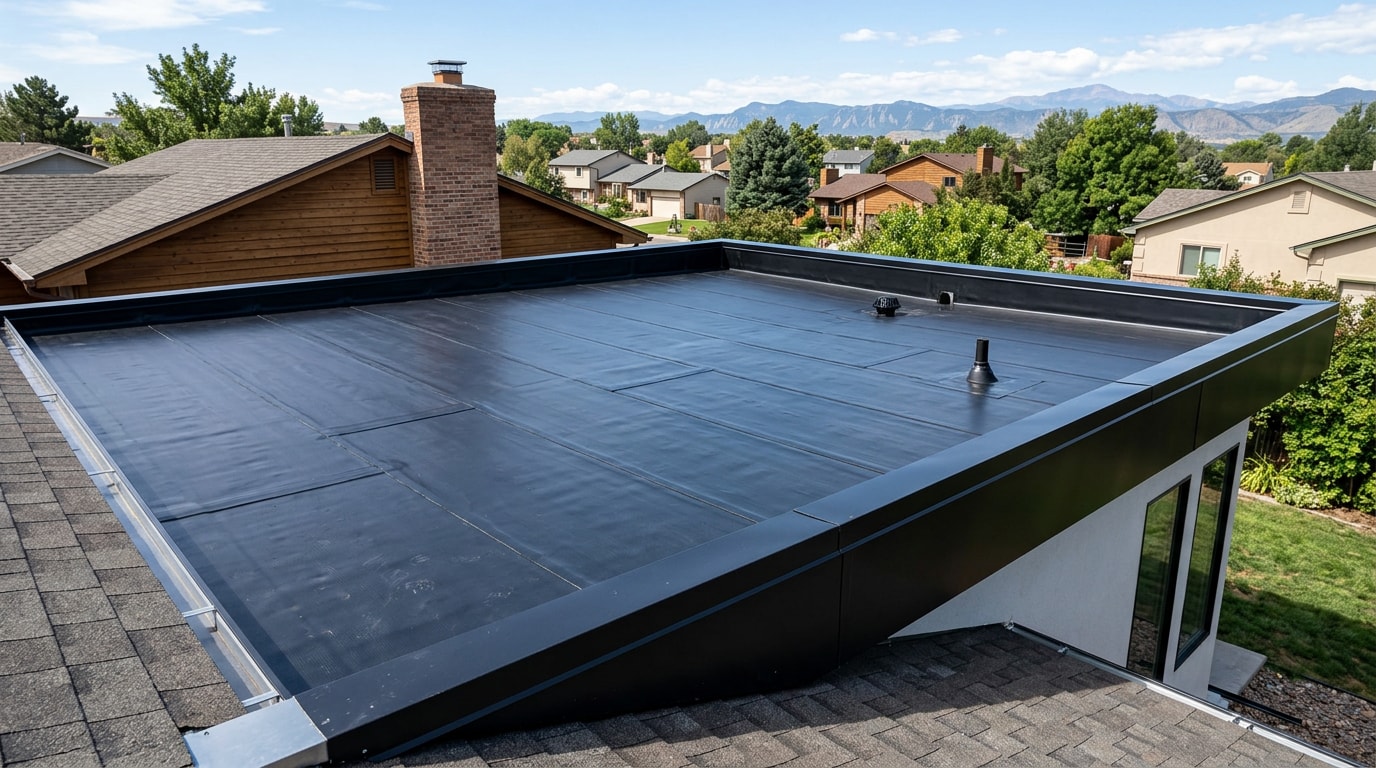
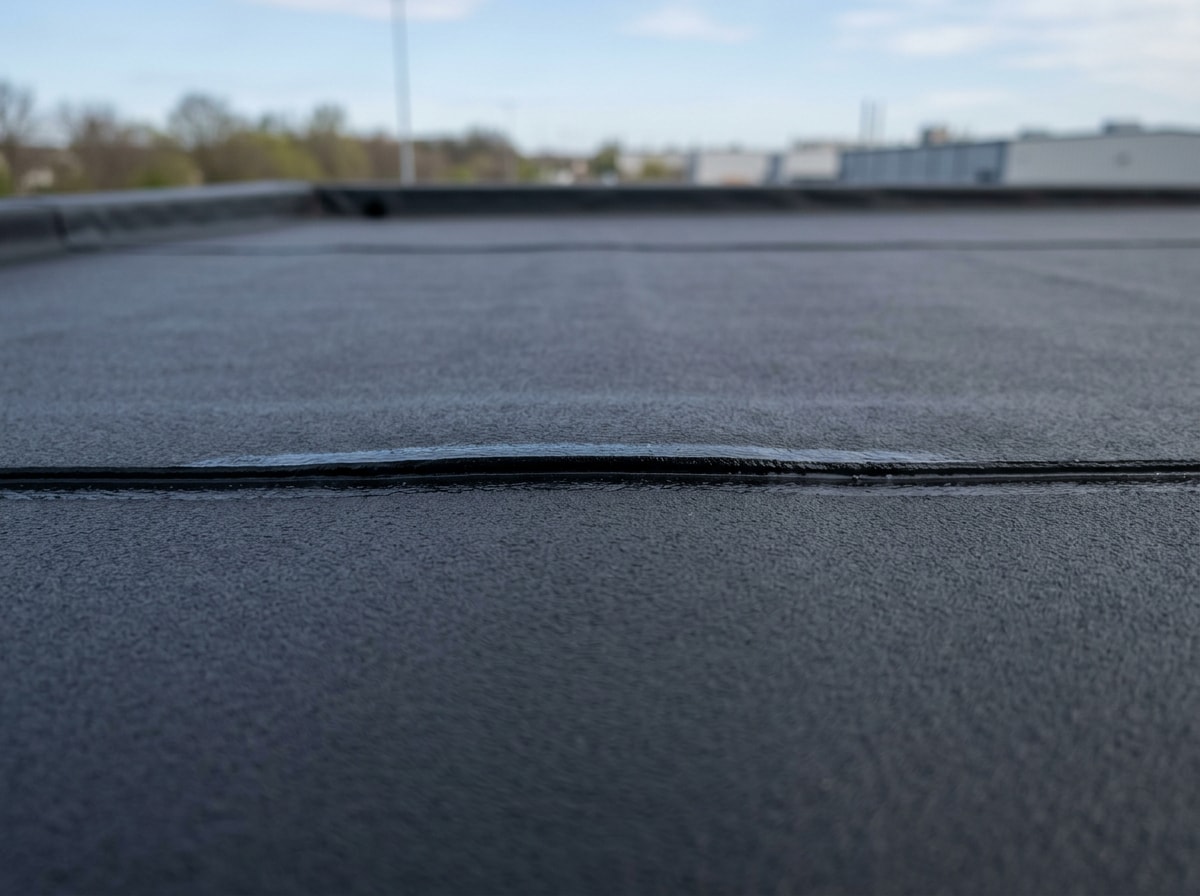
EPDM (ethylene propylene diene terpolymer) is the material most people mean when they say "rubber roof." It's a synthetic rubber membrane built for flat and low-slope roofs, prized for flexibility and long-term durability.
Here's the catch: not every contractor who shows up to quote a "rubber roof" is actually proposing EPDM. TPO and PVC are single-ply membranes that get lumped into the same casual conversation, even though they're different chemistries with different price points and different installation rules.
That distinction matters when you're comparing bids. If a proposal doesn't name the membrane type, ask directly. A contractor who can't tell you whether they're quoting EPDM, TPO, or PVC probably hasn't specified the job carefully.
How to Vet Rubber Roofing Contractors Near You
Searching "rubber roofing contractors near me" usually returns a long list of similar-looking names and wildly different quotes. Three things separate a real specialist from a generalist who occasionally touches a flat roof: the questions they answer, the paperwork they carry, and the code knowledge they demonstrate.
Questions to Ask Before You Sign Anything
A contractor with real EPDM experience will answer these without hesitation:
- How many EPDM roofs have you installed in the past two years?
- Will you inspect the deck and insulation for hidden moisture before finalizing a price?
- Which attachment method (fully adhered, mechanically fastened, or ballasted) fits my roof's slope and wind exposure, and why?
- Does your written proposal break out insulation, fasteners, flashing, and membrane thickness, or does it just list one line item and a number?
That last point is where a lot of homeowners get burned. Two quotes can both say "EPDM roof, $9,500" and describe completely different assemblies underneath.
Verify License, Insurance, and EPDM-Specific Experience
A roofing license confirms a contractor understands your local building codes and can deliver a code-compliant installation. Skipping this check is how homeowners end up with improperly fastened membranes or drainage mistakes that surface as leaks within a year.
Ask for proof of active insurance, not just a verbal assurance. Then ask specifically how many flat-roof or EPDM jobs the crew has completed recently. A company that mostly installs asphalt shingles and occasionally touches a flat roof isn't the specialist you want for this job.
A licensed, insured roofing contractor should be able to produce this documentation before you sign anything, not after.
Confirm They Know Your Local Codes and Climate
Local codes and permitting requirements vary by city, and pulling a permit isn't paperwork for paperwork's sake. It's what triggers the inspections confirming your membrane meets wind-uplift, fire, and drainage standards for your area. The International Code Council's model building code sets the roof-covering baseline that most municipalities adapt, and it's worth a quick skim before your inspection so you know what the inspector will check.
A contractor who pulls permits regularly in your city already knows the inspector, the typical turnaround, and which sections apply to a re-roof versus new construction. That familiarity alone can save weeks on a project timeline.
Why Local Experience Changes the Outcome
Along Colorado's Front Range, we've watched hailstorms track out of the foothills and hit flat commercial roofs and residential additions within the same afternoon, followed weeks later by a freeze-thaw cycle that finds every weak seam a rushed installer left behind. That combination is exactly why "near me" matters more than convenience.
In a high-wind or hail-prone climate, installers often lean toward fully adhered EPDM systems that resist uplift during storms. In a snow-load-heavy climate, priorities shift toward reinforced membranes and drainage design that survive repeated freeze-thaw cycling without seam failure. A contractor unfamiliar with your specific climate might default to whatever worked on their last job three states away, not what your roof actually needs.
EPDM Rubber Roofing Benefits and Real Lifespan Data
EPDM's biggest selling point is longevity. A 2025 industry survey of 569 roofing professionals, combined with lab research from the EPDM Roofing Association, found that properly installed and maintained EPDM membranes routinely deliver well over three decades of service, with plenty of installations still performing past 40 or even 50 years. That's a meaningfully longer real-world track record than the "25 to 30 years" figure you'll see repeated across most rubber roofing content, and it's backed by field data rather than a manufacturer's marketing brochure.
Real-world results still depend heavily on installation quality, attachment method, and whether you schedule periodic inspections. EPDM also resists cracking, UV degradation, and ponding water better than many asphalt-based alternatives.
Color matters for energy performance too. Reflective, light-colored EPDM sheds more solar heat than dark membranes, which the EPA's heat island research links directly to lower summertime cooling demand in warm climates.
Benefits for Commercial Properties
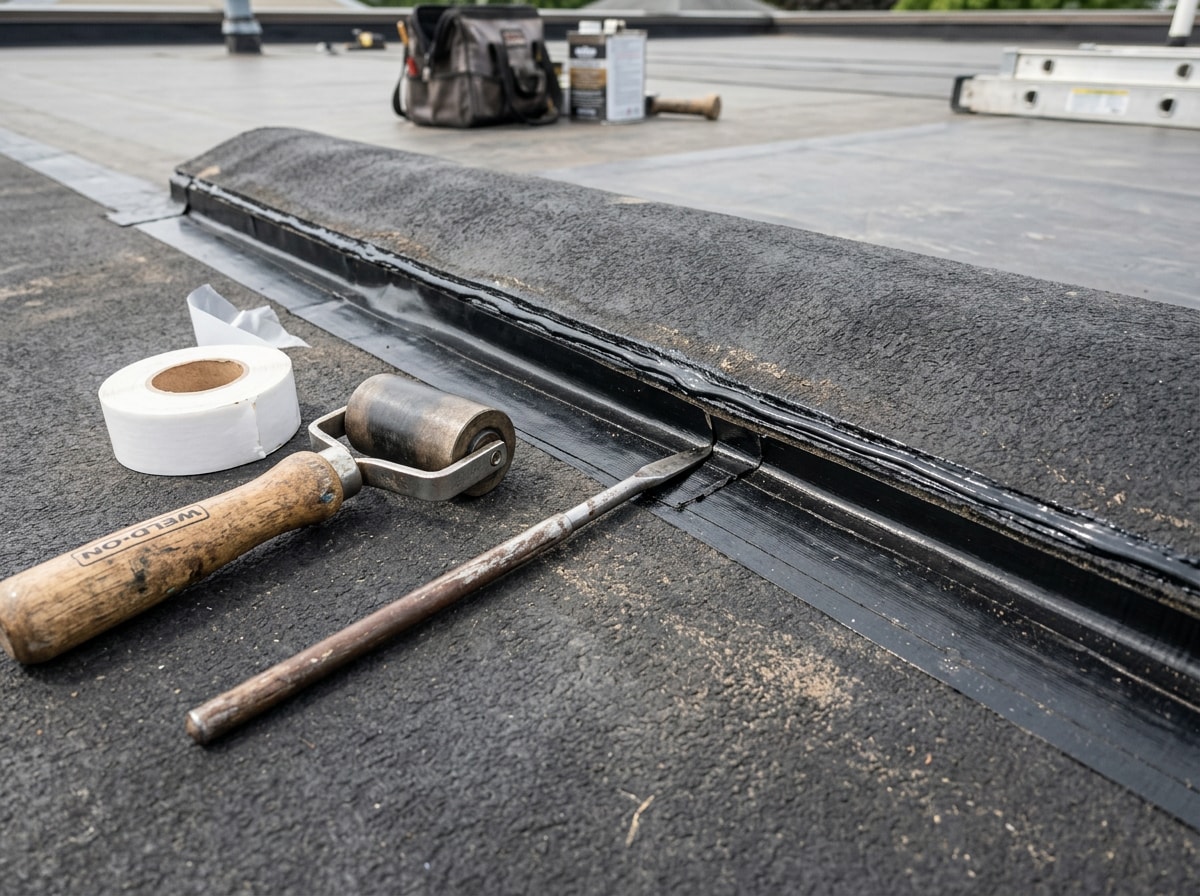
Commercial rubber roofing jobs bring more variables: multiple roof levels, HVAC penetrations, drains, and walkways that all need correct flashing and sealing. An industrial flat roof can cover tens of thousands of square feet, where a single flashing mistake creates a leak that's expensive to trace.
This is where an experienced commercial crew earns its fee. They know how to sequence a multi-level tear-off without shutting down operations, coordinate rooftop equipment access, and document the work for warranty purposes.
Rubber Roofing Cost in 2026
Pricing varies by roof size, membrane thickness, attachment method, and how much deck repair the job needs. Here's a realistic range for planning purposes:
| Project Type | Typical Cost Range | Notes |
|---|---|---|
| EPDM installation (per sq. ft.) | $4.50 – $14.00 | Higher end reflects thicker membrane and fully adhered systems |
| Full roof installation (average home) | $7,000 – $18,000 | Includes tear-off, insulation, and flashing |
| Minor roof repair | $200 – $600 | Seam patch or small puncture |
| Moderate repair or partial re-cover | $600 – $2,000 | Multiple problem areas |
| Roof inspection | $100 – $400 | Often credited toward repair cost if you hire the same crew |
A quote that lands well below every other bid usually means a thinner membrane, missing insulation, or a warranty that isn't stated upfront. When you compare quotes, ask each contractor to itemize the full assembly rather than handing you a single total. For a deeper breakdown of what drives roofing prices, our flat roofing company guide walks through material and labor factors in more detail.
Denver Metro Climate Considerations for Rubber Roofs
Crestline Exteriors is based in Littleton, and we've built our EPDM process around Front Range conditions specifically. Freeze-thaw cycling, intense UV at altitude, and sudden hailstorms all stress a flat roof differently than they would in a coastal or humid climate.
We serve flat and low-slope roofs across Littleton, Denver, Jefferson County, and Douglas County, and we size insulation and attachment methods to what each property actually experiences, not a generic spec sheet. If you're not sure whether your roof needs a repair or a full tear-off, our team can walk your property and give you a straight answer.
Ready to compare a licensed, local EPDM crew against your other bids? Request a free estimate and we'll go over your roof's specifics before you commit to anything.
FAQ
Is it worth hiring a professional rubber roof installer?
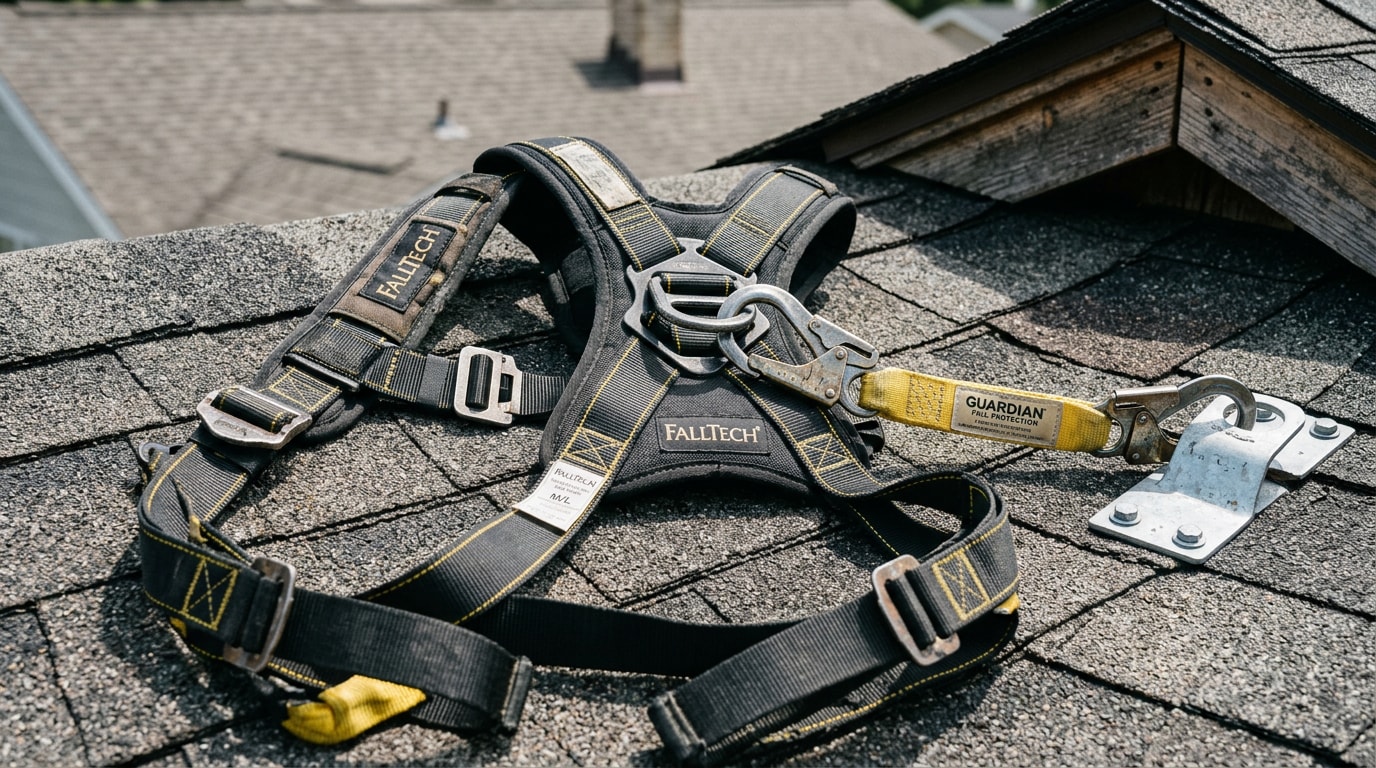
Yes. Falls remain one of the most common causes of serious injury and death in roofing work, and OSHA data confirms falls are the leading cause of construction fatalities. An untrained eye can also miss trapped moisture or deck damage hiding under an old membrane. A professional handles the tear-off safely and catches hidden problems before they get expensive.
How much does rubber roofing cost?
Installed EPDM typically runs $4.50 to $14 per square foot, with a full residential roof landing between $7,000 and $18,000 depending on size, membrane thickness, and how much deck repair is needed. Get at least two or three quotes and compare where the numbers diverge.
How long does a rubber roof last?
Field research from the EPDM Roofing Association points to an average service life well past 30 years, with many properly maintained roofs exceeding 40 to 50 years. Actual lifespan depends on installation quality, attachment method, and whether small punctures get caught early through periodic inspection.
Is rubber roofing eco-friendly?
EPDM scores well on two fronts: recyclability and energy performance. Many manufacturers now accept old membranes for recycling, and reflective or light-colored versions reduce cooling-energy demand in warm climates.
Can you walk on a rubber roof?
Yes, EPDM tolerates foot traffic for maintenance and inspections better than many roofing materials. That said, repeated heavy traffic in one area can wear the membrane faster, so walkway pads are recommended for roofs that see regular equipment servicing.
How do I know if I need a repair or a full replacement?
If the damage is isolated (a seam separation, a puncture, a small area of ponding) a repair usually solves it. Widespread cracking, multiple leak points, or a membrane past its expected service life typically points to replacement. If you're dealing with an active leak right now, emergency roof repair can stop the damage while you decide on a longer-term fix. Learn more about Crestline Exteriors and our roofing services across the Denver metro.