A flat roofing company handles a different job than your typical shingle crew, working with membranes, slope-to-drain systems, and seam welds instead of overlapping shingles. Get the material choice or the installation details wrong and a low-slope roof leaks in ways a pitched roof never would. This guide breaks down the materials, the real 2026 costs, and the exact questions to ask before you hire anyone.
What Is a Flat Roofing Company (and What Do They Actually Do)?
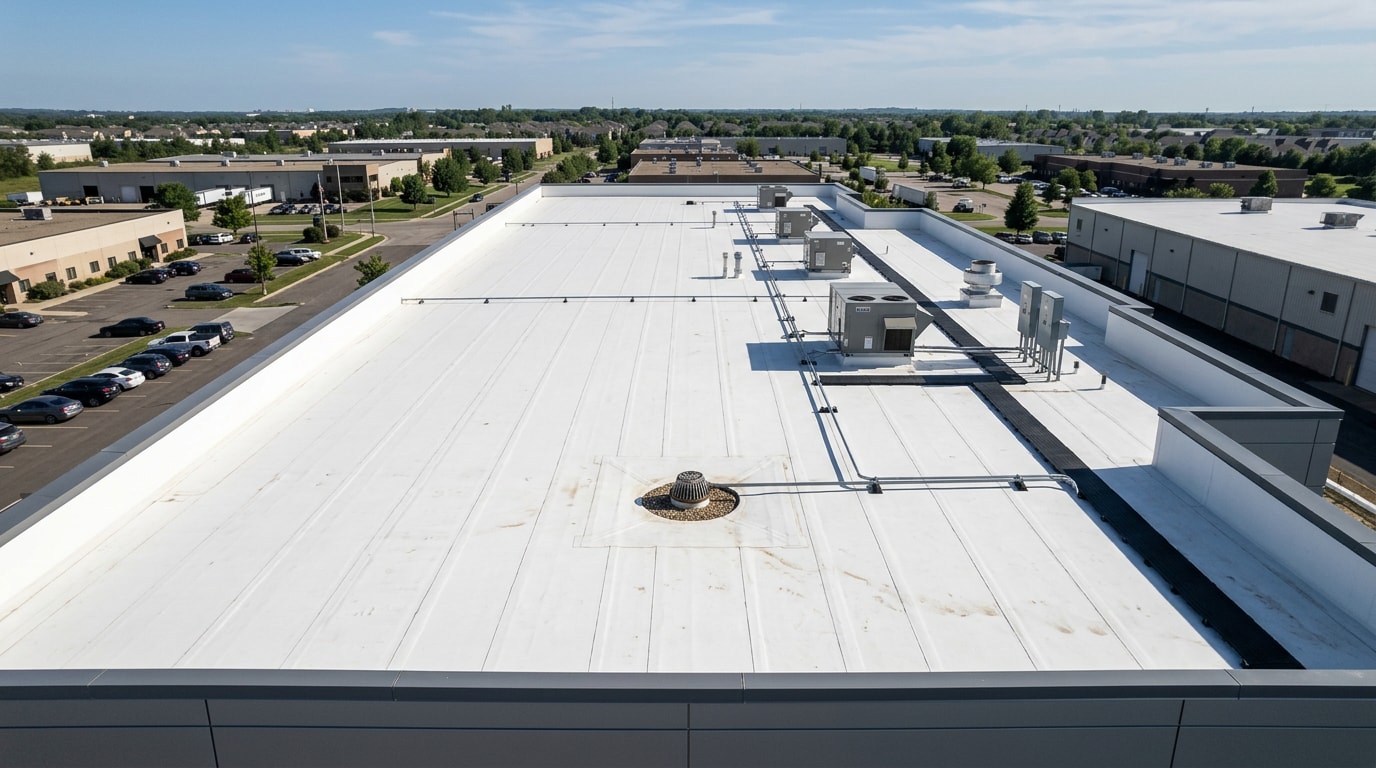
A flat roofing company specializes in low-slope roof systems, generally used on commercial and industrial buildings, though they're increasingly common on additions, garages, and modern homes. Unlike sloped roofs, which shed water quickly because of a steep incline, flat roofs rely on subtle grading, drainage, and waterproof membranes to stay watertight.
Because low-slope work differs from residential shingle installation in almost every technical respect, a good flat roofing company typically covers four core services: installation, repair, restoration, and ongoing maintenance. If your building also has steep-slope sections, look for a contractor who runs both types of work, such as our roofing contractor team, which handles low-slope systems alongside standard roof installation and roof replacement.
Flat Roofing Materials Compared
Most flat roofing estimates start with a material conversation, since the membrane you choose drives cost, lifespan, and warranty terms. Five options dominate the market.
- EPDM is a synthetic rubber membrane valued for flexibility and resistance to UV rays, ozone, and temperature swings.
- TPO is a single-ply thermoplastic membrane that has grown popular for energy efficiency and its reflective white surface.
- PVC offers similar single-ply strength with stronger chemical resistance, often chosen for roofs exposed to grease or industrial runoff.
- Built-up roofing (BUR) uses multiple layers of felt or fiberglass coated with asphalt to build a waterproof barrier.
- Modified bitumen is asphalt-based roofing reinforced with a polyester or fiberglass mat for added puncture resistance.
| Material | Cost per Sq. Ft. (2026) | Typical Lifespan | Best For |
|---|---|---|---|
| EPDM (rubber) | $4.50–$8.00 | 20–30 years | Cold climates, budget-conscious projects |
| TPO | $5.50–$8.50 | 15–20 years | Hot climates, energy-efficiency goals |
| PVC | $6.50–$10.00 | 20–25 years | Restaurants, industrial exposure |
| Built-Up Roofing (BUR) | $5.00–$9.00 | 15–20 years | Low-traffic roofs, tight budgets |
| Modified Bitumen | $4.50–$8.50 | 15–20 years | Roofs needing puncture resistance |
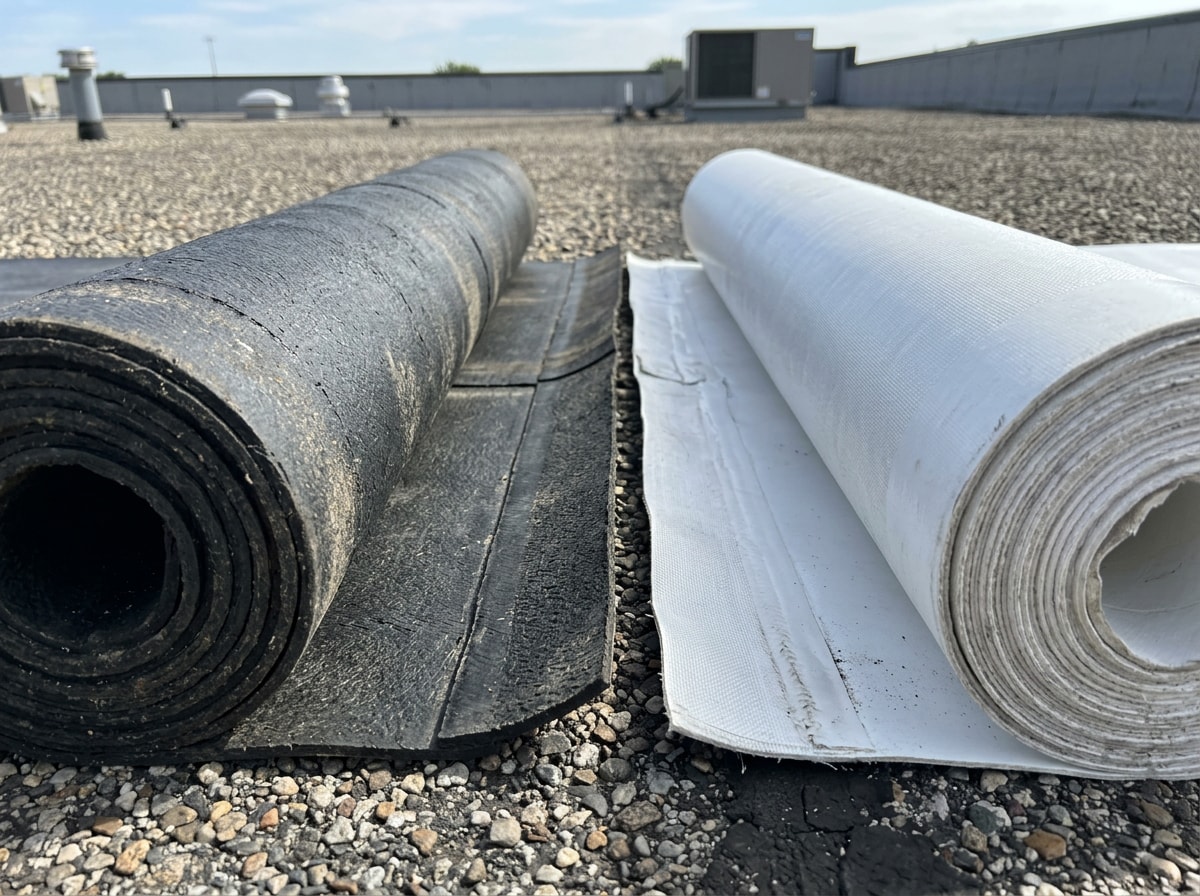
TPO's popularity comes partly from its reflective surface. The Department of Energy notes that reflective roofing can reduce cooling loads in warm climates, which is part of why white membranes have become the default choice on commercial low-slope roofs (see the DOE's cool roof guidance). Treat the table above as a planning range rather than a fixed quote. Manufacturer specs and local labor rates shift these numbers, and thickness matters within a single material family too. A standard .45-mil EPDM membrane sits on the cheap end, while a reinforced .90-mil EPDM system costs meaningfully more per square foot for the added durability.
Flat Roof Replacement Cost in 2026
Flat roof cost estimates hinge mostly on roof size, complexity, and height. Larger or harder-to-access roofs mean more labor regardless of material, which is why two similarly sized buildings can land on very different quotes.
Labor also varies by installation method. A single-ply membrane installs differently than a multi-layer BUR system, and thickness options widen the spread further. Here's roughly how total project cost scales with size, using mid-range material pricing:
| Roof Size | Estimated Replacement Cost Range |
|---|---|
| 1,000 sq. ft. | $4,500 – $10,000 |
| 2,000 sq. ft. | $9,000 – $20,000 |
| 5,000 sq. ft. | $22,500 – $50,000 |
Your exact number depends on your building's specifics: deck condition, drainage layout, insulation needs, and access for equipment. A free on-site estimate is the only reliable way to get a firm figure. For a deeper breakdown of what drives roofing quotes up or down, our roofing cost per square guide walks through the math contractors actually use to build a bid.
Repair, Restore, or Replace: How to Decide
Deciding between these three paths depends on the age of the roof, the extent of the damage, and how the original system was installed. A qualified contractor should walk this decision tree with you during a roof inspection, not quote a number over the phone.
Minor leaks or isolated wear can often be handled with targeted repair, such as resealing a seam or patching a small section of membrane. A coating-based restoration is a viable, cost-effective option when damage is moderate but the deck and structure remain sound.
Full replacement generally becomes necessary once the roof has suffered extensive damage, carries multiple layers of old material, or shows signs its structural components are compromised.
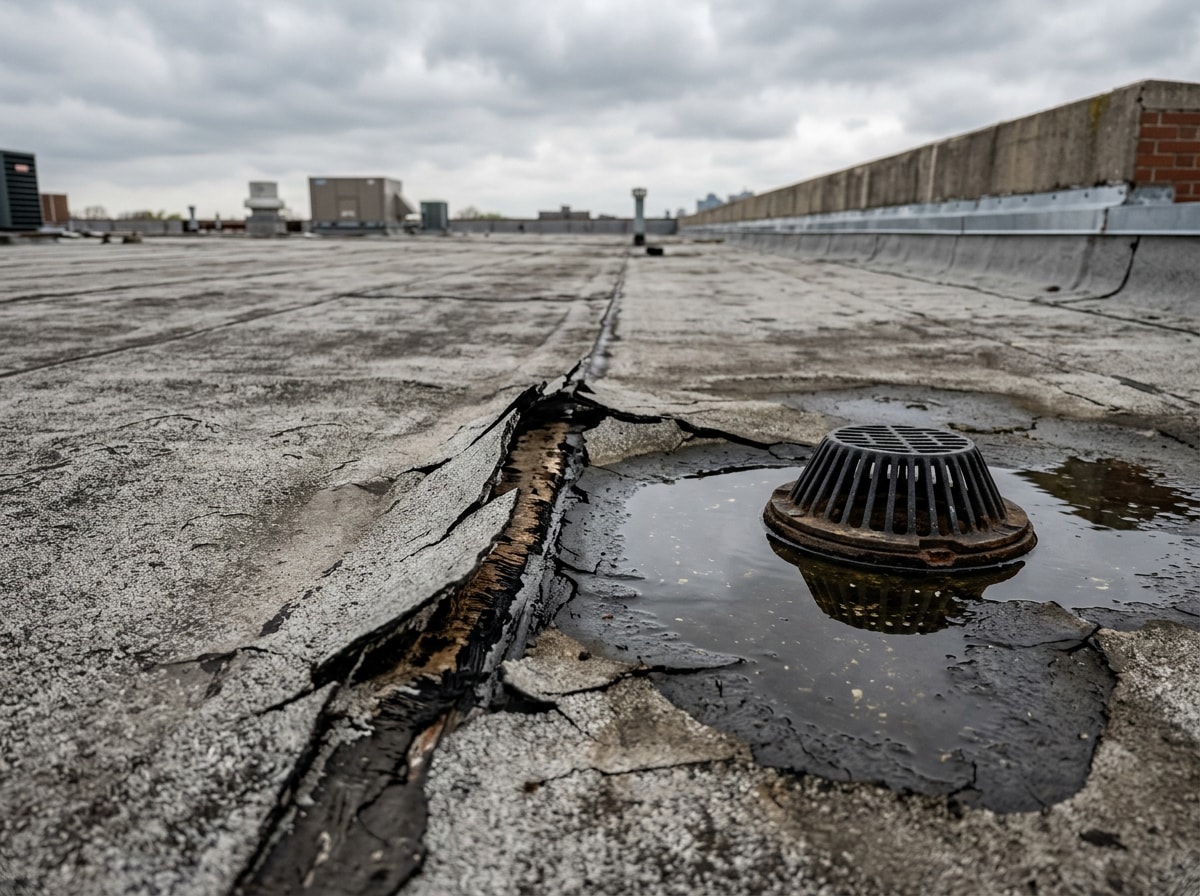
Not sure which category applies to your roof? Book a professional roof inspection and get a straight answer instead of a guess. If a storm caused the damage, get it looked at right away through emergency roof repair before a small tear turns into an interior leak.
How Flat Roof Replacement Works
Once you approve a scope of work, installation follows a fairly predictable sequence:
- Crews remove the old membrane and any waterlogged insulation, exposing the roof deck underneath.
- The deck gets inspected and repaired where needed. Skipping this step just hides problems under a new membrane.
- Crews reset slope and drainage, then install new insulation board.
- The new membrane gets adhered or mechanically fastened.
- Flashing gets tied in around every penetration, vents, drains, HVAC curbs, and roof edges, since flashing failure is one of the most common sources of future leaks.
- A final walk-through checks seams, drainage flow, and flashing details before the crew wraps up.
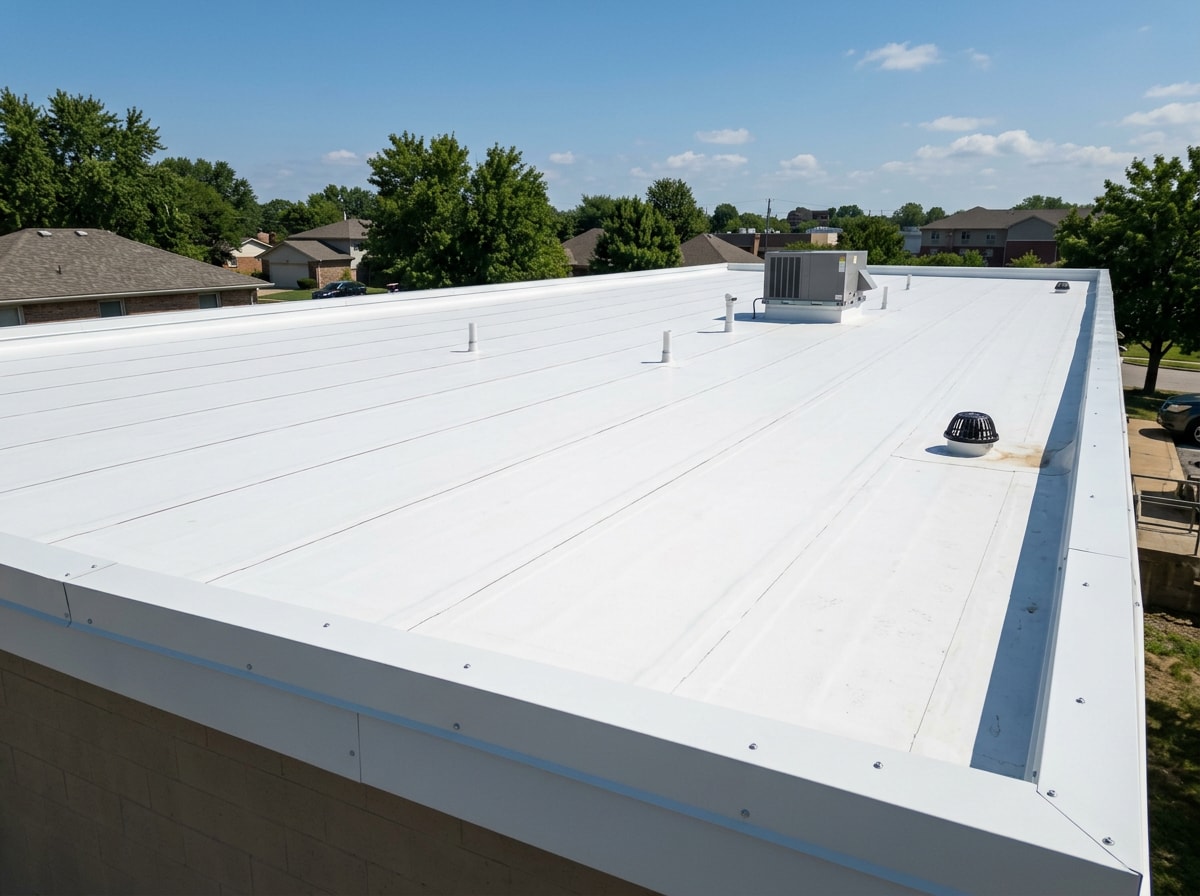
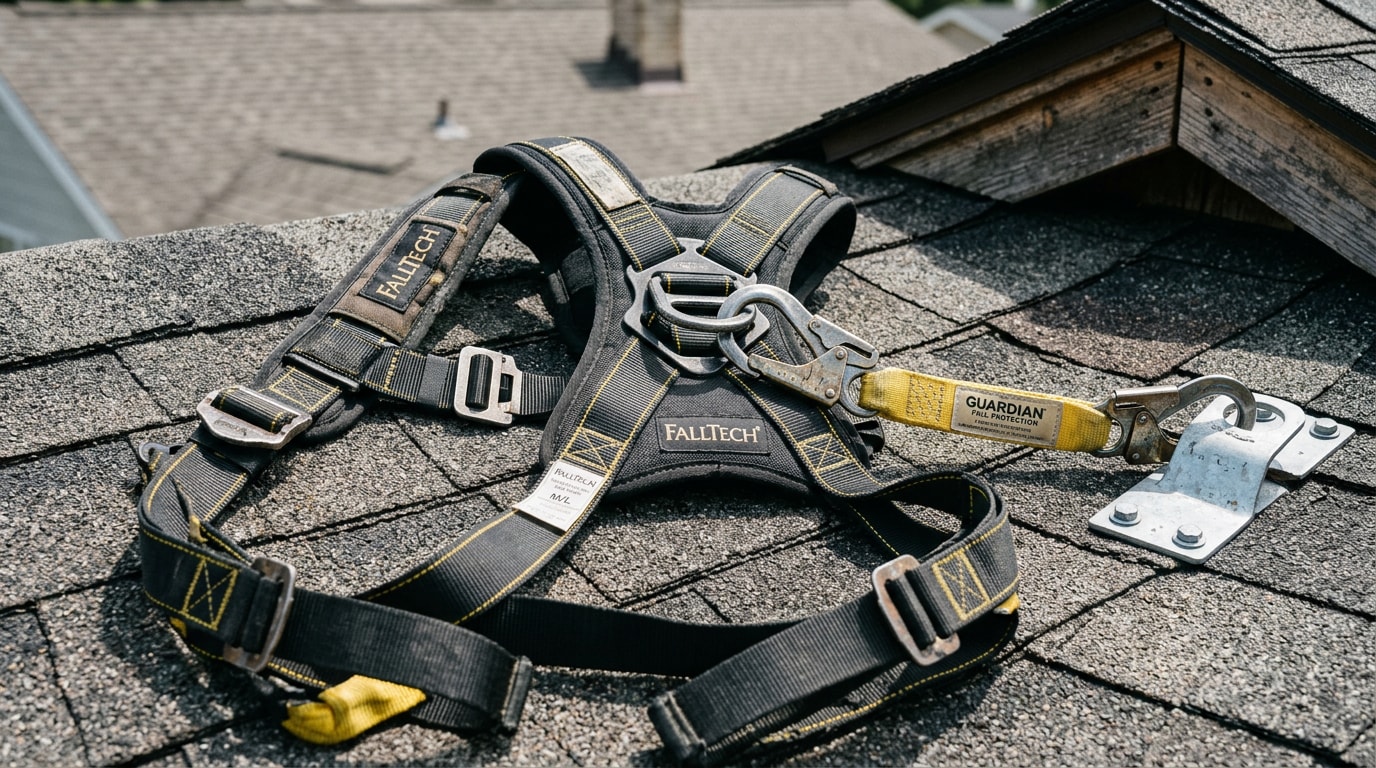
Because OSHA classifies almost all flat roof work as low-slope roofing, crews are required to follow specific fall-protection rules any time they're working six feet or more above the ground. The agency's fall protection standard for low-slope roofs spells out exactly which systems (guardrails, safety nets, personal fall arrest, or warning lines) apply and when. A crew that treats these requirements as routine, rather than optional paperwork, is usually the same crew that treats deck inspection and flashing detail with the same seriousness.
How to Choose a Flat Roofing Company
Choosing the wrong contractor can lead to years of headaches: premature failure, warranty disputes, and repair bills you didn't budget for. Many roofing problems trace back not to bad materials, but to poor installation. Here's what to check before you sign anything.
Certifications, safety training, and insurance. Look for manufacturer certifications and current proof of insurance. Certifications demonstrate specialized training and often unlock stronger manufacturer warranty programs than an uncertified installer can offer. Specialty matters too. A contractor who's excellent at residential shingles may not have real commercial flat-roofing experience, so ask directly about low-slope project history.
The right questions before you hire.
- Ask for proof of licensing, insurance, and manufacturer certification.
- Ask for references from similar flat-roof jobs, not just any roofing job.
- Ask how they handle deck damage discovered mid-tear-off.
- Ask whether they follow published installation standards. The National Roofing Contractors Association publishes technical guidelines that most reputable membrane installers reference during design and installation.
How readily a company produces these answers often reveals how confident they are in their own work. The best contractors don't just sell roofs. They walk the building, explain findings from the inspection, and present options instead of a single take-it-or-leave-it number.
Warranty coverage and contractor longevity. Not all warranties are equal. Some cover materials only, others cover workmanship, and terms vary widely between manufacturers and installers. Read the fine print before assuming a long-sounding warranty protects you the way it seems to. One of the most overlooked hiring factors is longevity: many roofing companies appear and disappear within a few years, and homeowners often discover their contractor is out of business exactly when a warranty claim comes up.
If your building also needs work beyond the roof, it's worth asking whether the same contractor handles siding, windows, or concrete, since coordinating exterior trades under one company usually means fewer scheduling gaps.
Why Trust This Guide
This guide was put together by the roofing team at Crestline Exteriors, a licensed roofing, siding, window, and concrete contractor serving Littleton, Denver, and the broader Front Range. Our crews handle low-slope tear-offs and membrane replacements on homes and small commercial buildings across Jefferson County, Douglas County, and Arapahoe County, where hail and rapid freeze-thaw cycles are harder on membrane seams than the national averages in most manufacturer literature suggest. We routinely find that seams and flashing details, not the membrane material itself, are what fail first on Front Range roofs. If you're weighing a repair against a full tear-off, our estimators will walk the roof with you and explain what we find, not just hand you a number. If a hailstorm is what brought you here, our storm damage roofing guide covers how to document damage before filing a claim.
Ready to get a real number for your project? Request a free estimate and we'll walk your roof, not just measure it from a satellite photo.
FAQ
How much does flat roof replacement cost?
Most flat roof replacement projects run roughly $5–$10 per square foot in 2026, though total cost depends heavily on material, roof size, and complexity. A 2,000-square-foot roof typically lands between $9,000 and $20,000. Get a free on-site estimate before committing to a number you saw online.
How long does a flat roof last?
Most flat roofs last 15–30 years depending on material and maintenance. EPDM and PVC tend toward the higher end, while BUR and modified bitumen typically last 15–20 years. Regular inspections and prompt repairs push any material closer to its maximum lifespan.
What are the signs a flat roof needs to be replaced?
Common warning signs include pooling water that doesn't drain within 48 hours, visible cracking or blistering across the membrane, and interior ceiling stains from leaks. Soft spots underfoot can signal deck damage. Any of these usually warrants a professional inspection rather than a DIY patch. Our roofing inspection checklist walks through exactly what an inspector looks for.
Is it cheaper to repair or replace a flat roof?
Repair is almost always cheaper up front, but it only makes sense for isolated damage on a structurally sound roof. Once damage is widespread or the deck is compromised, repeated repairs cost more over time than one replacement, the same factors covered in the repair-vs-replace section above.
What is the cheapest flat roofing material?
Built-up roofing and standard EPDM typically sit at the lower end of the cost range, generally $4.50–$9.00 per square foot installed. Cheaper isn't always better value, though. A lower-cost membrane with a shorter lifespan can cost more per year of service than a pricier system that lasts twice as long.
How often should a flat roof be inspected?
Most manufacturers and contractors recommend inspecting a flat roof at least twice a year, typically spring and fall, plus after any major storm. Roofs carrying HVAC units or heavy foot traffic benefit from more frequent checks since equipment and technicians can damage membranes over time.