A tile roofing contractor works in a different register than a standard shingle crew's day-to-day job: every piece is set by hand, fastened to a precise pattern, and flashed around valleys and penetrations that can't tolerate guesswork. Get this hire wrong and the mistakes don't surface as a quick patch, they show up years later as cracked tiles, slipped courses, and leaks traced back to a flashing detail nobody checked at the time. This guide breaks down tile materials, realistic cost ranges, and the exact questions that separate a qualified tile specialist from a generalist who's simply willing to take the job.
Why a Tile-Specific Contractor Matters
Tile is a specialty trade, not a variation on asphalt shingle work. Each tile is set individually, often with specific fastening patterns, batten systems, and underlayment requirements that change based on roof pitch and local climate.
A crew that mostly installs shingles may not have the hands-on reps to get those details right the first time. Because the stakes are higher with tile, both in material cost and in how unforgiving mistakes can be, homeowners researching a tile roofing contractor tend to dig deeper than they would for a standard reroof.
If you're ready to compare quotes for your own home, you can start with the Crestline Exteriors homepage or jump straight to the roofing contractor services page.
How to Vet and Choose a Tile Roofing Contractor
Ask how many tile roofs the contractor has completed in the last few years, and request proof of active licensing and insurance before anything is signed. A contractor with genuine tile experience should describe their fastening pattern and flashing approach without hesitation.
A useful follow-up question: "How do you handle valley flashing on a tile roof in this climate?" A strong answer references specific underlayment layers, metal flashing details, and how wind-driven moisture is managed. A vague answer, something like "we install it like any other roof," is a signal to keep looking.
Tile installation is governed by trade-specific standards, not general roofing practice. The Tile Roofing Industry Alliance states plainly that tile roofs should be installed by a certified professional roofing contractor and offers its own training and certification program for roofers working on code-approved installation methods. Asking whether a crew has gone through that kind of tile-specific training, rather than just general roofing licensure, is one of the more telling questions you can ask.
A few other things worth confirming before you sign:
- Structural assessment included in the bid. Tile is heavy; skipping this step is a common corner cut on underbid jobs.
- Written breakdown of material, labor, structural work, and flashing as separate line items, not one lump sum.
- Manufacturer-specific experience with the tile profile you're installing, since fastening requirements vary by product.
- A warranty that covers workmanship, not just the tile material itself.
For homes across the Front Range, this kind of vetting applies whether you're in Littleton or Denver. You can also compare more detailed vetting criteria in this guide on choosing the right tile roofing contractors.
Tile Roofing Materials Compared
Tile roofing isn't one product, it's a category that includes a few distinct materials, each with its own weight, cost, and lifespan profile. The material you choose affects not just price but which contractors are even qualified to install it correctly.
| Material | Typical Installed Cost | Typical Lifespan | Relative Weight |
|---|---|---|---|
| Concrete tile | Mid-range | 40–50+ years | Heavy |
| Clay tile | Highest | 50–100+ years | Heaviest |
| Synthetic/composite tile | Lowest | 30–50 years | Lightest |
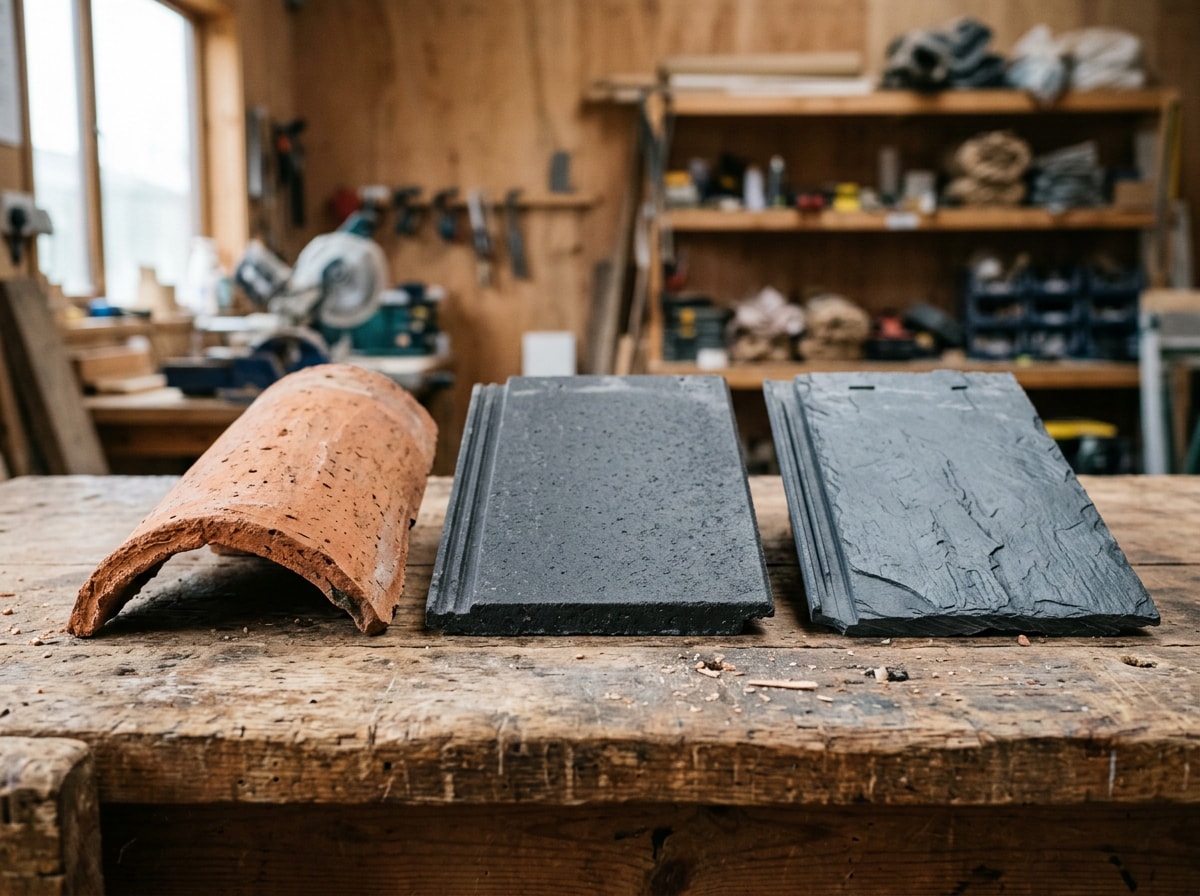
Clay Tile
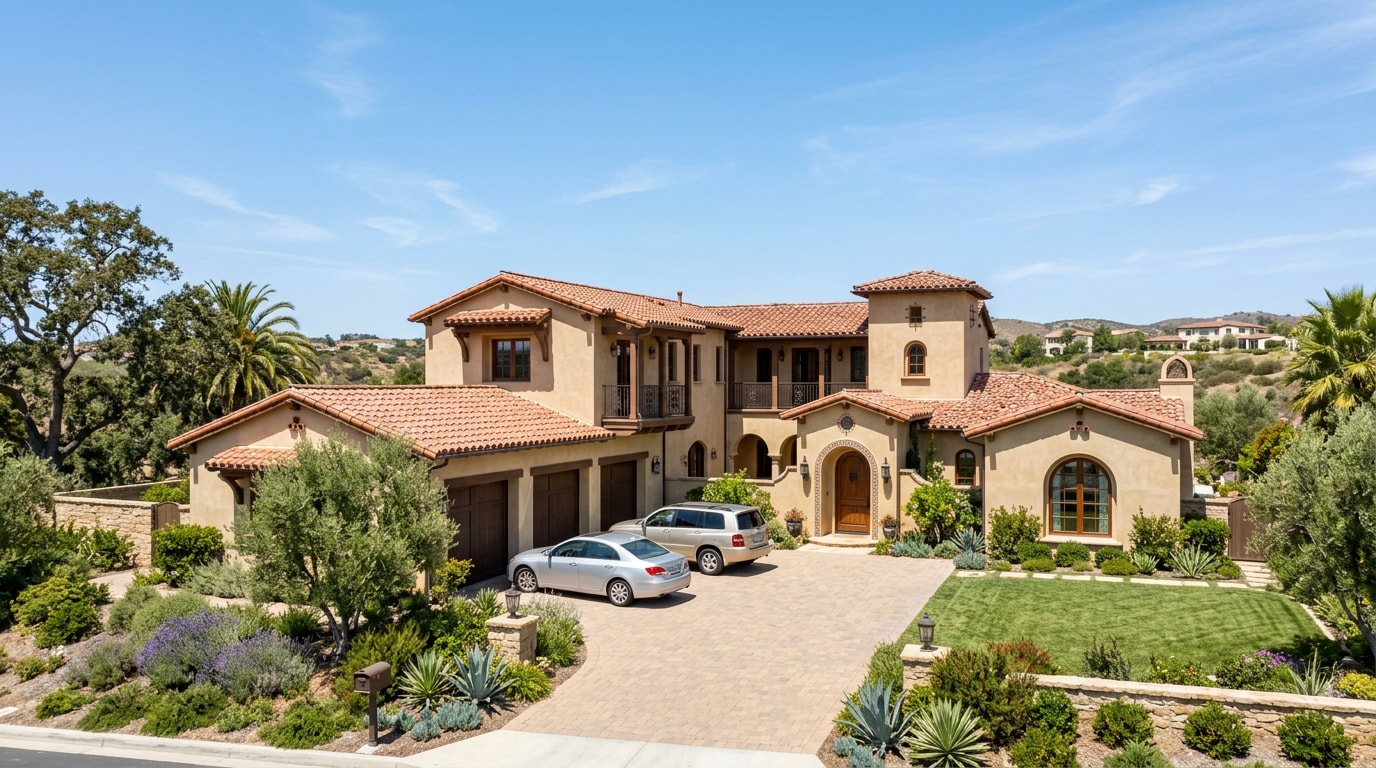
Clay tile, sometimes called terracotta roofing, is one of the oldest roofing materials still in common use, prized for its distinctive reddish-orange color and long service life. According to the National Park Service's Preservation Brief 30, clay tile has one of the longest life expectancies among roofing materials, generally about 100 years, and often several hundred when properly maintained.
Because clay tile cracks if handled or fastened incorrectly, it typically needs an installer with specific clay experience rather than a general roofing crew. This is one reason clay reroofs often cost more in labor than material alone would suggest.
Concrete Tile
Concrete tile offers a similar look to clay at a generally lower material cost, making it a popular middle-ground choice for homeowners who want the tile aesthetic without clay's price tag. Concrete is typically more impact-resistant than clay, which matters in hail-prone regions.
The trade-off is weight. Concrete tile is often heavier than clay per square foot, so the same structural considerations apply, sometimes more so.
Synthetic Tile
Synthetic tile roofing, also marketed as composite roof tile, mimics the look of clay or slate using lightweight polymer or rubber-based materials. It costs less upfront than natural tile and weighs a fraction as much, which can eliminate the need for structural reinforcement on some homes.
Synthetic tile makes sense for homeowners who want the tile appearance without the weight burden or price of clay or concrete. Longevity varies more by manufacturer than with natural tile, so warranty terms deserve a close look.
Benefits of Tile Roofing
The appeal of tile goes beyond looks. Properly installed tile roofs often outlast asphalt shingles by decades and hold up well against hail, wind, and intense UV exposure, all relevant concerns along Colorado's Front Range.
Tile also contributes to energy performance. The U.S. Department of Energy notes that cool roofing products, including clay and concrete tile, are available for steep-sloped roofs and can reduce cooling energy use by reflecting more sunlight than a standard dark roof.
Beyond performance, tile adds architectural character that few other roofing materials match, which can support resale value. For homes across the region, this is covered in more depth on the residential roofing services page.
Tile Roof Installation Process & Timeline
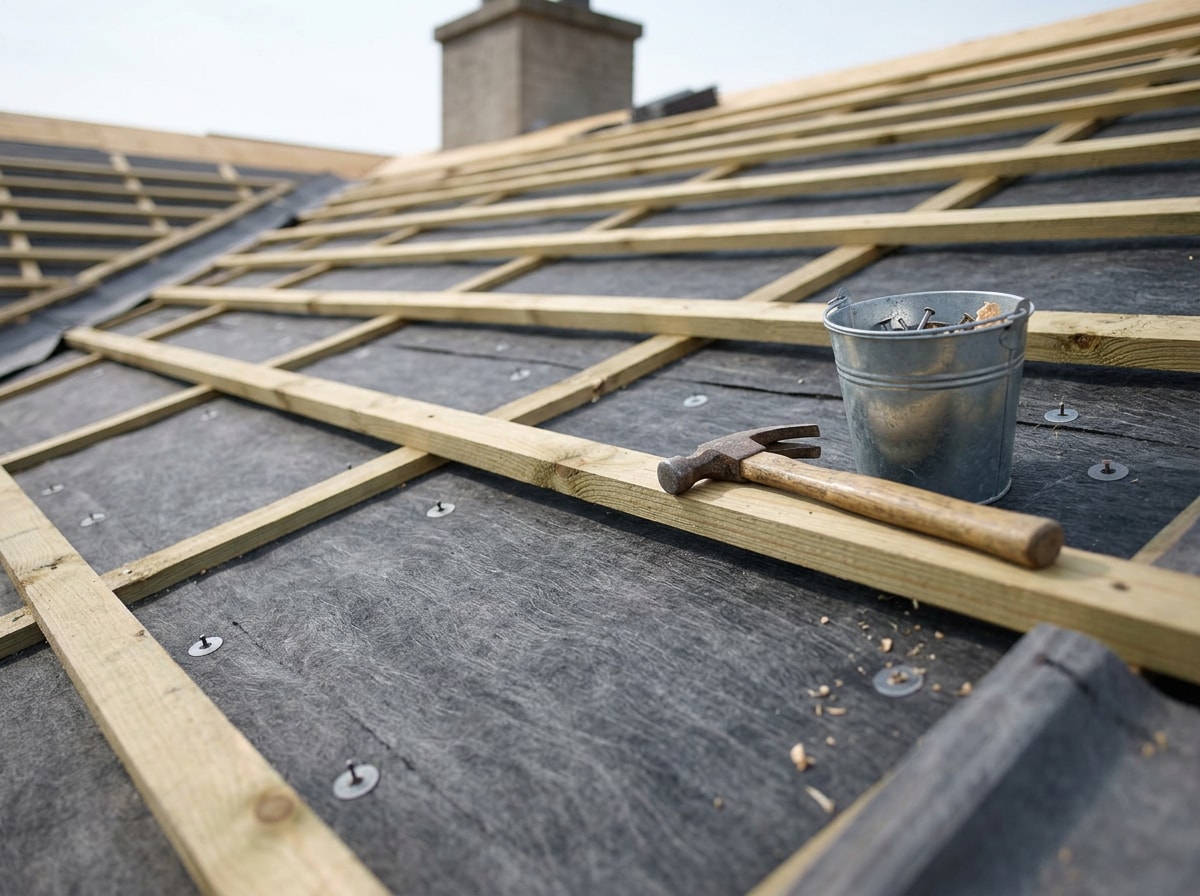
A professional tile installation typically follows a sequence: structural assessment first, then underlayment and batten installation, followed by precise tile laying and flashing at valleys, penetrations, and roof edges. Skipping the structural step is one of the most common corners cut on underbid jobs.
Because tile is significantly heavier than asphalt shingles, most jurisdictions require confirmation that the roof structure can support the added load before work begins. The International Residential Code's roof-ceiling construction chapter spells out dead load allowances for roofing assemblies, and local building departments enforce these standards during permitting.
Installation timelines vary by roof size and complexity, but homeowners should expect the process to take longer than a comparable shingle reroof, given the extra handling and precision each tile requires. If a full roof installation or roof replacement is on the table, a pre-project roof inspection is the step that catches structural surprises before they become change orders.
What Drives Tile Roofing Cost
Tile roof cost is shaped primarily by roof pitch, material choice, the need for structural reinforcement, and labor complexity. Steeper roofs and tighter cuts around dormers or chimneys add labor hours, and clay generally costs more in labor than concrete or synthetic alternatives.
| Cost Factor | Why It Matters |
|---|---|
| Roof pitch | Steeper roofs slow down tile handling and increase safety requirements |
| Structural reinforcement | Added when framing can't support tile weight without upgrades |
| Tile profile | Decorative or mixed profiles add material and labor cost |
| Flashing complexity | Valleys, skylights, and chimneys require more detail work |
| Underlayment grade | Tile-rated underlayment costs more than standard felt but lasts longer |
A low bid might skip a structural assessment, quote standard underlayment instead of a tile-rated product, or omit flashing detail work entirely, all of which show up later as callbacks or leaks. A thorough bid itemizes each of these steps separately.
When comparing quotes, ask each contractor to break down material, labor, structural work, and flashing as separate line items rather than a single number. That makes it far easier to spot what's missing. Ready to see what a tile project looks like for your home? Get a free estimate and compare it against the bids you already have.
FAQ
Is tile roofing too expensive?
Tile costs more upfront than asphalt shingles. Given tile's multi-decade lifespan versus roughly 20 years for asphalt, the long-term value often works out favorably, since homeowners typically avoid one or two full reroofs over that span.
How long does a professional tile roof installation take?
Installation time varies with roof size, pitch, and complexity, but most tile reroofs take noticeably longer than a shingle job due to the precision required for each tile. Larger or steeper roofs with multiple valleys and penetrations extend the timeline further.
Can tile roofs support solar panel additions?
Yes. Tile roofs can support solar installations, but they require tile-specific mounting hardware and flashing rather than standard shingle mounts. A qualified installer familiar with tile mounting requirements should handle the work to avoid cracked tiles or compromised flashing.
How much does a tile roof cost per square foot?
Pricing varies by material, roof complexity, and whether structural reinforcement is needed. Synthetic tile generally runs lowest, concrete falls in the middle, and clay typically costs the most per square foot installed. Get a project-specific number by requesting an itemized quote rather than relying on national averages.
How long do tile roofs actually last?
Clay tile has one of the longest service lives of any common roofing material, with the National Park Service citing a general life expectancy of about 100 years when properly maintained. Concrete and synthetic tile typically last somewhat less, though both still outperform asphalt shingles by a wide margin.
Do tile roofs need special maintenance?
Tile itself requires little maintenance when installed correctly, but the underlayment and flashing beneath it have a shorter lifespan than the tile. Periodic inspections catch cracked tiles, slipped courses, or deteriorating flashing before they turn into leaks.