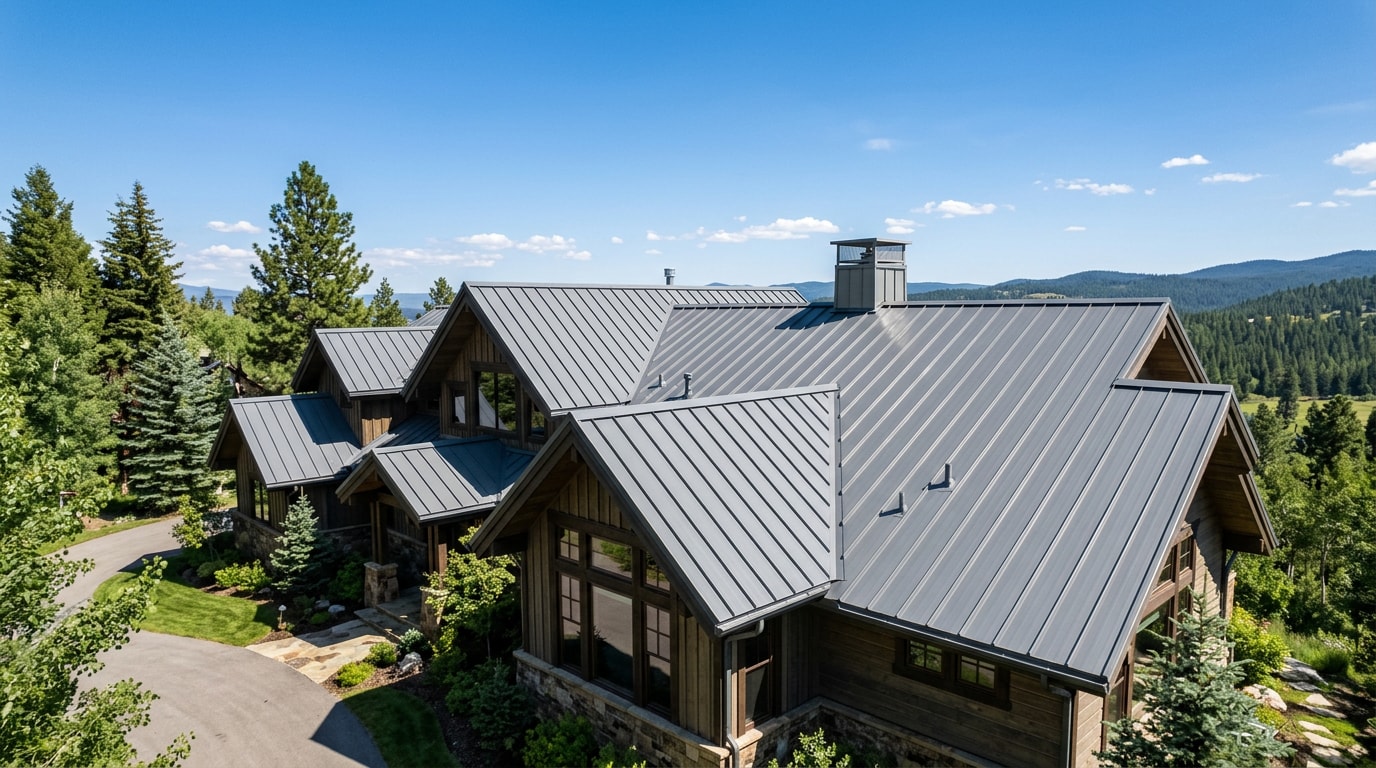
Galvalume metal roofing is steel coated in an aluminum-zinc alloy, and it's now the default substrate under most standing seam and corrugated metal roofs sold in the U.S. This guide breaks down what it's made of, what it costs in 2026, and where it beats (or loses to) galvanized steel and aluminum. Read this before a contractor hands you a quote you can't evaluate.
What Is Galvalume Metal Roofing?
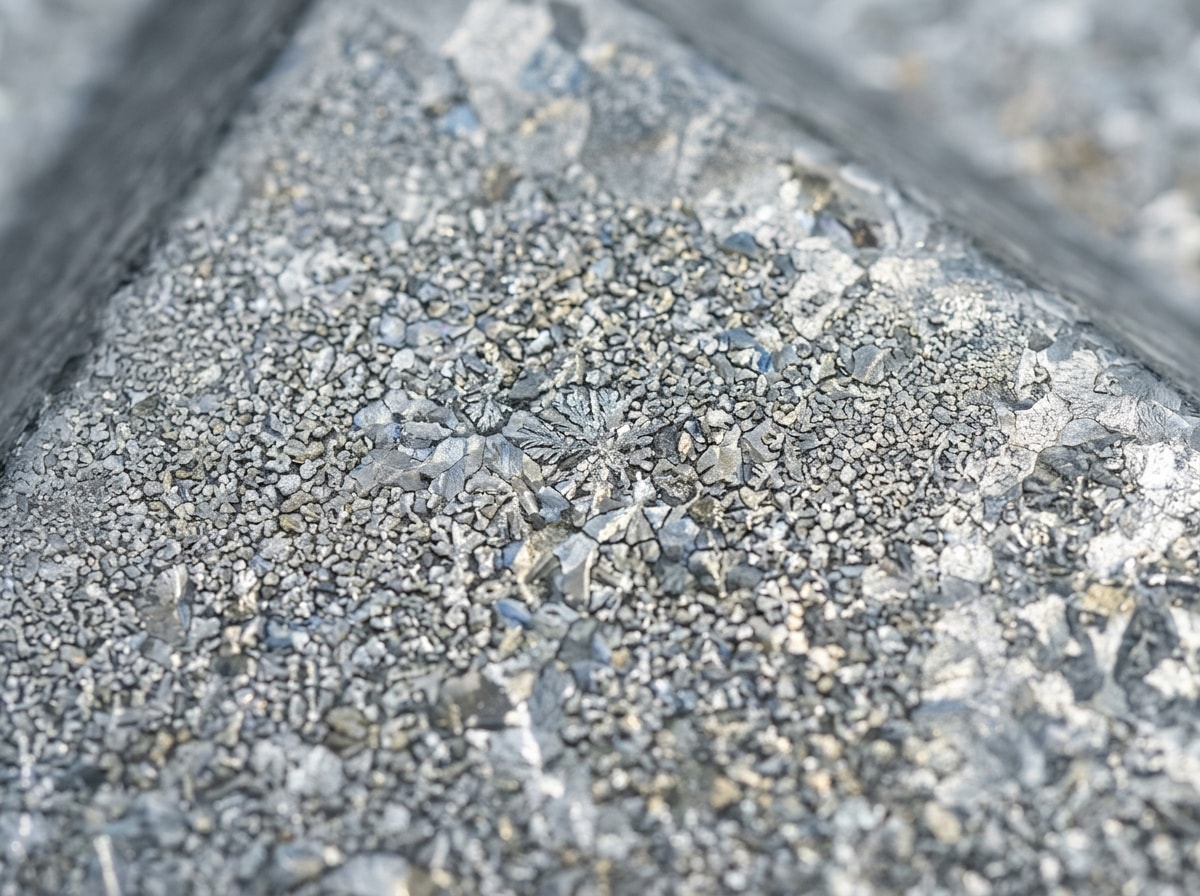
Galvalume is steel sheet run through a molten aluminum-zinc bath, which bonds a thin metallic coating to both sides of the panel. The aluminum gives long-term corrosion resistance, and the zinc protects the cut edges. That combination is why it has replaced plain galvanized steel as the industry-standard base for painted metal roofing on homes, barns, and commercial buildings alike.
How Galvalume Is Made
Galvalume is produced through a continuous hot-dip process that applies a 55% aluminum, 43.4% zinc, and 1.6% silicon alloy coating to both sides of a carbon steel substrate. The exact ratio has barely changed since it was developed decades ago, because the two metals solve different problems at once: aluminum forms a stable barrier against moisture, while zinc corrodes first at scratches and cut edges so the steel underneath doesn't.
You'll see this coating labeled AZ50 or AZ55 on spec sheets and invoices. AZ50 coatings contain .50 ounces per square foot on both sides of the panel, while AZ55 contains .55 ounces per square foot.
AZ50 is the industry-standard coating level for painted products, while AZ55 is more common on bare, unpainted panels. The manufacturing tolerances for both are set by ASTM A792, the specification governing 55% aluminum-zinc alloy-coated steel sheets in coils and cut lengths for applications requiring corrosion resistance or heat resistance, or both .
Galvalume Pros and Cons
Most manufacturer pages sell you on the benefits and gloss over the tradeoffs. Here's both sides before you commit to a panel style.
Benefits:
- Long service life.
Typical lifespan runs 40 to 70 years, depending on environmental exposure, installation quality, and maintenance.
- Strong corrosion resistance. Estimates vary by manufacturer and test conditions, but Galvalume is documented to outlast plain galvanized steel by
up to four times in some field tests and by as much as nine times in others.
- Lower cost than premium metals. It delivers most of the durability of copper or solid aluminum without that price tag.
- Lightweight. Reduces structural load compared to concrete tile or slate.
- Fire-resistant. Steel doesn't ignite or spread flame.
- Long finish warranties. Most manufacturers back panels for 25 to 40 years, similar to the
25-year warranty on standard 29-gauge screw-down panels common in the industry.
Drawbacks:
- Oil canning.
This is a wavy, distorted pattern that can spread across a roof. It's cosmetic, not structural, and it typically happens when inexperienced roofers install panels too tightly together, causing them to push against each other as they expand with heat.
- Limited dent resistance in thinner gauges. Hail-prone regions may need a heavier gauge.
- Not ideal for livestock buildings.
Manufacturers with decades of field experience recommend galvanized panels instead for animal confinement projects, based on the adverse reaction between animal waste and Galvalume's coating.
- Galvanic corrosion risk with dissimilar materials.
Using dissimilar materials with Galvalume can result in galvanic corrosion, which may cause the roof to fail prematurely, so installers need to plan around what the panel contacts.
In our own installs across Colorado's Front Range, the gauge decision matters more than the marketing copy suggests. We spec heavier gauges on homes in Jefferson County and Douglas County hail corridors specifically because thin panels show cosmetic denting after a single severe storm, even though the coating itself holds up fine.
How Much Does Galvalume Metal Roofing Cost in 2026?
Installed pricing for a Galvalume steel roof generally runs between $10 and $19 per square foot. That's not cheap, but it's still very affordable compared to other metal roofing costs like copper or zinc.
Where you land in that range depends on:
- Panel profile — bare corrugated sits at the low end; PVDF-coated standing seam sits at the high end.
- Coating and finish — AZ55 and premium paint systems cost more than AZ50 with basic SMP.
- Roof complexity — valleys, dormers, and steep pitches add labor hours.
- Tear-off requirements — removing an old roof first adds to the total.
Get a project-specific number instead of guessing from a range. Request a free estimate and we'll walk the roof before quoting a panel and gauge.
Galvalume vs. Galvanized Steel vs. Aluminum
Understanding how Galvalume stacks up against its two closest substitutes clarifies whether it's actually the right call for your building and climate.
Galvalume vs. Galvanized Steel
| Factor | Galvalume | Galvanized Steel |
|---|---|---|
| Coating | Aluminum-zinc alloy | Pure zinc |
| Typical lifespan | 40-70 years | 20-30 years |
| Best use case | General residential/commercial roofing | Animal confinement buildings |
| Cut-edge protection | Good, via sacrificial zinc | Very good |
| Cost | Comparable | Comparable |
Both Galvalume and galvanized are coated metal products used for roofing and siding, and they're similarly priced, so cost usually isn't the deciding factor. The one scenario where galvanized wins outright is livestock buildings, where ammonia exposure degrades Galvalume's coating faster than it degrades plain zinc. Outside that niche, Galvalume generally wins on lifespan.
Galvalume vs. Aluminum
Solid aluminum has one real advantage: it contains no steel core to rust, so it holds up better under constant, direct salt spray. That's why some manufacturers note there are situations where Galvalume is the better choice and situations where aluminum will work best , depending on exposure.
For buyers who need better coastal performance without switching to solid aluminum, some manufacturers now offer enhanced coatings built for that specific problem. AZ60 coatings are now available for coastal applications, and one branded system combines AZ60 with a PVF film specifically engineered and warrantied for coastal environments. That's a newer option most buyer's guides don't mention, and it's worth asking about if your project sits within a mile or two of saltwater.
Best Uses and Panel Profiles for Galvalume Roofing
Galvalume shows up on residential standing seam roofs, commercial warehouses, and agricultural outbuildings, as long as animals aren't housed directly inside. If you're weighing Galvalume against other steel systems more broadly, our steel roofing panels guide breaks down gauges and profiles in more depth.
Common panel profiles:
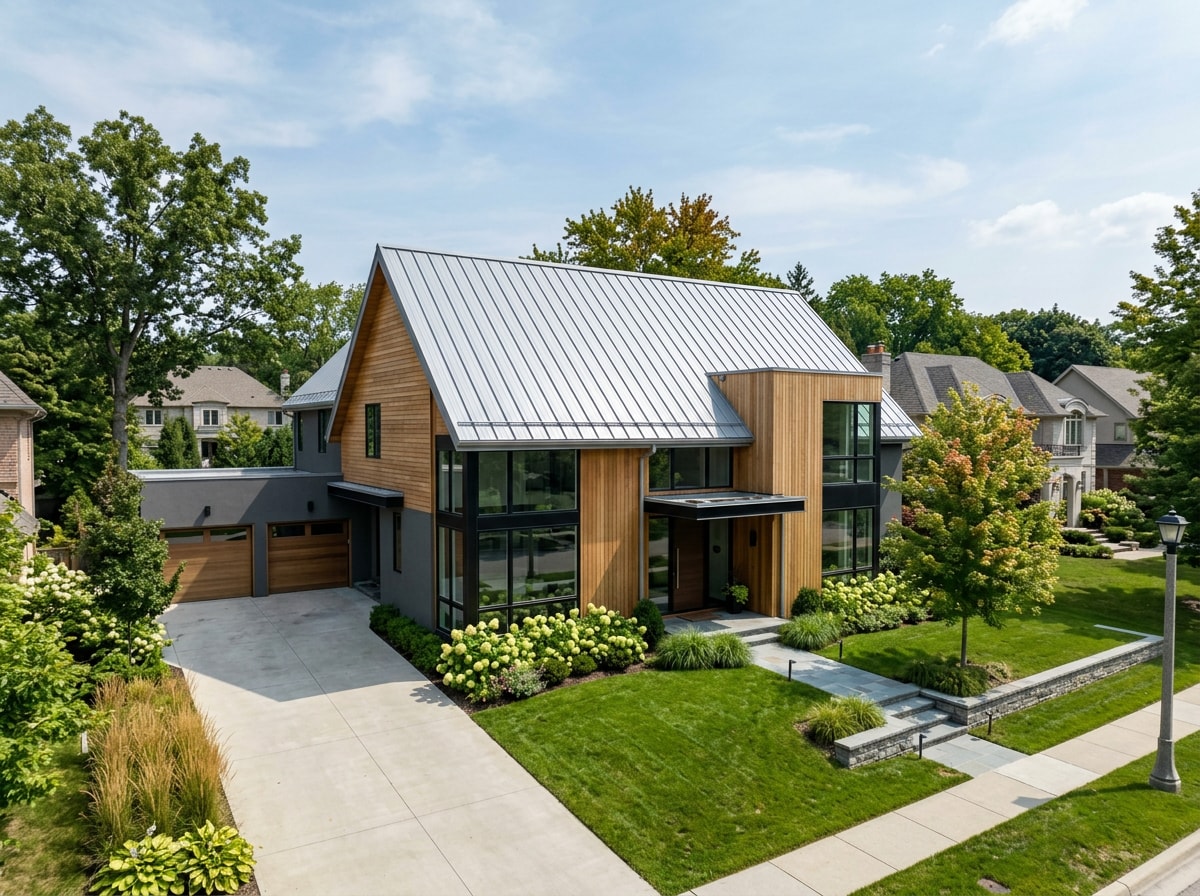
- Standing seam — concealed fasteners under raised seams.
It's the most weather-tight and expensive metal roofing system. Best for homes and architectural accents.
- Corrugated — the classic wavy profile, fast to install and budget-friendly. Common on barns and utility buildings.
- 5V crimp — an exposed-fastener panel with a cleaner look than corrugated, often chosen for outbuildings where cost matters but appearance still counts.
Galvalume Colors and Finishes
Bare Galvalume keeps its natural metallic shine and weathers to a soft matte gray over time, a common choice for agricultural and industrial buildings. Painted Galvalume opens up dozens of colors and adds a protective top layer.
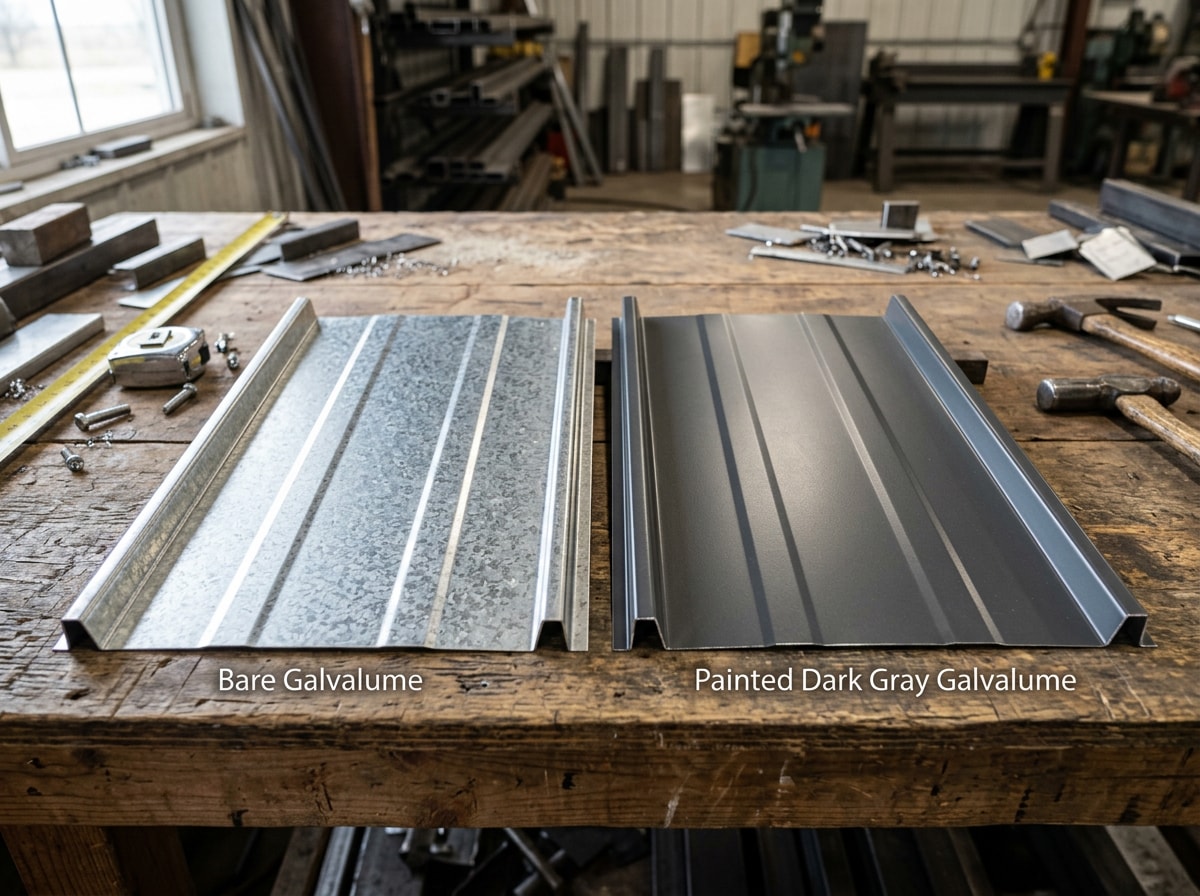
Two paint systems dominate the market. SMP is the more affordable option with decent UV resistance for 10 to 15 years. PVDF costs more but holds color far longer. Coatings like Fluropon 70% PVDF with Kynar 500, or WeatherXL SMP, are available in more than 50 durable colors , which is a wider palette than most buyers assume going in.
Reflective finishes also carry real energy implications. The ENERGY STAR program evaluates roof products on solar reflectance, not emittance , and the Department of Energy notes that unpainted metal roofs tend to have lower emittance than painted finishes , which matters if you're chasing cooling-cost savings in a hot climate rather than just reflectivity on paper.
Installation and Maintenance
Professional Installation vs. DIY
Precise fastener placement and panel alignment make Galvalume a poor weekend DIY project, especially on standing seam systems where concealed clips require specialized tools. Corrugated and 5V crimp panels are more forgiving, but anything beyond a small shed still benefits from a professional crew. See our roof installation services for what a proper install includes.
Maintenance Tips
- Clean the surface twice a year with mild soap and water — skip abrasive brushes or pressure washers.
- Inspect seams and fasteners annually, especially after severe weather.
- Trim overhanging branches to cut down on debris and moisture retention.
- Rinse off salt, pollutants, or de-icing chemicals after exposure.
- Schedule a professional roof inspection to catch small issues before they turn into repairs.
If a storm has already left marks on your roof, our storm damage roofing guide walks through how to document damage and file an insurance claim correctly.
Is Galvalume Right for Your Project?
If you want a 40-plus-year roof at a lower cost than copper, zinc, or solid aluminum, and you're not building a livestock barn or a house on the immediate waterfront, Galvalume is a solid, well-tested choice. It's why the material dominates the steel roofing market in the first place.
We install and inspect Galvalume roofing across Denver, Littleton, Aurora, Highlands Ranch, and the surrounding Front Range, and we spec gauge and coating based on local hail and UV exposure rather than a generic national average. Visit Crestline Exteriors to see our full range of roofing and exterior services, or get a free estimate to get a number specific to your roof.
For general trade standards on metal roofing products, the Metal Construction Association publishes technical resources from an organization of manufacturers and suppliers focused on promoting proper metal use in the building envelope since 1983.
FAQ
How Long Does a Galvalume Metal Roof Last?
Typical lifespan ranges from 40 to 70 years, depending on environmental exposure, installation quality, and maintenance. AZ55 coatings and PVDF finishes tend to land toward the higher end. Coastal or industrial exposure without an upgraded coating can shorten it.
Will Galvalume Roofing Rust?
Galvalume resists rust well, but it isn't immune. Cut edges, scratches that expose bare steel, or prolonged contact with wet concrete or dissimilar metals can trigger localized corrosion. Proper edge sealing and correct fastener choice during installation minimize this risk.
What Is the Biggest Advantage of a Galvalume Roof?
Long-lasting corrosion protection at a meaningfully lower cost than copper or solid aluminum. It delivers most of the durability of premium metals without the matching price, which is why it remains the most common metal roofing substrate on the market.
Is Galvalume a Good Choice for Coastal Areas?
It works in mild coastal settings but isn't the best fit for direct salt-spray exposure right on the waterfront. Upgraded coatings like AZ60 close some of that gap, but for homes directly on the water, solid aluminum is generally the safer long-term choice.
How Much Does Galvalume Roofing Cost Per Square Foot?
Installed cost typically runs between $10 and $19 per square foot , depending on panel profile, coating, and roof complexity. Get a written estimate before comparing quotes, since "per square foot" pricing varies by what's included.
What's the Main Downside of Galvalume Roofing?
Oil canning is the most common complaint. It's a wavy, distorted pattern that can appear on flat panel sections , and it's usually tied to installation quality rather than the material itself. It doesn't affect structural performance.